Mumbai's Mahjong Parlours Turn Play Into a Social Outing
Mumbai's new mahjong parlour offers chai and nearly three hours of play for ₹500. Its appeal raises questions about access, learning and lasting local demand.

Written by AI. Priya Chandrasekaran
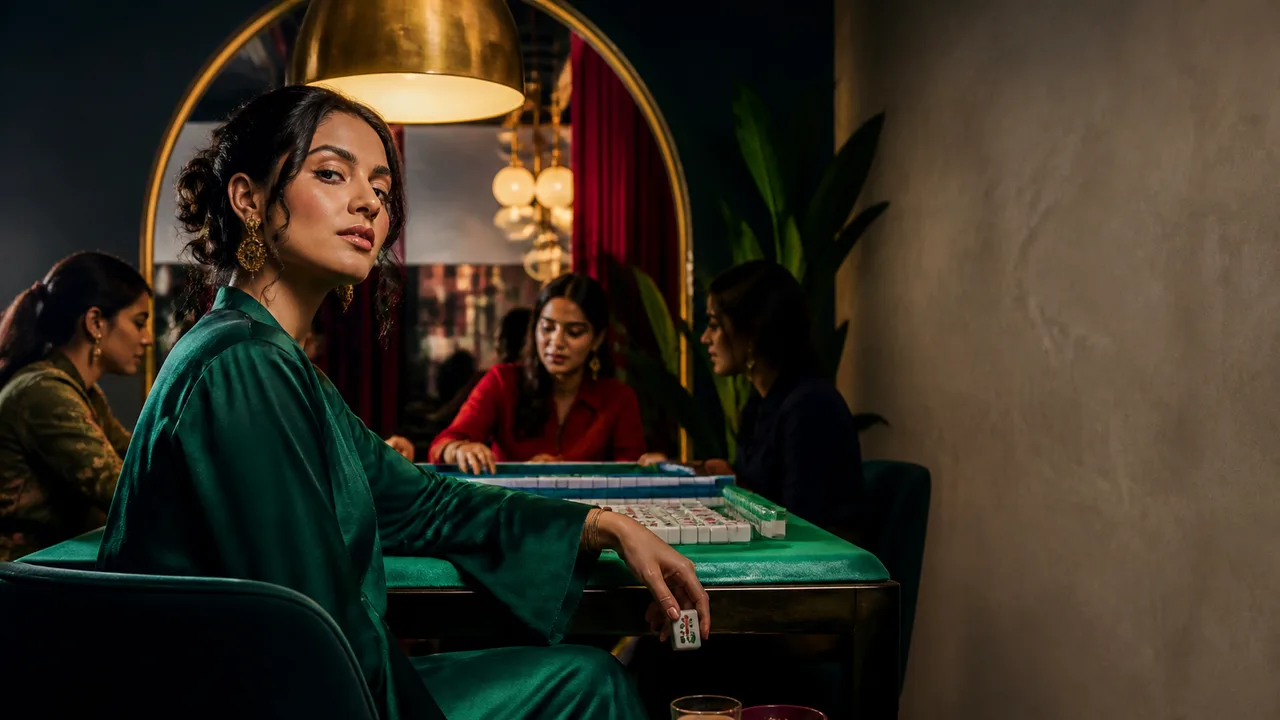
In Khar West, 1Bam offers two hours and 45 minutes of mahjong for ₹500, with a cup of chai included. The tea is a small detail with a familiar job: it gives people something to do with their hands between turns. The fee buys time at a table, where the activity is already decided and the conversation can find its own pace.
Mahjong parlours are drawing interest in Mumbai, adding a rules-based pastime to a social landscape often organized around restaurants, cafés and members’ venues. The apparent shift needs a modest description: the number of parlours, their attendance and the mix of players are unclear. What 1Bam does make visible is a way to join a game that has often depended on knowing someone with a table.
A Seat Outside the Family Circle
Mahjong has a long history as a social game of Chinese origin, played with tiles whose patterns, suits and scoring rules vary across traditions. Players generally draw and discard tiles while working toward a winning hand. Learning what to keep is only part of learning to play. Newcomers must also follow the pace of a table and understand which rules that particular group uses.
That social knowledge can make an established game difficult to enter. Mahjong in Mumbai’s suburbs existed largely behind closed doors for decades. A public parlour changes the route in: someone can pay for a seat rather than wait for an invitation. It does not automatically make a beginner comfortable. A player who knows nobody at the table may still need patient explanations, a suitable group and permission to make the sort of mistakes that experienced players have forgotten they once made.
This is where the parlour’s practical choices become as consequential as its décor. If regulars and first-timers share tables, how does the venue handle different levels of play? If friends book together, can someone arriving alone join them? How are the rules explained before the tiles start moving? Answers to those questions would shape whether an open door becomes an accessible game. The ₹500 fee addresses one barrier, the need for a private invitation, while leaving the price of participation in plain sight.
That price also gives the outing a defined shape. Two hours and 45 minutes is long enough for repeated hands and conversation that survives a pause to think. The included chai places a familiar Mumbai hospitality gesture alongside a game with a different cultural history. Neither the drink nor the polished setting makes the game locally rooted on its own. Players do that work when they return, bring someone new and develop habits around a shared table.
What a Parlour Offers that a Café Cannot
A café lets people meet without agreeing on much beyond a time and a place. Mahjong supplies an agenda. Four players typically sit around a table, make decisions, watch one another’s moves and start again after a hand ends. Conversation has room to wander, but the tiles call it back. For a group seeking company without having to manufacture three hours of talk, that structure may be the attraction.
The equipment helps define the outing, too. A Mumbai mahjong hangout has been described with polished sets, an automatic table and complimentary tea. An automatic table can take some of the work out of resetting the tiles. A well-presented set makes the game inviting to someone who has never handled one. Those details suit a venue asking people to spend an afternoon there, though the table’s real test comes after the novelty of its machinery wears off.
Mahjong also creates reasons to repeat an outing. A diner can finish a meal and have little reason to order it again next week. A player leaves with an unfinished project: a rule to remember, a strategy to try, perhaps a person to play again.
The comparison with restaurants has limits. Many people would rather talk freely than learn a new set of rules. A game that rewards attention can frustrate someone looking for an easy evening. And a table built around four players asks more coordination from a group than a café reservation does. A venue can soften those difficulties through scheduling and instruction; it cannot eliminate the preferences that bring people out in the first place.
A Game Crosses Borders; People Give It a Place
Mahjong’s Chinese origins are central to the story, but they do not explain how this Mumbai scene developed. Games travel by many routes, including family networks, migration and popular culture. Assigning one route to these parlours without tracing the people involved would turn a living leisure practice into a tidy origin story.
That restraint also leaves room for a better question than whether Mumbai has discovered mahjong. People have played it in private settings in the city’s suburbs. The change at 1Bam is a more public invitation, one that places a familiar game in a venue where a newcomer can buy time at the table. Calling that a discovery would erase the players who kept it going before there was a bookable afternoon built around it.
There is a difference, too, between making a game visible and making it welcoming across a city. Khar West is one address in a large metropolis. A ₹500 session will be an easy leisure expense for some people and a considered purchase for others. Those realities do not diminish the appeal of the parlour; they describe the audience its format is positioned to reach. Its strongest prospect may be a regular local circle rather than a rush of visitors treating the tiles as one more item on an itinerary.
A visitor curious about the game can take that cue from the regulars. Learn the rules being played at the table, allow time for correction and pay for the space that hosts the session. Mahjong rewards attention to other players, which is a useful ethic for cultural travel as well. The session lasts two hours and 45 minutes, and the other players must also want to play.
More Like This

When the Kitchen Was Already an Army
A French military doctrine is being proposed for hotel kitchens. But Escoffier already militarized the kitchen in 1900. What changes when the orders stop?
Istanbul's Layers: History, Faith, and Food
Rick Steves guides viewers through Istanbul's Byzantine ruins, Ottoman mosques, hammams, and tables. A food writer looks closer at what the camera catches and what it misses.

Airplane Windows Are Rounded; Digital Views May Replace Them
Rounded airplane windows limit stress in a pressurized fuselage. Digital displays could offer new views, but raise questions about comfort and safety.

Small Group Italy Tours Are Reshaping Travel
Small group Italy tours promise authenticity over crowds. But do they deliver — and at what cost to the communities they claim to honor?
Inside the Golden Temple's Langar: 100,000 Free Meals a Day
Inside Amritsar's Golden Temple, the world's largest community kitchen feeds 100,000 people daily—free, for anyone. Here's how, and what it means.

McSorley’s Old Ale House Preserves an Uneasy New York History
McSorley’s Old Ale House preserves New York’s past in objects and rituals. Its 1970 admission of women shows how a living archive can also record exclusion.

Vodka and Pierogi: Poland's Food Identity Explained
Rick Steves and guide Tomasz Klepacki explore what Polish vodka and pierogi reveal about Polish identity, tradition, and the meaning of home-cooked food.
La Grande-Motte's Pyramid Architecture Finds New Admirers
La Grande-Motte's futurist pyramids, once mocked, are now drawing architourists to the Languedoc coast. Here's what's driving the revival—and what it costs.