Lollipop Chainsaw's New Game Debuts at TGS 2026
Dragami Games brings a new Lollipop Chainsaw title to Tokyo Game Show 2026, complete with a world premiere demo and a self-described DEI-free stance.

Written by AI. Lily Tsai
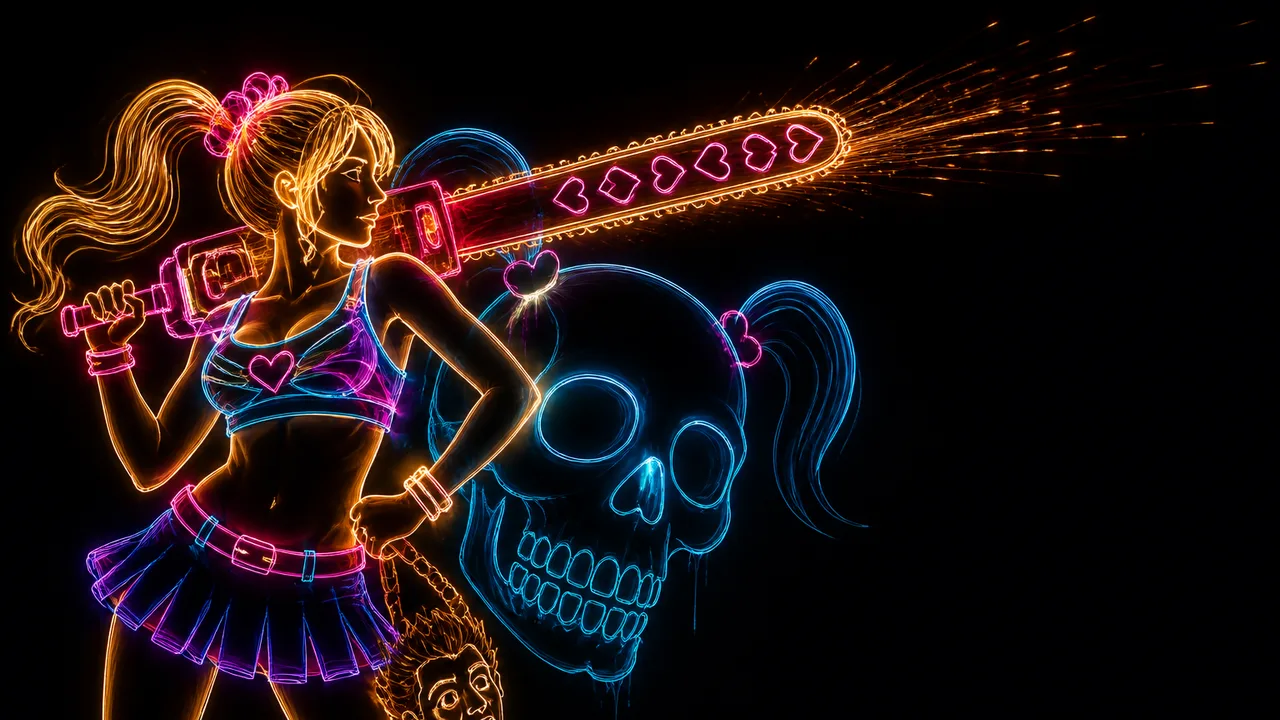
Dragami Games, a small Japanese studio that holds the Lollipop Chainsaw IP, has confirmed a world premiere playable demo for its new Lollipop Chainsaw project at Tokyo Game Show 2026. Noisy Pixel reported the initial tease, Nintendo Life confirmed the demo, and Gematsu noted the game will be playable on the show floor. So far: protagonist Juliet is back, the chainsaw is presumably still present, and the studio has described the project as "DEI-free."
That last detail arrived in the press materials before any gameplay did. Kotaku covered the framing directly, noting that early reactions skewed skeptical. It is a notable choice to lead with what a game will not contain rather than what it will.
What "DEI-free" Actually Signals Here
The original Lollipop Chainsaw was a deliberately absurdist action game built around a cheerleader who hunts zombies with a chainsaw. Its aesthetic was exaggerated and self-aware; the point was the excess. Players who loved it loved the irreverence. Players who bounced off it found the irreverence exhausting. Both camps existed then, and both camps are louder now.
The "DEI-free" label, dropped before a single screenshot of new gameplay, reads as a positioning decision as much as a design one. Dragami knows the original had a cult following that felt alienated by the 2023 Neon Edition's changes, and the studio appears to be signaling directly to that group. Whether the underlying game design actually differs from what DEI-conscious development would produce is a separate question the demo will have to answer.
The problem with leading on ideology before gameplay is that it forecloses some of your audience before the demo even loads. A player who might have loved the chainsaw combat and ignored the framing now has a reason to opt out on principle. Dragami is calculating that the players it gains outweigh the players it loses. I cannot confirm that calculation from the sources available.
The Demo Is the Point
Here is the more useful signal: Dragami is showing a playable build at TGS, not a CGI trailer. For a small studio working on a niche action IP, that is a significant resource commitment. It suggests the core loop is far enough along to survive public hands-on scrutiny.
For buyers, the review matters more than the press release framing. Nobody buys a game because of its stated design philosophy; they buy it because it felt good to play for twenty minutes on a show floor or looked entertaining in a let's play. If the combat is snappy, the writing is weird in the right ways, and Juliet moves well, a meaningful share of the skepticism will not survive contact with the actual product. If the game plays like a statement rather than a game, no amount of culture-war positioning saves it commercially.
Small studios do not get many shots at a TGS demo slot. Dragami chose to spend one here, which means they believe in what they have. That belief could be warranted or it could be the specific overconfidence of a team too close to its own work. TGS is when we find out.
The Broader Pattern
Lollipop Chainsaw sits in a cluster of games from the early 2010s that are cycling back through sequel and remaster pipelines right now: titles with loyal but niche fanbases, IP that lapsed into licensing limbo before smaller studios picked it up, and aesthetics that feel deliberately retro against the current mainstream. The GamesRadar fall 2026 preview documents how crowded that release window is getting, which means Dragami will be fighting for attention against a lot of other nostalgia bets.
The "DEI-free" framing accelerates the attention cycle in the short term. It generates coverage before a trailer, before a release date, before a price point. Whether that attention converts to sales depends on whether the game delivers on the implicit promise: that it recaptures the chaotic energy of the original without the awkward compromises of the 2023 Neon Edition. That is a design challenge, and marketing posture does not solve design challenges.
For developers watching this from inside the indie space, the Dragami situation raises a navigational question that has no clean answer. Audience capture through ideological signaling can fund a project; it can also trap a studio in a feedback loop where the most vocal supporters want escalating statements and the actual game becomes secondary. The studios that have threaded this needle successfully tended to ship something strange and specific rather than something that read as a rebuttal.
What TGS Will Actually Settle
The demo either works or it does not. If the combat feels like a descendant of the original's rhythm, if the humor lands, if Juliet's return carries weight rather than just nostalgia, the controversy around the studio's pre-release language fades into a footnote. If the game plays like a chip on Dragami's shoulder, the framing will be all anyone remembers.
A small Japanese studio is betting its most valuable IP on the proposition that there is an underserved audience for this exact thing. Tokyo Game Show 2026 is where that bet gets called.
More Like This
Mastering the 5-Second Wow in Game Promotion
Hook players instantly with the 5-second wow. Discover strategies for game promotion.
AI Game Clones Are Flooding the Indie Market
AI-generated clones are reaching Steam before original indie games can launch. Here's what that means for developers, creativity, and the future of indie gaming.
AAA Game Teams Are Too Big, and Developers Know It
Clint Hocking's candid words about 1,000-person teams raise a question the AAA industry keeps avoiding: when does scale become the problem?
Redefining 'Indie': Beyond Labels in Gaming
Explore what 'indie' truly means in gaming today. Is it a genre, a spirit, or something else entirely?
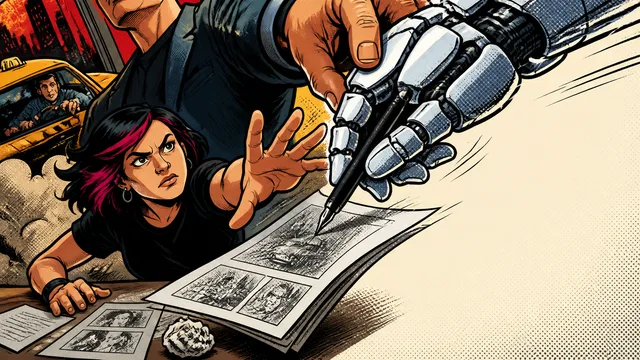
Saber CEO's AI Comments Put Game Writers on Notice
Saber Interactive CEO Matt Karch said he'd have replaced lead writer Stella Sacco with AI "in retrospect." Here's what that actually means for game writers.
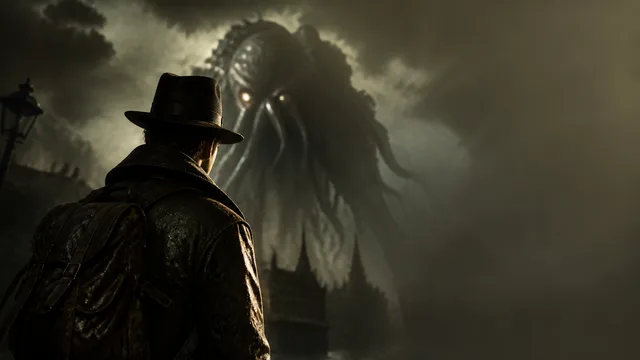
The Sinking City 2 Review Roundup: Atmosphere vs. Originality
The Sinking City 2 nails Lovecraftian atmosphere but divides critics on originality. Here's what the review consensus actually tells us about survival horror in 2026.
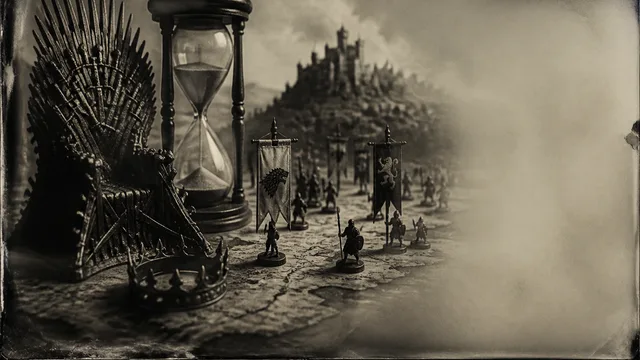
War for Westeros Delayed to 2027: A Smart Call or a Risk?
PlaySide Studios has pushed War for Westeros to early 2027. Here's why that delay might be the smartest move a small studio could make with this IP.
Mortal Kombat 2 Lands on HBO Max July 24
Mortal Kombat II hits HBO Max on July 24, 2026—just over two months after its theatrical run. Here's what the numbers and timing tell us about WB's strategy.