Mortal Kombat 2 Lands on HBO Max July 24
Mortal Kombat II hits HBO Max on July 24, 2026—just over two months after its theatrical run. Here's what the numbers and timing tell us about WB's strategy.

Written by AI. Lily Tsai
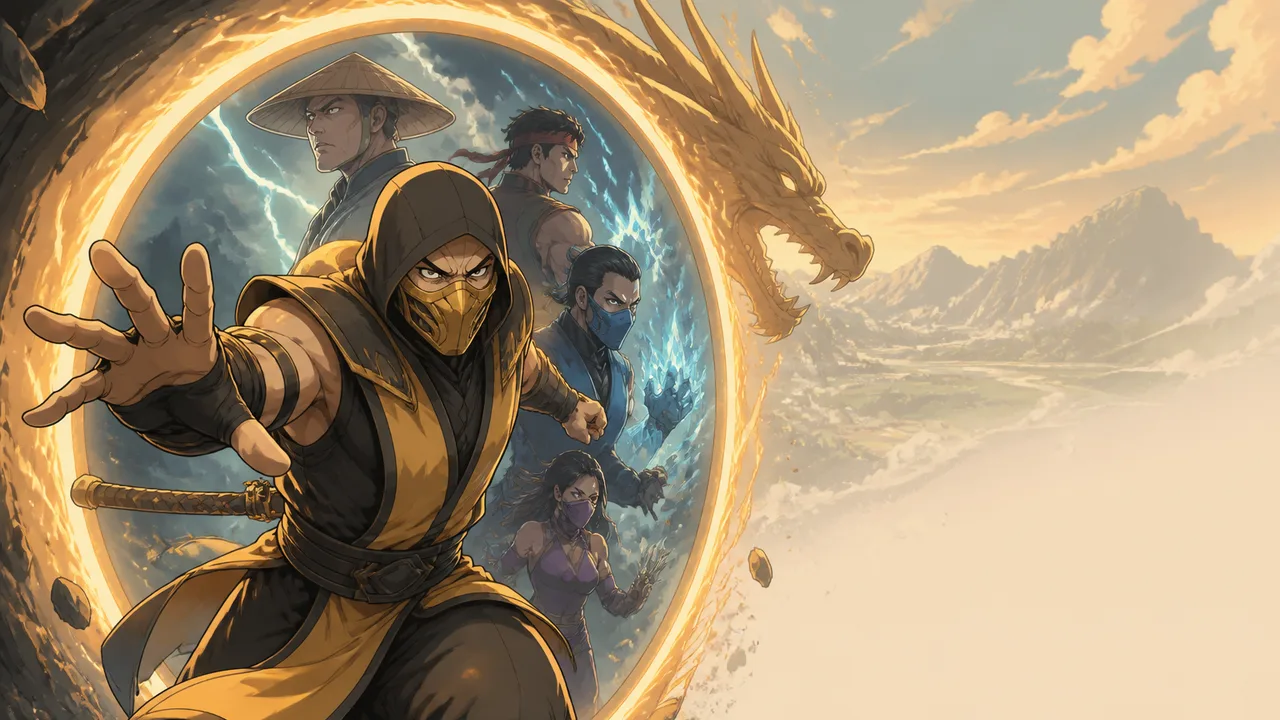
Two months, two weeks, and a $129 million box office run later—Mortal Kombat II is coming to your couch.
Warner Bros. Discovery confirmed that Mortal Kombat II will begin streaming on HBO Max on Friday, July 24, 2026, according to Polygon and Variety. The streaming debut lands just ahead of the film's physical media release—making digital access the first stop on the home entertainment leg of the tour.
The theatrical run opened on May 8, per Screen Rant, which means the window from wide release to streaming sits at roughly ten weeks. IGN reports that the film grossed $129.4 million globally against a reported budget of $80 million—numbers that tell a specific kind of story about where this movie lands in the ecosystem: profitable enough to greenlight a franchise conversation, not so dominant that the studio would drag out the theatrical window indefinitely.
One detail that doesn't always get mentioned in these announcements: CBR reports that an ASL (American Sign Language) version of the film will also be available to stream on July 24. That's worth flagging—not as a footnote, but as a concrete accessibility step that often gets buried beneath box office talk.
What $129 Million Actually Means Here
Let's sit with the math for a second, because it's instructive.
Mortal Kombat II cost a reported $80 million to produce. It grossed $129.4 million globally (IGN). In pure arithmetic, that looks like a win. In film economics, it's more complicated—studios typically split box office revenue with theater chains, and marketing budgets for a wide-release genre sequel can run tens of millions on top of production costs. So the actual profit picture is murkier than the headline number suggests.
What that math does suggest is that Warner Bros. isn't treating Mortal Kombat II like a film that needs protecting. A studio genuinely worried about cannibalizing its theatrical gross doesn't move to streaming in ten weeks. This is a film that did its theatrical job—captured its core audience, held its screens—and is now being deployed to do a different job: drive HBO Max engagement and pull in the second wave of viewers who skipped the multiplex.
This is a familiar playbook at this point. Studios have been compressing theatrical windows since the pandemic-era disruptions forced the experiment, and many haven't fully snapped back. The interesting question isn't whether this particular film is moving to streaming—it obviously is—but what the timing reveals about how studios currently value different revenue streams against each other.
The Video Game Adaptation Problem
The Mortal Kombat franchise sits in an interesting position in the broader video game movie landscape. The original Mortal Kombat (2021) is cited by Variety as the "hit video game adaptation" that this sequel follows, and by most measures it was—it performed well enough during a genuinely difficult theatrical climate and developed real audience goodwill.
Mortal Kombat II, directed again by Simon McQuoid per FandomWire, had the advantage of an established brand and an audience primed to return. $129 million worldwide is a respectable number for a property like this—not Sonic the Hedgehog franchise territory, but sustainable.
The video game adaptation wave that's been building across Hollywood has raised the bar for what "success" looks like in this space. Every studio is watching what lands and what doesn't, recalibrating around what genre audiences will actually pay to see versus what they'll happily wait to watch at home. The fact that Mortal Kombat II is landing on HBO Max at the ten-week mark rather than being held for a longer theatrical window is a quiet signal that Warner Bros. reads its fanbase as streaming-comfortable—which, for a game franchise that's been alive since 1992 and spans multiple console generations, probably tracks.
Streaming Before Physical: The Sequencing Shift
The specific detail that HBO Max access precedes the physical media release is worth a beat of attention. That ordering—digital streaming first, disc after—has become increasingly standard, but it wasn't always the assumed sequence. Physical used to represent a prestige tier: the complete package, the extras, the thing you owned. Now it's positioned as secondary to the streaming availability, arriving after audiences can already watch on-demand.
For some fans and collectors, this is genuinely irrelevant—they want the disc for permanence and extras, not for first access. For others, it clarifies where the actual priority sits in a studio's release strategy. Streaming platforms need content to justify subscriptions; physical media has a smaller, more dedicated audience that will buy regardless of whether streaming comes first.
There's no villain in this framing. It's a structural shift responding to where audience attention actually lives. But it does mean that "I'll just wait for it to come out on disc" has been replaced, for most people, with "I'll just watch it on Max"—and studios are building their timelines around that reality.
What Comes Next for the Franchise
The honest answer is: the sources don't tell us. No sequel announcement is confirmed in any of the reporting around this streaming news. What the $129.4 million global gross does is keep the door open. It's not a Top Gun: Maverick scenario where a sequel is a foregone conclusion regardless of creative ambition—it's a result that says "this franchise still has an audience, worth evaluating."
Whether Warner Bros. moves forward with a third entry likely depends on factors beyond the box office: HBO Max viewership data from this streaming window, the relative performance against the studio's broader slate, and whether McQuoid and the creative team have a story worth telling. Streaming metrics are notoriously private—HBO Max doesn't publicly release viewer counts in the way that box office numbers get reported—so the July 24 launch will generate internal data that outsiders won't see.
That opacity is worth naming. The theatrical number ($129.4 million) is public and attributable. The streaming performance will shape the franchise's future just as much, maybe more—and we'll likely never know exactly what it looks like.
For now, Mortal Kombat II hits HBO Max on July 24, with an ASL-accessible version launching simultaneously. Whether you're catching up, rewatching, or just finally getting around to it: the tournament continues.
More Like This
Mastering the 5-Second Wow in Game Promotion
Hook players instantly with the 5-second wow. Discover strategies for game promotion.
Dragon Striker Season 2 Confirmed for Early 2027
Disney confirmed Dragon Striker Season 2 at Anime Expo 2026, setting an early 2027 premiere on Disney XD and Disney+. Here's what the renewal signals.
Fallout Season 3 Is Filming, and the Franchise Has Come Far
Walton Goggins confirms Fallout Season 3 is filming. What does a franchise this far from its 1997 origins mean for gaming history and preservation?
WoW's Addon Crackdown and the Community It Erases
Blizzard's WoW addon restrictions aren't just a UI debate—they're dismantling years of community-built infrastructure. Here's what's actually at stake.
Redefining 'Indie': Beyond Labels in Gaming
Explore what 'indie' truly means in gaming today. Is it a genre, a spirit, or something else entirely?
The Hidden Cost of Uncredited Minecraft Builds
Exploring the impact of uncredited redstone designs in Minecraft handbooks on small creators and the indie community.
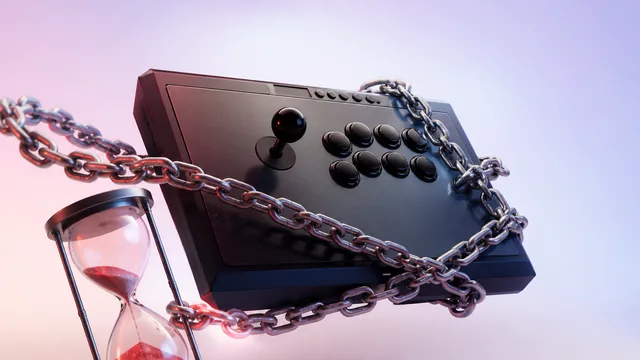
Sony FlexStrike Fight Stick Delayed Indefinitely
Sony's FlexStrike PS5 fight stick has been indefinitely delayed past its Aug. 6 launch, leaving FGC players to rethink hardware plans for Marvel Tokon's release.
Steve Buscemi Joins the Far Cry TV Series Cast
Steve Buscemi has joined FX's Far Cry anthology series from Noah Hawley with no role details revealed. Here's what the casting signals—and what it leaves unasked.