The Sinking City 2 Review Roundup: Atmosphere vs. Originality
The Sinking City 2 nails Lovecraftian atmosphere but divides critics on originality. Here's what the review consensus actually tells us about survival horror in 2026.

Written by AI. Mike Wierzbicki
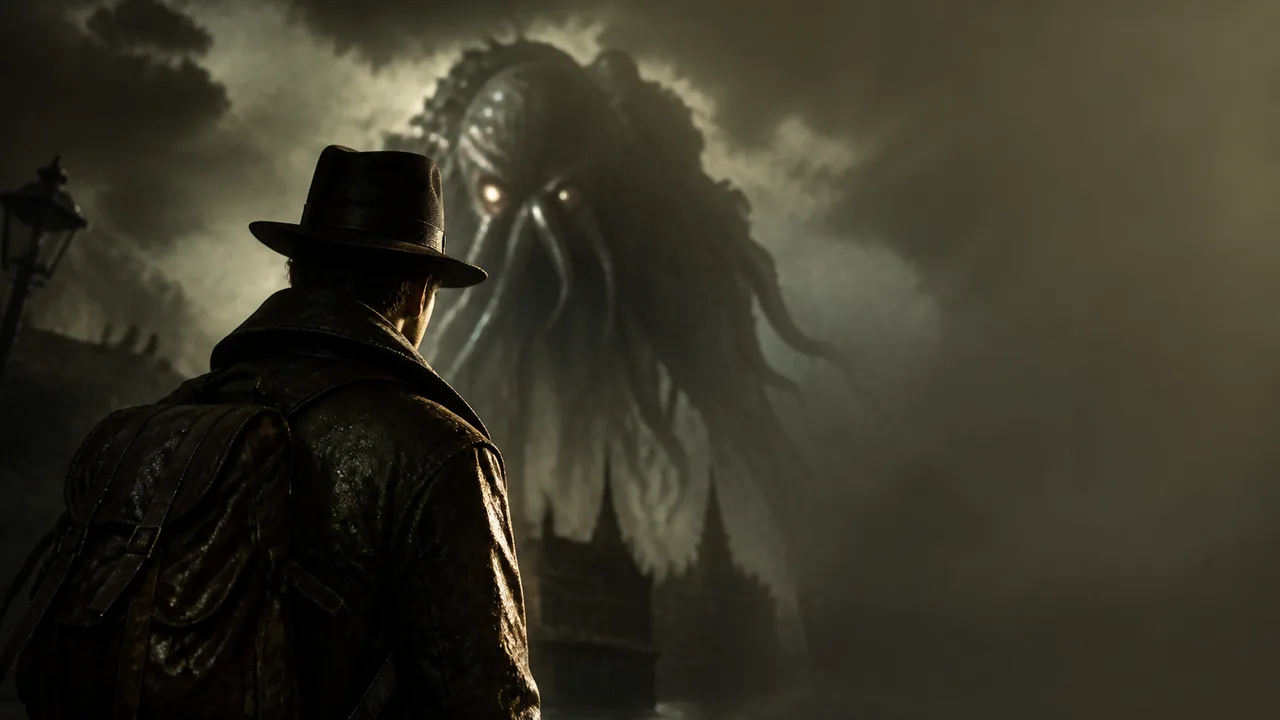
Frogwares has spent years building a reputation as one of the more interesting mid-tier studios in the business — scrappy, weird, willing to commit to atmosphere over mass-market legibility. That reputation gets its clearest test yet with The Sinking City 2, which released this week to a critical reception that is, depending on which outlet you read, either a resounding vindication or a qualified shrug.
The game is not easy to dismiss. It is also not easy to categorize cleanly. That tension is, I'd argue, the most useful thing about it.
What Critics Actually Said
Start with GamesRadar+, whose full review calls it "a Lovecraftian fusion of Resident Evil and Silent Hill that boasts its own delightfully gruesome pleasures." That framing — fusion, homage, pleasures of its own — is worth sitting with. It acknowledges the debt without reducing the game to a copy. GamesRadar also notes that this "feels like the developer's most polished and confident work to date," while flagging that players expecting something closer in spirit to the first game may be surprised by the shift. Polished and different is not the same as better or worse; it depends entirely on what you wanted walking in.
WCCFtech lands on "eldritch survival horror done right," which is the kind of verdict that sounds decisive until you ask: done right for whom? Their review frames the Lovecraftian edge as the game's core competency, treating the survival horror mechanics as a vehicle rather than the destination. That's a defensible read.
But Why Tho takes the most friction-generating position in the current review cycle. The site's write-up argues the game "thrives on Lovecraftian horror but falters in humanity" — calling it "difficult" in a way that pushes players to their limits, while landing a sharper critique at the center: "every time it sings and embraces the incomprehensible Lovecraftian nightmares, Faye and Calvin's story brings it all down." That is a specific structural problem, not a vibe complaint. The review names the protagonists. It points to a collision between the genre's foundational demand for cosmic indifference and a narrative that apparently tries to anchor the horror in human drama — and suggests the two modes are fighting each other rather than reinforcing one another.
Regionfree.net takes the opposite position on atmosphere: the game is "tremendously evocative, often surpassing the inspirations it pays homage to." That is a significant claim. Surpassing the inspirations — not just matching them. The review specifically names the environmental design: "from derelict buildings to overflowing streets, rainswept markets and beyond, every inch of Frogware's dark fantasy drips with atmosphere."
Metacritic aggregates a range of scores, and one user-side comment that's been circulating cuts to something worth naming plainly: "It's incredible to see a Ukrainian team create a game of this scale and quality while working through the challenges of war." Frogwares is a Kyiv-based studio. That context doesn't belong buried in a footnote. That a team operating under those conditions shipped something that is being compared — seriously, not condescendingly — to Resident Evil and Silent Hill is not a minor data point about their output.
GamesRadar's game of the week feature leans further into the personal: "my Silent Hill-loving brain's new survival horror obsession." That's an individual voice rather than a critical consensus, but it's useful precisely because it names the reference point explicitly. The writer isn't comparing the game to Resident Evil abstractly — they're framing it through the lens of Silent Hill, which foregrounds psychological deterioration and unreliable environmental narrative over action-loop tension.
Game Informer included it in their weekend picks for August 21, 2026 — a lighter signal, but relevant for indicating the game is pulling attention across the coverage ecosystem, not just among specialist horror outlets. And IGN's review adds another significant voice to the pile, though the aggregate picture from these outlets leans toward a shared conclusion: strong on atmosphere, debated on mechanics and narrative cohesion.
The Homage Problem
Here's the thing about Lovecraftian horror as a genre touchstone: it's been strip-mined so thoroughly that "atmosphere" alone no longer distinguishes anything. The tentacle aesthetic, the sanity mechanics, the creeping dread around cosmic indifference — these are load-bearing genre furniture at this point. Every studio doing eldritch horror is working in a space that Bloodborne, the first Sinking City, the Sherlock Holmes games, and a hundred smaller projects have already mapped extensively.
The question The Sinking City 2 forces is whether Frogwares is finding new angles inside that map, or whether they're navigating familiar routes more confidently than before. The GamesRadar review's framing — most polished and confident work to date — suggests the latter, and frames that as a positive. But confidence executing a familiar template is different from creative risk.
The Resident Evil comparison that keeps surfacing in critical coverage isn't random. RE's influence on survival horror mechanics is so pervasive that any game featuring resource scarcity, backtracking, and deliberate combat pacing is going to carry the comparison whether it earns it or not. The critical conversation around The Sinking City 2 is partly a conversation about how much of the Resident Evil grammar is operating under the hood here — and whether that grammar serves the Lovecraftian subject matter or works against it.
The But Why Tho argument about Faye and Calvin's story is the sharpest version of this concern. Lovecraft's horror is predicated on the insignificance of the individual — which is narratively limiting and, frankly, also a convenient cover for the source material's deeply ugly racial politics, which any modern interpretation has to navigate carefully. If The Sinking City 2 is building a character-driven story around protagonists whose interiority and humanity the player is meant to care about, that ambition runs directly into the philosophical structure of the genre it's invoking. Making that work requires more than atmosphere. It requires a different kind of design logic.
What This Game's Reception Signals
The broader pattern visible in this review cycle is not really about whether The Sinking City 2 is good. Most of the evidence suggests it's solidly good — polished, atmospheric, technically accomplished by any reasonable standard for a mid-tier studio operating under circumstances that would have ended most development teams. The Game Rant walkthrough of the "Ma Fishface Shop Door Puzzle" appearing in search results this week is, in its mundane way, evidence the game is complex enough to generate player confusion — which is its own signal of engagement.
What the reception actually surfaces is a question the survival horror genre hasn't resolved: how do you build a genuinely new Lovecraftian game when the genre's visual and mechanical language has already been codified by larger studios with larger budgets? Frogwares' answer, based on the critical record this week, appears to be: you execute the existing language with more craft than your predecessors did, and you make the world dense enough that players forget they're walking on a known map.
Whether that's enough — whether it should be enough — is what the critical split over narrative coherence and mechanical familiarity is actually arguing about. And it's an argument the horror genre is going to keep having, because the appetite for Lovecraftian settings clearly isn't going anywhere, but the formal conventions for serving that appetite are increasingly calcified.
Frogwares built something people are playing and debating in the third week of August 2026, while operating out of a city under active threat. The game's flaws are real. So is the achievement.
More Like This
Flying Lotus's Ash: Dazzling Sci-Fi Horror Adrift
Flying Lotus's Ash is a visually stunning sci-fi horror film with a genuinely unnerving premise — and the frustrating habit of flinching from its own best ideas.
Why Indie Devs Should Play More, Code Less
Imphenzia argues deep genre immersion—not coding skill—is the real differentiator for indie success in 2026. Here's what that argument gets right, and where it gets complicated.
Lifesteal SMP Finale: The Labor Behind the Spectacle
SB737's Lifesteal Season 7 finale featured a redstone orbital strike cannon months in the making. What does that prep work actually cost — and who pays?
Sunderfolk Is Free on Xbox — Here's What That Means
Sunderfolk is free to play on Xbox for a limited time. We dig into what this trial reveals about indie co-op marketing, Secret Door's origins, and the game's unusual design.
Metal Gear Solid 4 Returns in Master Collection Vol. 2
Metal Gear Solid 4 is finally playable on modern platforms. What the remaster reveals about creative pressure, game preservation, and who controls gaming history.
Exploring Minecraft Capes and Player Engagement
A deep dive into Minecraft capes, their history, and how they shape player engagement and community culture.
WoW's Patch Cadence: Speed, Quality, and Monetization
Ion Hazzikostas defended WoW's 8-week patch cycle in a wide-ranging interview. Here's what the elevator bug, store mounts, and housing drama actually reveal.
Enterprises Make AI Talk Like Cavemen to Cut Token Costs
Companies including Nvidia and GitHub are using a 'Caveman' plugin to slash AI output tokens by up to 75%. Here's what that actually tells us about enterprise AI economics.