Sunderfolk Is Free on Xbox — Here's What That Means
Sunderfolk is free to play on Xbox for a limited time. We dig into what this trial reveals about indie co-op marketing, Secret Door's origins, and the game's unusual design.

Written by AI. Mike Wierzbicki
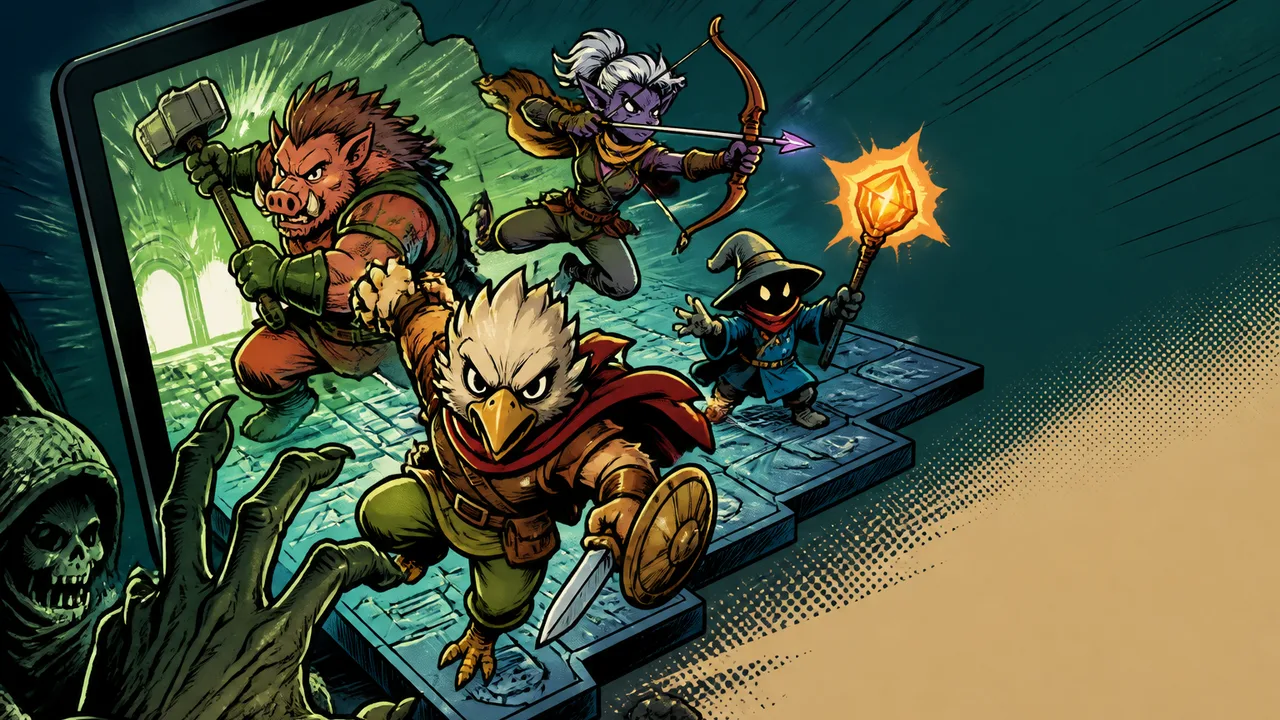
The pitch is simple enough: a co-op tactical RPG where up to four players use their phones as controllers, built by a studio of former Blizzard developers, now free to play on Xbox for a limited time. No subscription required, no catch buried in the fine print — just a window to try something that costs $49.99 at full price, according to ComicBook.com.
That's the news. But the more interesting question is why this is happening now, and what it tells us about how a small studio without a publisher's marketing budget tries to find its audience more than a year after launch.
What Sunderfolk Actually Is
Released in April 2025, Sunderfolk is a fantasy tactical RPG built around couch co-op — or as close to couch co-op as you can get in an era where "couch" is increasingly metaphorical. The core hook, as Xbox Wire described it at launch, is that players use their mobile phones as controllers, meaning a host can share a full four-player session with friends at no additional cost. Friends can even join remotely, with the host streaming the session.
That's genuinely unusual. The mobile-as-controller model sidesteps the "not enough controllers" problem that has killed more than a few couch co-op sessions, and it lowers the barrier to entry in a way that feels intentional rather than gimmicky. The game draws heavily from tabletop RPG design — think Dungeons & Dragons as a structural skeleton — and gives players six character classes to choose from, according to ComicBook.com.
It's available on PC, PS5, Nintendo Switch, and Xbox Series X|S. The cross-platform presence matters: this isn't a platform exclusive looking for a single audience. It's a game trying to plant flags everywhere simultaneously, which is expensive and complicated for a small studio to manage.
The Studio Behind It
Secret Door's founding story is one of the more straightforward examples of the post-Blizzard diaspora in recent memory. Polygon identifies the studio as founded by former Blizzard developers, a description that carries weight in both directions these days.
Blizzard's institutional reputation took significant damage in the years leading up to a string of high-profile departures. California's civil rights agency sued Activision Blizzard over pervasive gender discrimination and a toxic workplace culture, and the state ultimately settled that lawsuit for $54 million, according to The Verge. That settlement didn't close the broader conversation about what working inside Blizzard actually looked like during that era — it just put a dollar figure on part of it.
The developers who founded Secret Door haven't made their specific departures or motivations a public part of the Sunderfolk story, at least not in any source I can point to here. What's publicly legible is the game itself: it has the DNA of something made by people who wanted to build a particular kind of social play experience and had the technical background to execute it. Whether the studio culture reflects a deliberate departure from Blizzard-era practices is a question worth asking, even if the sources available here don't answer it.
The Free Trial as a Discovery Problem Solution
Game Rant frames the Xbox free play event as Xbox "making" the game free, which slightly misrepresents the ecosystem dynamics at play. Limited-time free trials on Xbox are a known promotional mechanism — they don't cost players anything, they create urgency, and they're a measurable way to spike a game's active user numbers and community discussion. For a title like Sunderfolk, which has a genuinely differentiated design but limited mainstream visibility, it's a sensible move.
The discovery problem for mid-tier and independent games is structural. You can build something technically interesting and commercially viable, launch it on five platforms, get decent reviews, and still find yourself in a situation where the majority of your potential audience has simply never heard of you. The games market's attention economy doesn't reward novelty — it rewards familiarity and volume. A game whose primary innovation is mobile-phone controllers and D&D-inspired tactical co-op is exactly the kind of thing that needs someone to shove it in front of players before they'll understand why they want it.
The free trial is that shove.
The r/Sunderfolk subreddit, per a recent thread, reflects genuine enthusiasm from existing players — one commenter noted they accidentally posted in the game's own community when they meant to evangelize to a broader Xbox audience, which is a small but legible indicator that the player base is engaged enough to be recruiting actively. The thread mentions anticipation for new content, which suggests Secret Door is still actively developing the game past its April 2025 launch window.
What the Pricing Pattern Suggests
The pricing history here is worth reading carefully. Full price: $49.99. A Steam discount earlier this year brought it to $20 temporarily, according to ComicBook.com. Now a free-to-play trial window on Xbox.
This is a game using every available lever to reduce purchase friction, and doing so roughly fifteen-plus months after launch. That's not a sign of failure — it's a sign of sustained effort to grow an audience for a game that didn't achieve breakout status at launch but apparently has enough internal momentum (and presumably enough sales) to justify continued investment. Studios don't keep running promotions on games they're about to abandon.
The mobile-controller mechanic also has meaningful implications for the trial's design. Because players only need one person with the actual game, the cost-of-entry for a group is already lower than most co-op titles. A friend-group where one person plays the trial and three others join on their phones is exactly the word-of-mouth scenario Secret Door has been engineering since launch. Free trial weekend on Xbox accelerates that by orders of magnitude — suddenly the host can be any Xbox owner rather than the subset who already bought in.
What It Doesn't Tell Us
What's missing from the public record here is sales data. I can't tell you whether Sunderfolk is commercially sustainable for Secret Door, how many units it has moved across its five platforms, or whether this trial is a sign of healthy growth marketing or a studio pulling the emergency brake on a stalling title. Neither can anyone else citing the sources available — Secret Door is private, the sales figures aren't public, and neither Polygon nor Game Rant is reporting numbers.
The community signals are positive. The design is legitimately interesting. The trial mechanism is well-matched to how the game's social systems work. But "legitimately interesting game gets a free trial" is a description that fits games on both sides of the commercial viability line.
What the Xbox free play window does do, unambiguously, is give a larger population of players a reason to make up their own minds about that question — and give Secret Door one more shot at turning curious Xbox owners into the kind of people who post in strangers' subreddits trying to sell them on a game they love.
Whether that converts at the rate Secret Door needs is something we'll only know if they choose to tell us.
More Like This

Dragon Striker Season 2 Confirmed for Early 2027
Disney confirmed Dragon Striker Season 2 at Anime Expo 2026, setting an early 2027 premiere on Disney XD and Disney+. Here's what the renewal signals.
Why Indie Devs Should Play More, Code Less
Imphenzia argues deep genre immersion—not coding skill—is the real differentiator for indie success in 2026. Here's what that argument gets right, and where it gets complicated.
Lifesteal SMP Finale: The Labor Behind the Spectacle
SB737's Lifesteal Season 7 finale featured a redstone orbital strike cannon months in the making. What does that prep work actually cost — and who pays?
Dragon Quest Monsters: The Withered World Revealed
Square Enix's Dragon Quest Monsters: The Withered World drops December 3. Here's what the new creatures, Synthesis system, and platform bet actually mean.

Double Fine Lays Off 23 After Leaving Xbox Game Studios
Double Fine cut 23 staff just weeks after Xbox divested the studio. What the layoffs reveal about independence, infrastructure costs, and Xbox's shrinking empire.
Exploring Minecraft Capes and Player Engagement
A deep dive into Minecraft capes, their history, and how they shape player engagement and community culture.
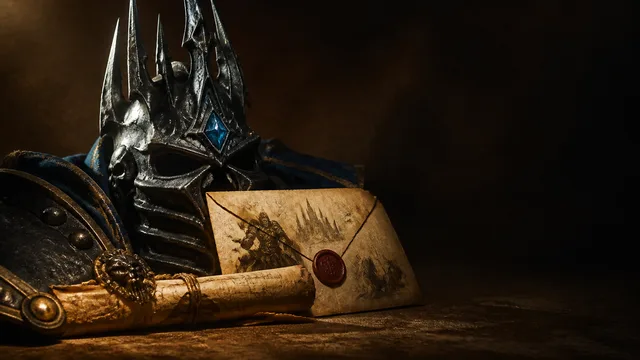
A Warcraft Franchise Leak That Keeps Checking Out
A dismissed Warcraft franchise leak keeps proving itself right. Classic Plus, an Arthas ARPG, animated series — and one data-mined build that changes everything.
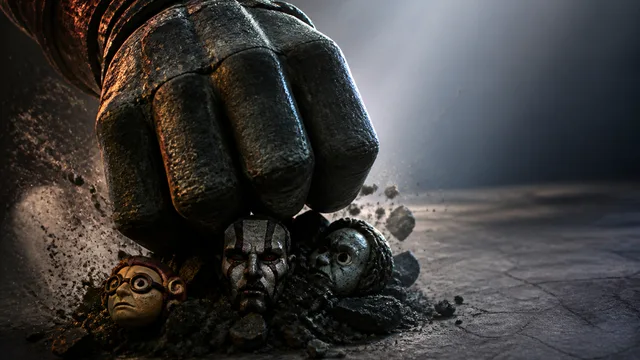
Xbox Is Closing Studios While Promising More Exclusives
Microsoft is moving to shutter Double Fine, Ninja Theory, and Compulsion Games while doubling down on exclusives. The math does not work out.