Double Fine Reclaims IP and Publishing Rights After Xbox Split
Double Fine Productions has confirmed it owns the IP and publishing rights to its full catalog after splitting from Microsoft. Here's what that means for the studio's future.

Written by AI. Lily Tsai
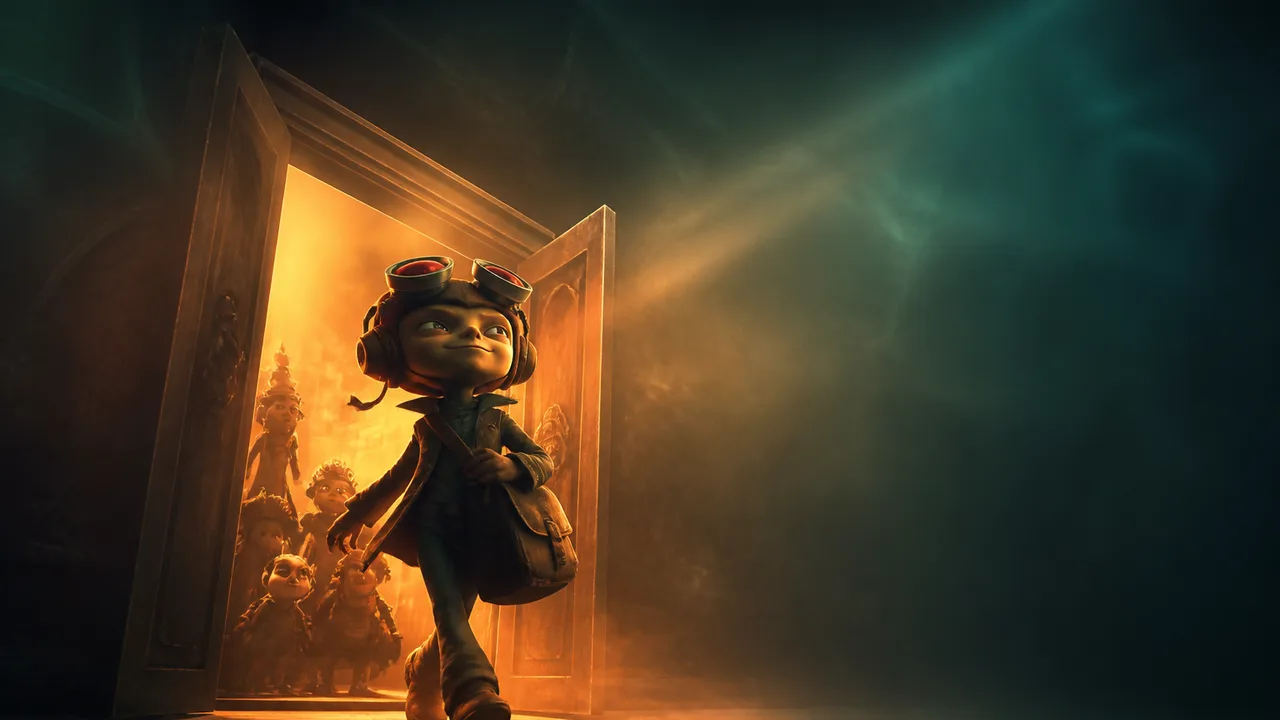
There's a version of this story that writes itself as a triumphant comeback arc—scrappy studio breaks free from corporate overlord, reclaims its creative soul, rides into the sunset. Double Fine's situation is more complicated and more interesting than that.
Double Fine Productions has confirmed it has fully regained the IP and publishing rights to everything it made under Microsoft following its split from Xbox, according to IGN. That confirmation came from CEO Tim Schafer on the Kinda Funny Games Daily podcast, where he made clear this isn't a partial arrangement or a licensing deal—the rights have come back entirely. As Kotaku reported, Schafer confirmed he "officially owns all its own IP and the publishing rights to all its games again." The studio's catalog—everything from the beloved Psychonauts franchise to its full Microsoft-era output—is now squarely back in Double Fine's hands.
For a studio that built its reputation on doing things its own weird way, regaining that kind of control isn't just symbolic. It changes the actual math.
What Rights Ownership Actually Means Here
The clearest immediate effect is financial. PC Gamer notes that Double Fine now earns all the revenue from game sales it made under Xbox—something that wasn't necessarily true when Microsoft held the publishing rights. Which is why the studio's current messaging to fans has a very direct ask embedded in it: "Buying any of our games helps support the studio." That's not just feel-good community engagement. That's a studio telling you where its operating capital comes from right now, without a platform parent absorbing overhead.
Eurogamer confirmed the same picture: Double Fine owns the IP and publishing rights to all its games made under Xbox following the Microsoft split. The breadth of that is notable. This isn't a deal where one or two flagship titles got carved out—the whole catalog transferred back.
The practical implications stack up quickly. With publishing rights comes the ability to put games wherever you want. Pricing authority. Port decisions. Storefronts. If Double Fine wants to put something on PlayStation, or launch a sale on its own terms, or bundle titles for a Kickstarter campaign, it can do all of that without a rights negotiation. Polygon reports that Kickstarter is already on the table as part of Double Fine's post-Xbox comeback plan—which makes sense specifically because the studio now controls the IP those campaigns would be built around.
The Layoffs Are the Context the Celebration Risks Skipping
Before anyone gets too comfortable with the independence narrative, it's worth pausing on how Double Fine got here. The studio's separation from Xbox came in the context of Microsoft's sweeping cuts across its gaming division—layoffs that hit Double Fine alongside studios like Tango Gameworks, Arkane Austin, and others. Independence arrived as a consequence of a larger collapse, not as a negotiated outcome the team orchestrated on its own terms.
That texture matters. A studio that fights its way out of a bad deal and a studio that gets cut loose by a restructuring parent company are not the same situation, even if they end up in the same place legally. The rights restoration looks like a clean break, but the journey wasn't a clean one.
Aftermath raises something the celebratory coverage has mostly set aside: the union question. The piece notes that while Double Fine has regained its IP, the future of its union is uncertain. That's a real gap in the independence story. Structural autonomy at the studio level doesn't automatically translate to worker power at the team level. The two things run on separate tracks, and right now, only one of them has a confirmed resolution.
The Announcement Nobody's Talking About Yet
VGTimes reports that Double Fine is "prepping a secret announcement"—something the studio hasn't elaborated on publicly beyond what Schafer gestured at in the Kinda Funny conversation. Push Square flagged that the studio had signaled it would be revealing future plans, which tracks.
What that announcement could be is genuinely open. The restored IP catalog makes Psychonauts 3 a possibility in a way it wasn't when Microsoft held the keys—though Schafer hasn't confirmed anything in that direction. A new original IP is equally plausible for a studio that has never been short on weird ideas. Given the Kickstarter mention in Polygon's reporting, a crowdfunded project with pre-existing catalog titles as backer rewards would be a tactically sensible first move: monetize the back catalog while generating development capital for whatever comes next.
The honest answer is that nobody outside the studio knows, and speculating in too much detail risks getting ahead of what the sources actually support.
What This Looks Like From the Outside
Studios regaining creative control is not a new story—it's a recurring one, with outcomes that range from reinvention to struggle. The mechanics differ each time. Some studios exit corporate structures with a funded project already in motion; others exit with strong IP but a genuine fundraising problem. Where Double Fine lands on that spectrum isn't fully visible yet.
What is visible: the studio has an engaged audience that's been with it since the Psychonauts days, it now controls the catalog those fans care about, and it's already telegraphing that fan purchases matter. That's a functional foundation. It's also a lot of pressure to put on a community at a moment when the studio's financial picture isn't fully public.
The indie sector has gotten pretty good at reading these situations. When a studio says "buying our games helps support us," the community generally understands what that means and often responds. Whether that's enough to fund whatever Double Fine is building next—and to do it without the crunch and chaos that often accompanies resource-constrained production—is the part of this story that hasn't been written yet.
Tim Schafer spent years building something weird and valuable inside a giant corporation. He's now been handed it back. The question isn't whether Double Fine deserved the autonomy. The question is what the studio does with it, and whether the workers who build the next chapter have the structural protections to do that work sustainably.
That's the story the secret announcement will start to answer.
More Like This
WoW's Addon Crackdown and the Community It Erases
Blizzard's WoW addon restrictions aren't just a UI debate—they're dismantling years of community-built infrastructure. Here's what's actually at stake.
Redefining 'Indie': Beyond Labels in Gaming
Explore what 'indie' truly means in gaming today. Is it a genre, a spirit, or something else entirely?
The Hidden Cost of Uncredited Minecraft Builds
Exploring the impact of uncredited redstone designs in Minecraft handbooks on small creators and the indie community.
Xbox Workers Push Back as 1,600 More Jobs Loom
Xbox workers are organizing across six studio locations as 1,600 more jobs hang in the balance. Here's what the unions are demanding—and what it means for gaming.
Double Fine Lays Off 23 After Leaving Xbox Game Studios
Double Fine cut 23 staff just weeks after Xbox divested the studio. What the layoffs reveal about independence, infrastructure costs, and Xbox's shrinking empire.
Netflix Closes Night School Studio and Moonloot Games
Netflix is shutting down Oxenfree developer Night School Studio and Helsinki-based Moonloot, continuing a retreat from in-house game development that raises hard questions about what comes next.
Ghost in the Shell Returns with Science SARU at the Helm
Science SARU's Ghost in the Shell reboot debuted at Anime Expo 2026. Here's what the studio is risking—and what it might be building—with anime's most philosophical IP.
PlayStation Killing Discs Will Reshape Game Pricing
Sony ends disc production in 2028. Analysts warn of higher prices and less consumer choice — with indie devs among the most exposed to platform control.