Civilization 7's Road to 2027 Runs Through Science Fiction
Civilization 7 gets an Arc of Tomorrow update and the Earthrise expansion as stepping stones toward a science-fiction future in 2027. What the plan asks of Firaxis.

Written by AI. Sarah O'Brien
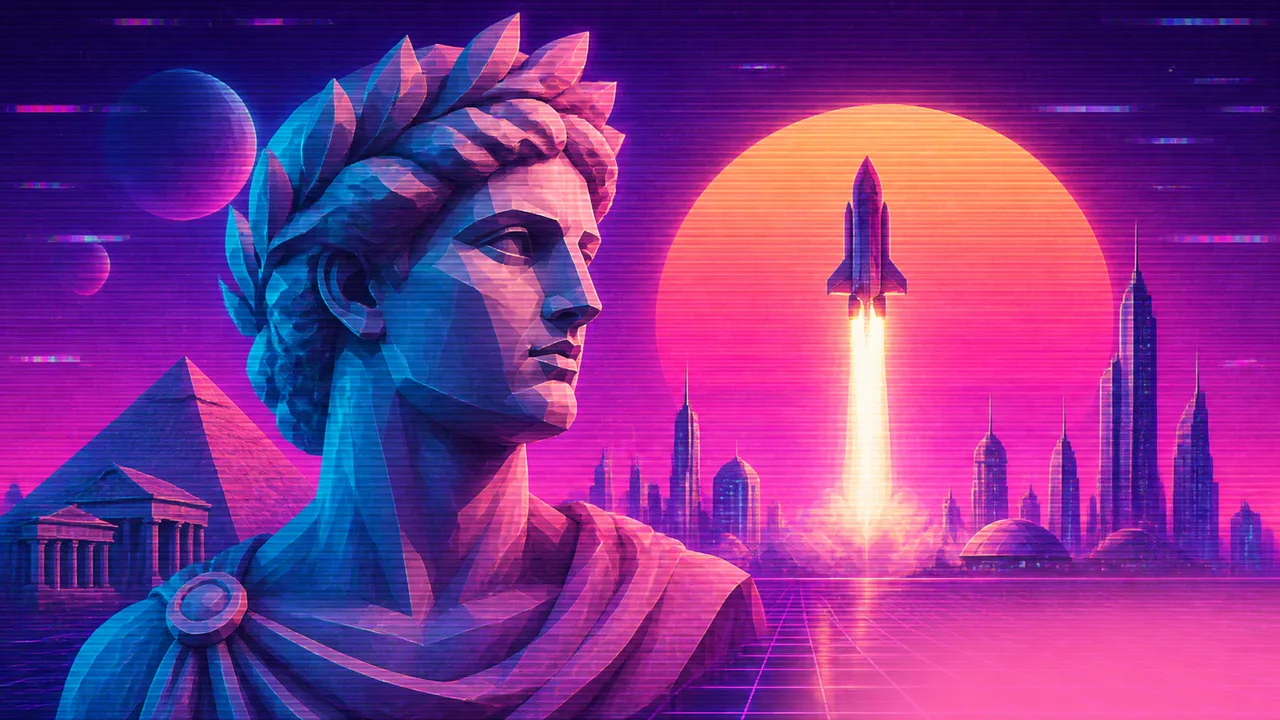
Firaxis has laid out a roadmap for Sid Meier's Civilization VII that ends, in 2027, in science fiction. According to Polygon, the plan runs through interim version 1.5 and a major update called Arc of Tomorrow, both positioned as steps toward a larger future-facing expansion. The first paid expansion is titled Earthrise, as Nintendo Everything and Gematsu both report.
The series has been here before, in a sense. Civilization's most beloved departure from history was never an expansion at all; it was a standalone game built by a different team inside the same studio.
The Alpha Centauri Precedent
Sid Meier's Alpha Centauri shipped in 1999. It took the endgame of Civilization II, the spaceship launch, and made it the starting premise: humanity's factions splintered on arrival at a new world, each carrying a distinct ideology that shaped its tech tree, its terrain manipulation, and its diplomacy. Brian Reynolds's design remains the series' most coherent argument that science fiction suits Civilization's systems better than its surface suggests. The durable cult following the game retains, more than a quarter century on, exists because those systems held together as a whole, not because the setting was a coat of paint.
That is the standard Earthrise and the 2027 release will be measured against, whether Firaxis invites the comparison or not. Alpha Centauri succeeded because its fiction and its mechanics were the same thing. Planet's ecology was a resource system, an opponent, and a moral question at once. If Civilization 7's future content simply swaps lab coats for business suits in the tech tree, players will notice the seams.
What the Roadmap Actually Says
The published details are thinner than the framing. The sources confirm the sequence: version 1.5, then Arc of Tomorrow as a major free update, then Earthrise as the first paid expansion, with a larger science-fiction phase planned for 2027. Beyond titles and positioning, neither Polygon nor the other outlets describe new victory conditions, new political systems, or mechanical specifics. The record is thin, and I would rather say so than fill it with inference.
What the sequence does show is a studio committing to a long post-launch runway. Civilization VI ran for eight years on two expansions, Rise and Fall in 2018 and Gathering Storm in 2019, and Gathering Storm in particular demonstrated the payoff of building systems rather than content: climate change and natural disasters changed how every existing civ played, not just the new ones. If Earthrise follows that model, the 2027 release will inherit a game altered by two years of accumulated systems. If it follows the weaker pattern, thematic DLC layered over unchanged routines, the bridge will show.
The Sequencing Question
Civilization VI's expansion history cuts both ways. Rise and Fall arrived first and added loyalty, eras, and governors; Gathering Storm followed and, by building on that foundation with climate, world congress, and engineering projects, became the version of the game most players actually remember. The lesson for Civilization 7 is that the first step on a roadmap matters less than the second, provided the first one installed the right scaffolding. Arc of Tomorrow's brief as a free major update fits that reading: free updates are where foundational systems usually land, paid expansions are where they get exploited.
The open question is what 1.5 does. The sources position it as interim, which suggests tuning and quality-of-life work after a launch that was, by most accounts, rough. Civilization 7's February 2025 release drew criticism over fragmented civilizations, presentation choices, and pacing across its three ages. A science-fiction phase built on an unstable base would compound those problems at the worst possible moment, because speculative settings expose mechanical weakness faster than historical ones. Players will forgive an awkward simulation of Rome; they are less forgiving of an awkward simulation of the future, a genre with clearer conventions and a more demanding audience.
Why the Historical Framing Was Strained Anyway
Civilization has been flirting with its own future since 1999. Every game in the series ends with spaceship parts and future tech, abstractions that have grown vaguer with each entry rather than more imagined. Alpha Centauri remains the only time the series fully rendered that future, and it did so by leaving the franchise proper to do it. Beyond Earth, the 2014 attempt to bring that spirit into the modern framework, stumbled because it borrowed Alpha Centauri's furniture without its ideological architecture; its Rising Tide expansion in 2015 improved it substantially, and still the game never escaped its predecessor's shadow.
So the 2027 plan is, in one sense, a return to the series' own abandoned thread. The risk is repetition of the Beyond Earth failure: a future sketched in aesthetic terms, with mechanics borrowed from the historical game and renamed. The opportunity, and the reason the long runway is encouraging, is that two years of free updates give Firaxis room to build the future's systems before selling them.
What to Watch
Three things will show whether this roadmap has substance before 2027 arrives. First, whether Arc of Tomorrow introduces systems that persist into the science-fiction phase, the way Gathering Storm's climate systems reshaped games that never touched them. Second, whether Earthrise changes victory conditions or merely adds civilizations and wonders to the existing set. Third, whether version 1.5 addresses the launch-period complaints about pacing, because a three-act historical game has to work before a speculative epilogue can.
Studios earn back trust the way Firaxis did after Beyond Earth: by shipping the free, structural work first and letting players see the foundation before asking for money on top of it. That is the precedent available here, and it is a demanding one.
The other precedent is Alpha Centauri, which was built all at once, by a team given room to design a future from scratch, and which has outlasted most of the games that followed it. The 2027 project will be judged by a simpler test than either roadmap framing or skepticism can settle in advance: whether the future Firaxis builds changes how a Civilization game plays, or only what it looks like.
More Like This
Minecraft's Amazon Mod and the Survival Overhaul Lineage
Eeel's Amazon Rainforest Minecraft map builds real ecological pressure—but also reveals what modding communities have preserved, lost, and reinvented over two decades.
War for Westeros Delayed to 2027: A Smart Call or a Risk?
PlaySide Studios has pushed War for Westeros to early 2027. Here's why that delay might be the smartest move a small studio could make with this IP.

WoW GM Cheating Scandal Puts Blizzard Under Scrutiny
A Blizzard game master allegedly death-touched bosses for friends, tainting WoW's competitive record. What this scandal reveals about a 20-year compact between devs and players.

Minecraft 26.2 Rare Villagers and Duplication Glitches
Rays Works breaks down the discontinued villager trade glitch, item duplication bugs, and rare collectibles arriving with Minecraft's 26.2 update.
Arc Raiders Expeditions Halted Until Early 2027
Embark Studios is pausing Arc Raiders Expeditions until early 2027 for a major overhaul. Here's what the delay means for the game's future and its community.
Do You Need a Game Design Document? A History Weighs In
Imphenzia says a one-page GDD is all you need. The history of game documentation—and what gets lost without it—says the stakes are higher than that.

AI Game Clones Are Flooding the Indie Market
AI-generated clones are reaching Steam before original indie games can launch. Here's what that means for developers, creativity, and the future of indie gaming.
ESO's Leadership Purge Is a Preservation Crisis
Xbox layoffs gutted ZeniMax Online's leadership after 200+ cuts. For ESO's 11-year history, the real loss may be institutional knowledge no one wrote down.