Autumn Beach Holidays in Europe and Turkey Need a Plan
Kalkan's October light makes an autumn beach break tempting. Check transport, weather and seasonal openings before booking a quieter coast in Europe or Turkey.

Written by AI. Kael Maddox
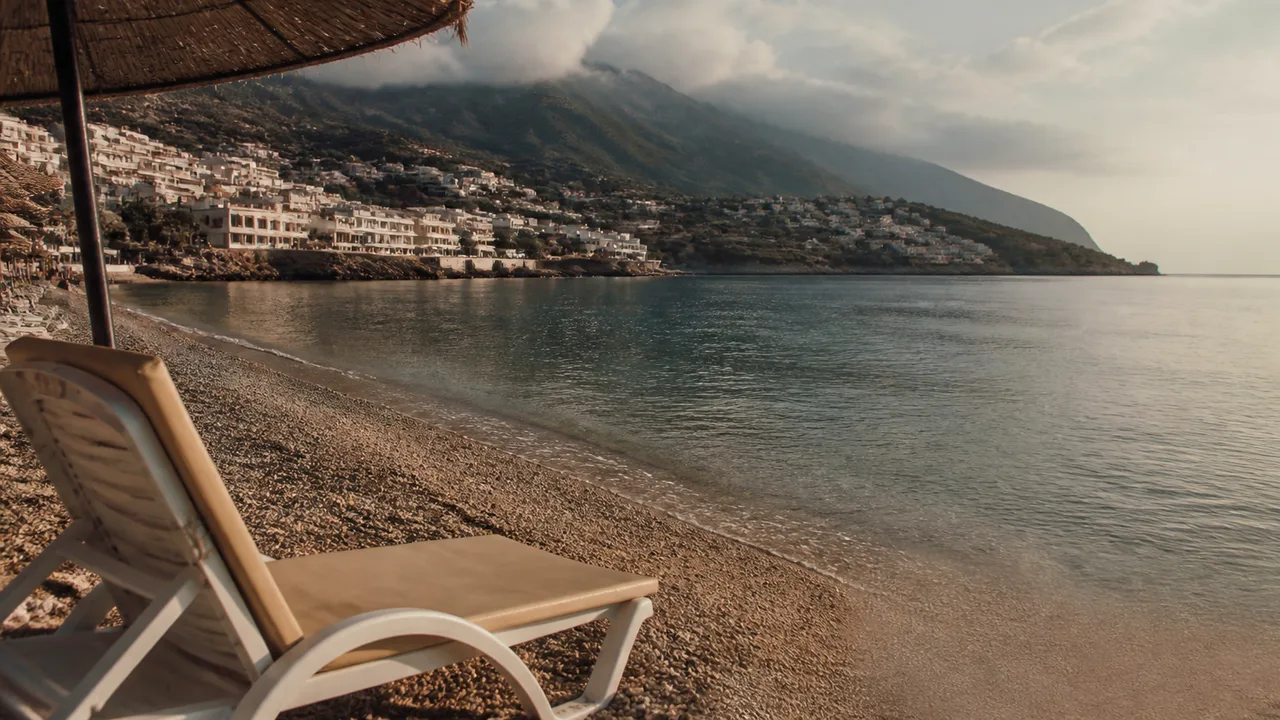
Kalkan, on Turkey’s Mediterranean coast, is one of five places highlighted for autumn sun across Europe and Turkey. Its bay and low October light offer a different prospect from the glare and crowds of high summer. The other four places aren’t named in the selection’s description, so anyone planning a route around all five should check the full feature first.
Kalkan is enough to raise a useful question. What does a beach holiday become when the beach stops running the whole day? A quieter shore might give you room to swim, walk and linger over lunch without arranging your life around a sunbed. It might also leave you hunting for an open kitchen after dark. The distance between those two trips depends on things a photograph cannot show: opening dates, transport, weather and what you want to do when you’ve had enough of the water.
The Beach Has a Timetable
October sun can make a coast look inviting at noon. It cannot promise the same conditions at breakfast, a warm sea or a dry afternoon. Anyone choosing an autumn beach trip needs to ask what happens if the main outdoor plan disappears for a day. A destination with walks, food, streets worth wandering and places to sit out bad weather gives a short trip more room to breathe. A resort built almost entirely around beach service has fewer ways to recover when that service packs up.
“Quieter” also needs a definition. Fewer people on the sand could be a gift if you want to hear the water and leave the day unscheduled. It could be a nuisance if you’re hoping to join a group excursion without paying for a private outing. Empty tables are appealing until the restaurant you had in mind has closed for the season. Neither traveler has misunderstood autumn; they want different things from it.
I’d start with three questions before looking at a forecast. Is the place pleasant without beach furniture? Can I get around without depending on one excursion operator? Will I enjoy a day when swimming looks like a poor idea? If the answers are yes, sunshine becomes a bonus rather than the sole load-bearing wall of the holiday.
Weather still deserves a serious check. A sunny icon for a town says little about wind at an exposed swimming spot or conditions for a boat trip. Look at forecasts close to departure, then follow local advice at the water rather than treating a calm-looking bay as permission to swim. The sea does not care how little annual leave you have left.
Kalkan Beyond the Postcard
Kalkan’s appeal in October is easy to understand from the bay-and-light description. Lower sun can change how long you want to spend outside: a walk or a meal with a view may compete with an afternoon planted on the beach. That is an appealing way to use a coast, particularly if peak-season heat and crowds usually send you looking for shade and an exit.
But a view cannot tell you whether a preferred restaurant will serve dinner on your dates. It cannot tell you whether a boat excursion has enough passengers to run or whether a beach service keeps its normal hours. Those are questions for the businesses themselves, asked before you make a booking that depends on them. Get the answer for your actual dates, not a general assurance that a place operates “in October.”
The same discipline applies to transport. A flight reaching the broader region is only one leg of the trip. Work out how you will reach your accommodation after landing, how late the connection runs and what the return journey requires. Turkey Travel Planner outlines public transport connections from Dalaman Airport. FlixBus lists a timetable and fares for its Dalaman to Kalkan route; check whether the service fits your arrival and return dates. If you need a transfer, ask for a confirmed price and pickup details. These checks are tedious for roughly five minutes; getting stranded at the end of a long travel day is tedious for much longer.
It makes it a place to book as it exists in autumn, rather than as a summer itinerary with the month crossed out.
Spend the Short Trip on the Right Things
Limited vacation days change the calculation. A seven-night holiday can absorb a rainy afternoon and a canceled outing. On a three-night break, either one takes a large bite out of the trip. The sensible move is to decide which experience you would miss most, then confirm that it can happen before you commit to an inconvenient arrival or departure.
For swimming, check current conditions and accommodation access to the water. If it is a guided activity, contact the operator about autumn departures, group minimums and cancellation terms. If it is eating somewhere particular, check that kitchen’s dates and hours. “The town is open” is too blunt a test for a trip built around one plan.
Leave a little space in the schedule. Booking every outdoor hour in advance turns variable weather into a chain of disappointments. Keeping one day flexible lets you move a walk or outing to the better window, where your bookings permit it. Conversely, flexibility has limits: if an activity is the reason you are going, ask about its availability rather than assuming you can arrange it on arrival.
Price needs the same attention as weather. A quieter month may bring a tempting room rate, but a cheap room does little for you if the transport that suits your schedule costs more than expected, or if the one excursion you want requires a private booking. Compare the whole trip, including the last journey back to the airport. That final leg has a habit of becoming everyone’s least romantic memory.
Whose Autumn Season is It?
A slower visitor season can put money into a town beyond its busiest weeks, provided businesses are still trading and visitors spend with them. It can also change the experience for residents: a guest who stays longer at a table and explores on foot places different demands on a town from a packed summer crowd. Whether that produces steadier work or a worthwhile extension of opening hours depends on the business. Travelers cannot infer it from an uncrowded street.
There are modest ways to make the question concrete. Ask a locally run accommodation or activity provider when it closes for the year. Book an outing only if the operator confirms it will run. If a restaurant is open, eat there rather than assuming a destination benefits simply because you occupied a bed. Those choices do not certify a holiday as ethical, and nobody owes visitors a full summer menu in October. They do connect the promise of a slower trip to the people asked to keep it possible.
The best autumn beach break may involve less time on the beach than you imagined. Kalkan’s bay can still be the reason to go; the test is whether you would be content there when the light fades, the water looks uninviting and the day has to become something else.
More Like This

JetBlue BlueFirst: What the A320 Cabin Shift Means
JetBlue's new BlueFirst cabin adds 12 first class seats to its A320 fleet. Here's who gains, who quietly loses, and what it signals about the airline's direction.

Hotel AI Visibility: Why Google Rank No Longer Guarantees Discovery
Hotels that rank well on Google are disappearing from AI chatbot results. Here's what's driving that gap and what properties need to rethink about their content.

Flight Attendants Share Honest Tips for Air Travel
Flight attendants reveal what they actually do on planes, from skipping the coffee to packing smarter. Here's what their habits tell frequent flyers.

Light Rail Automation Borrows Tech from Cars and Satellites
Cities are automating light rail using car sensors and satellite positioning. Here's what that shift means for urban transit, safety, labor, and city design.
Madrid Metro Line 11 Extended to Valdebebas for €880M
Madrid's Comunidad has approved an €880M extension of Metro Line 11 to Valdebebas Norte—7.2 km, four new stations, and a bet on the city's northern edge.

World Cup 2026 Economic Ripple Reaches Non-Host Cities
The 2026 World Cup is lifting hotels and spending in cities nowhere near a stadium. Here's what the data shows—and what it obscures about who actually keeps the money.