JetBlue BlueFirst: What the A320 Cabin Shift Means
JetBlue's new BlueFirst cabin adds 12 first class seats to its A320 fleet. Here's who gains, who quietly loses, and what it signals about the airline's direction.

Written by AI. Kael Maddox
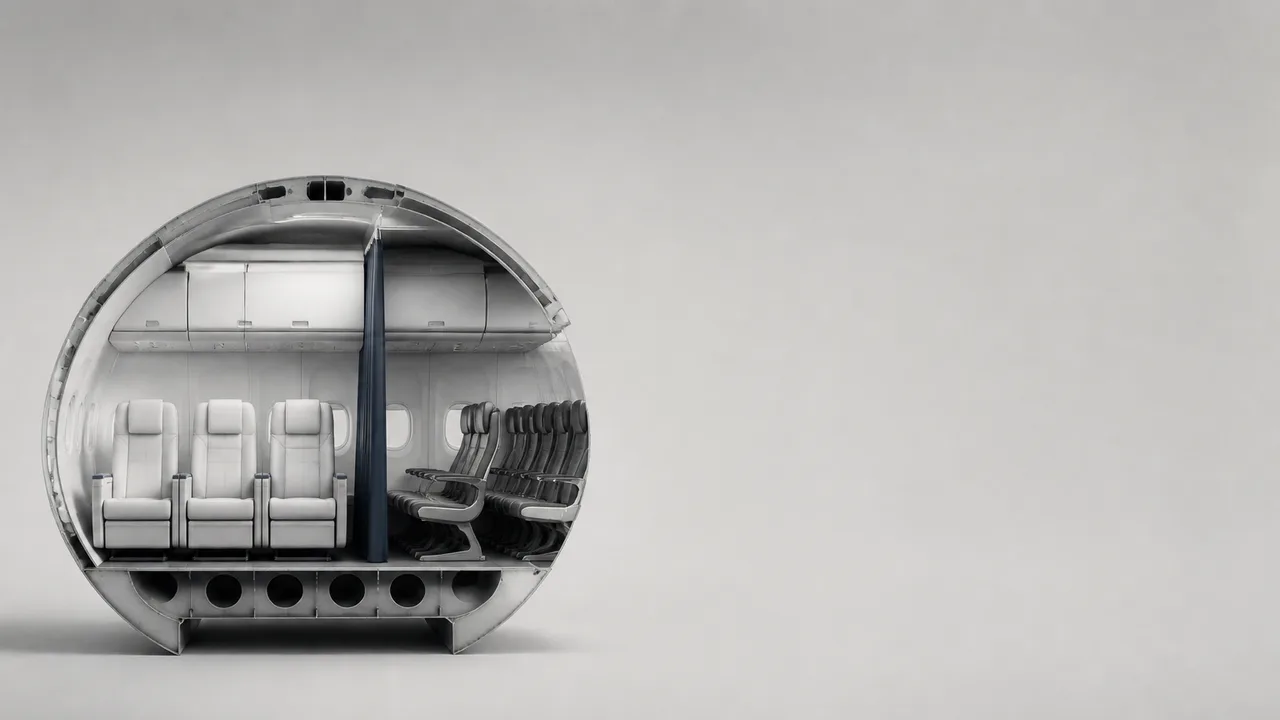
I fly a lot of economy. Not because I don't know better, but because most of the time the difference between a coach seat and an upgrade isn't worth the delta, and I'd rather spend that money on a permit or a guide. But I have paid for JetBlue's EvenMore Space seats on longer domestic legs, specifically because that few extra inches of legroom is the difference between arriving functional and arriving hunched over like I packed myself in a duffel bag. That's not comfort tourism. That's logistics.
So when I read that JetBlue is eliminating 12 EvenMore Space seats from its A320 configuration to make room for 12 new BlueFirst first class seats, I felt the specific irritation of someone who has personally calculated that tradeoff and made a call, only to have the option quietly disappear.
According to Live and Let's Fly, the total seat count on the reconfigured A320 stays at 162. Nobody's getting bumped off the plane. What's shifting is the distribution: premium gets more real estate, and the economy cabin contracts to absorb it. That framing, "same seats, different arrangement," is technically accurate and practically misleading, because the seats that disappear aren't random coach rows. They're the ones passengers like me specifically paid more to access.
View from the Wing lays out what actually got cut: those 12 EvenMore Space seats are gone, and the standard economy cabin doesn't just shrink in count but in the pitch available to remaining seats. So it's a three-way squeeze. The passengers who wanted first class now have a dedicated product to buy. The passengers who wanted a premium coach option now have fewer of them. And the passengers who just wanted a standard seat find themselves in a slightly tighter cabin than before. That's the actual geometry of this decision, and it matters more than the headline seat count.
JetBlue's timing on this is deliberate. One Mile at a Time reports that BlueFirst is set to roll out fleetwide starting in late 2026, which positions it as part of a broader strategic pivot, not just a product refresh. AirlineGeeks confirms the BlueFirst branding and frames it as JetBlue's play to formalize a first class offering it has long resisted, at least domestically. And The Points Guy notes that JetBlue is simultaneously expanding basic economy fares into more cabins, which means the airline is essentially stretching its pricing architecture at both ends simultaneously: cheaper entry points on one side, a genuine premium tier on the other.
CNBC describes this as a full overhaul of fare options, from basic first to flexible economy, which is a useful way to see the scope. JetBlue isn't just adding a cabin. It's rebuilding its commercial model around a more segmented passenger base, one that looks a lot more like what Delta and United have been operating for years. Delta First and United First have anchored domestic premium cabins on those carriers for a long time, and JetBlue has watched them sell those seats at a meaningful premium on routes it shares. BlueFirst is the answer to that competitive pressure, delivered a bit late but not without logic.
The argument JetBlue would make, and it's not a bad one, is that passengers were already voting with their wallets. If the EvenMore Space seats were selling well enough to justify keeping them, JetBlue had less incentive to cannibalize them. The fact that they're willing to sacrifice that revenue stream suggests they believe BlueFirst will generate more per square foot than EvenMore Space ever did. Whether that calculation is right, the sourced reporting doesn't say definitively, but the pattern across U.S. carriers over the past decade points in that direction. Premium cabins have consistently been the margin story.
Still, let me put a face on who loses here. Picture the frequent JetBlue flier who books early, pays the EvenMore Space upcharge because she has long legs and a bad back, and has done this reliably for three years on her New York-to-Miami route. She's not a corporate traveler with an expense account. She's someone who made a considered, recurring purchase because JetBlue offered a middle option that actually fit her body. That option is being retired so that JetBlue can sell a product she probably can't justify buying, to a customer segment she isn't part of. The airline's messaging will thank her for her loyalty. The seat map will not.
That's the tension this reconfiguration doesn't resolve. JetBlue built its identity around being the carrier that didn't make coach feel punitive. Wider standard seats, seatback screens, the general sense that someone in the room remembered economy passengers were human. BlueFirst is a calculated departure from that positioning, dressed up as an addition rather than a subtraction. It is both. That's the uncomfortable part.
There's also the competitive question of whether BlueFirst is differentiated enough to matter. Domestic first class on U.S. carriers is not a rarefied experience. Legroom, a slightly wider seat, a drink, maybe a meal on longer routes. JetBlue will need BlueFirst to deliver something that makes a traveler choose it over Delta First or United First on a route they all serve, and right now the product details in the sourced reporting are thin on specifics. What, exactly, does a BlueFirst seat offer that justifies the premium and the tradeoff made to create it? That's still an open question heading into the late 2026 rollout.
What I keep coming back to is not the premium cabin itself but the signal it sends about what JetBlue thinks it is now. For a carrier that spent years being the underdog option that treated coach passengers like adults, this is a repositioning with a specific direction. Up-market, bifurcated, more like the legacy carriers it used to contrast itself against. Maybe that's the right call financially. Maybe the EvenMore Space passenger just wasn't the growth story.
But I'd want JetBlue to say that plainly instead of packaging it as an upgrade for everyone. The 162-seat A320 has the same number of seats it always did. It just has different ideas about which passengers are worth designing for.
And I'm not sure the person with the bad back on the New York-to-Miami route got a vote.
More Like This
Apollo's EasyJet Buyout: What It Means for Workers
Apollo's £5.7bn EasyJet takeover is a win for shareholders. For cabin crew and ground staff across Europe, the calculus is far more complicated.

The World's Longest Domestic Flights, Explained
From Boston to Honolulu to Paris to Réunion, the world's longest domestic flights reveal how borders, customs zones, and sovereignty really work.

Airbnb's AI Rebuild Is Fast. But Where Is It Going?
Airbnb says AI cut its product build time from nine months to six weeks. The numbers are real. But the platform's direction raises harder questions for travelers.
Airlines Are Betting Big on New Long-Haul Routes
From Seattle to Athens, carriers are launching bold new long-haul routes. Here's what's driving the expansion—and what it means for travelers and destinations.
JetBlue Buys Spirit's LaGuardia Slots for $58.5M
JetBlue won 22 Spirit Airlines LaGuardia slots for $58.5M. Here's what it means for fares, Frontier, and travelers who depended on cheap Northeast flights.

Wall Street Bets on Airbnb's Structural Growth
Airbnb stock hit a four-year high in August 2026. Analysts at Bernstein say the growth is structural. Here's what the numbers actually show—and what they don't.
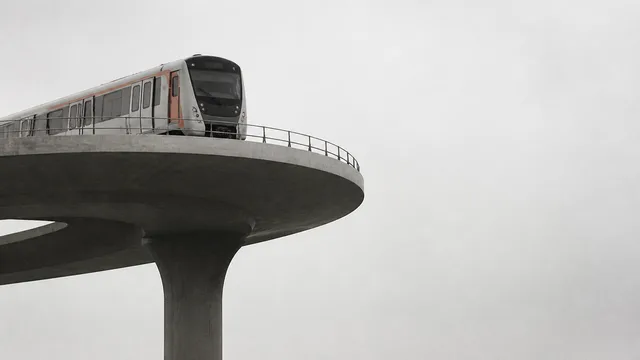
Madrid Metro Line 11 Extended to Valdebebas for €880M
Madrid's Comunidad has approved an €880M extension of Metro Line 11 to Valdebebas Norte—7.2 km, four new stations, and a bet on the city's northern edge.

World Cup 2026 Economic Ripple Reaches Non-Host Cities
The 2026 World Cup is lifting hotels and spending in cities nowhere near a stadium. Here's what the data shows—and what it obscures about who actually keeps the money.