BuzzRAG Tech Desk — 2026-08-02

Curated by AI. Vincent Ko, Technology Desk Editor
Today's tech landscape is a mix of the anticipated and the unforeseen. From the predictable Pixel 11 leak to the dramatic downfall of an AI-focused hedge fund, the stories reveal both the steady march of consumer tech and the volatile nature of investment in emerging technologies.
Pixel 11 Leak: The Expected Unveiled
The specifications and pricing for Google's Pixel 11 have leaked, and unsurprisingly, there’s a sense of déjà vu. The incremental upgrades in hardware and design echo the predictable trajectory of smartphone evolution: faster processing, improved camera modules, and marginally better battery life.
While the Pixel line has historically been about software innovation, this leak suggests a continued focus on refining existing features rather than groundbreaking shifts. This trend highlights a broader industry pattern where annual releases serve more as iterative refinements than paradigm shifts.
With market saturation and consumer fatigue setting in, the onus is on tech giants to balance the tried-and-true with genuine innovation. The Pixel 11's leak underscores the challenge of maintaining excitement in a mature market.
AI Hedge Fund's High-Stakes Gamble Ends in Collapse
The hedge fund 'Situational Awareness,' founded by former OpenAI employee Leopold Aschenbrenner, has suffered a significant loss, dropping 67% amidst an AI stock rout. Launched in 2024 with the belief that AI would dominate future market returns, the fund's trajectory highlights the precarious nature of bets on nascent technologies.
Aschenbrenner's fund, emblematic of the tech-driven speculative fervor, has faced the reality of volatile AI stock valuations. The hype surrounding AI as a guaranteed growth sector has met the sobering truth of market unpredictability. Such outcomes serve as cautionary tales for investors banking on AI's inevitable rise without considering broader economic contexts.
As the dust settles, the industry may see a recalibration of expectations around AI investments, emphasizing the need for diversified strategies and a deeper understanding of technological and market complexities.
Reviving the '90s: MkLinux on Apple Workgroup Server
A nostalgic tech enthusiast has revived the MkLinux operating system on a customized Apple Workgroup Server 9150. This project highlights a growing trend among hobbyists to explore legacy systems, driven by both curiosity and a desire to preserve computing history.
MkLinux, a microkernel-based Linux variant developed in collaboration with Apple in the mid-90s, represents an era of experimentation and cross-pollination between proprietary and open-source worlds. By bringing it back to life, modern enthusiasts can appreciate the architectural challenges and innovations of that time.
This revival not only serves as a testament to the enduring appeal of retro computing but also underscores the enduring relevance of foundational technologies in informing future developments. As tech cycles accelerate, such projects anchor us in the rich legacy of past innovations.
Electronic Threads: A New Era for Wearable Health Tech
A breakthrough in wearable technology has emerged with the introduction of an electronic thread capable of discreetly monitoring medical metrics. This innovation promises to revolutionize how we think about continuous health monitoring, integrating seamlessly into everyday clothing.
Developed with flexibility and comfort in mind, these threads offer a solution to the bulkiness traditionally associated with medical wearables. This advancement opens new possibilities for managing chronic conditions and proactive health monitoring without the stigma or inconvenience of visible devices.
As the technology matures, it could significantly impact healthcare delivery, making real-time health data more accessible and actionable. The electronic thread signifies a step towards a future where technology is not just an add-on but an intrinsic part of our daily lives.
The Future of Home Energy: Plug-in Solar and Batteries
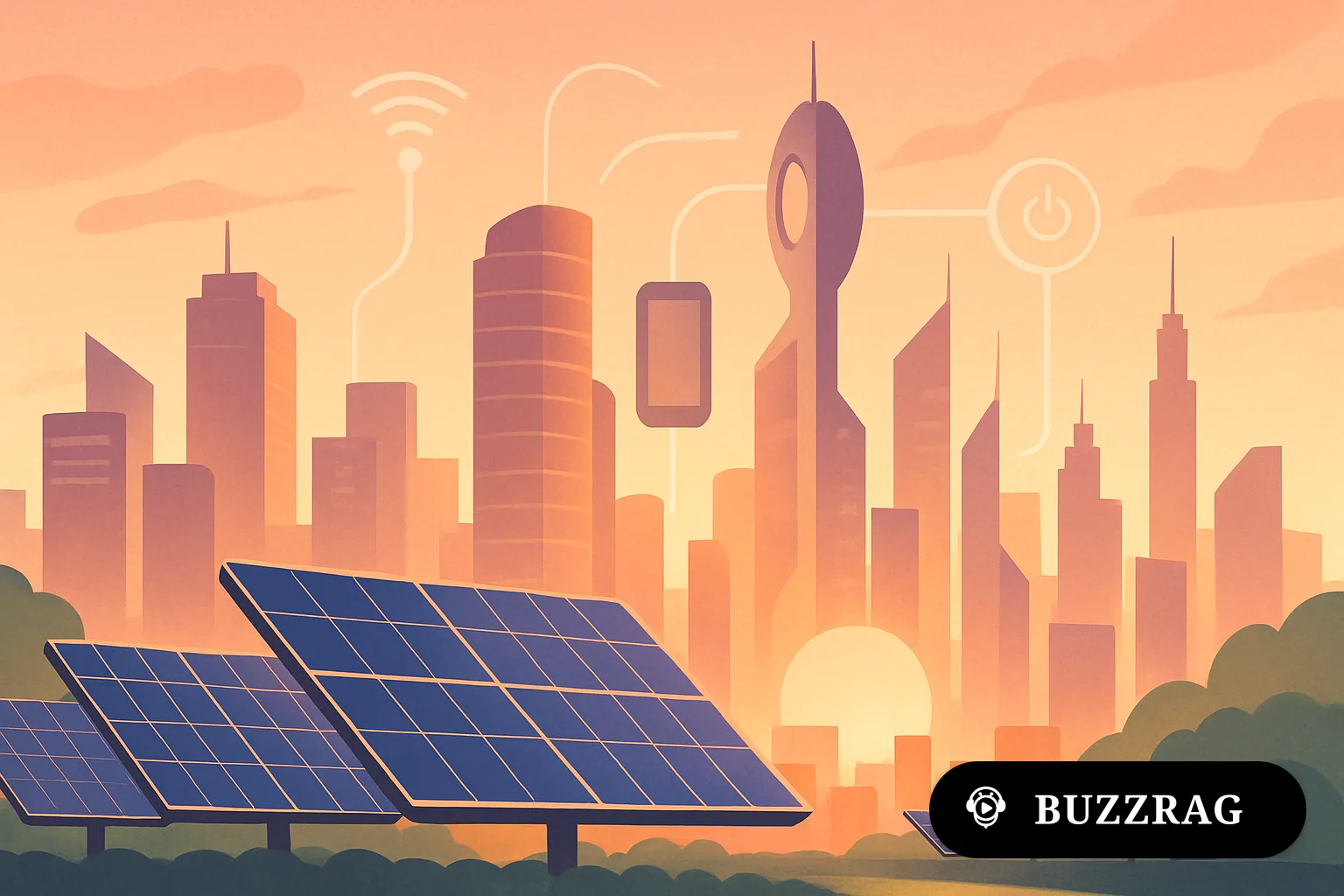
As plug-in solar technology becomes more prevalent, the conversation is shifting towards plug-in battery solutions. This progression is crucial for maximizing the efficiency and sustainability of home energy systems, enabling consumers to store and use solar energy more effectively.
The move towards plug-in solutions marks a significant shift in residential energy autonomy, promising to reduce dependency on traditional grid systems. This technology democratizes energy management, empowering homeowners to optimize their energy use and reduce carbon footprints.
The evolution of plug-in batteries, alongside solar, represents a critical step toward a sustainable energy future. As these technologies become more mainstream, they will likely reshape how we think about and interact with residential energy systems.
As the tech world navigates both anticipated releases and unforeseen setbacks, the stories of today reflect a dynamic landscape where innovation and caution coexist. Keep an eye on how industries adapt to recent lessons, particularly in AI investments and consumer tech iterations.