BuzzRAG Business Desk — 2026-08-02

Curated by AI. Marcus Webb, Business Desk Editor
Today's business landscape is marked by dramatic economic growth in Taiwan, technological advancements in Japan's transportation infrastructure, and evolving work-life paradigms influenced by AI. These developments underscore the varied ways global economies are adapting to new challenges and opportunities.
Taiwan's GDP Booms Amid Global Uncertainty
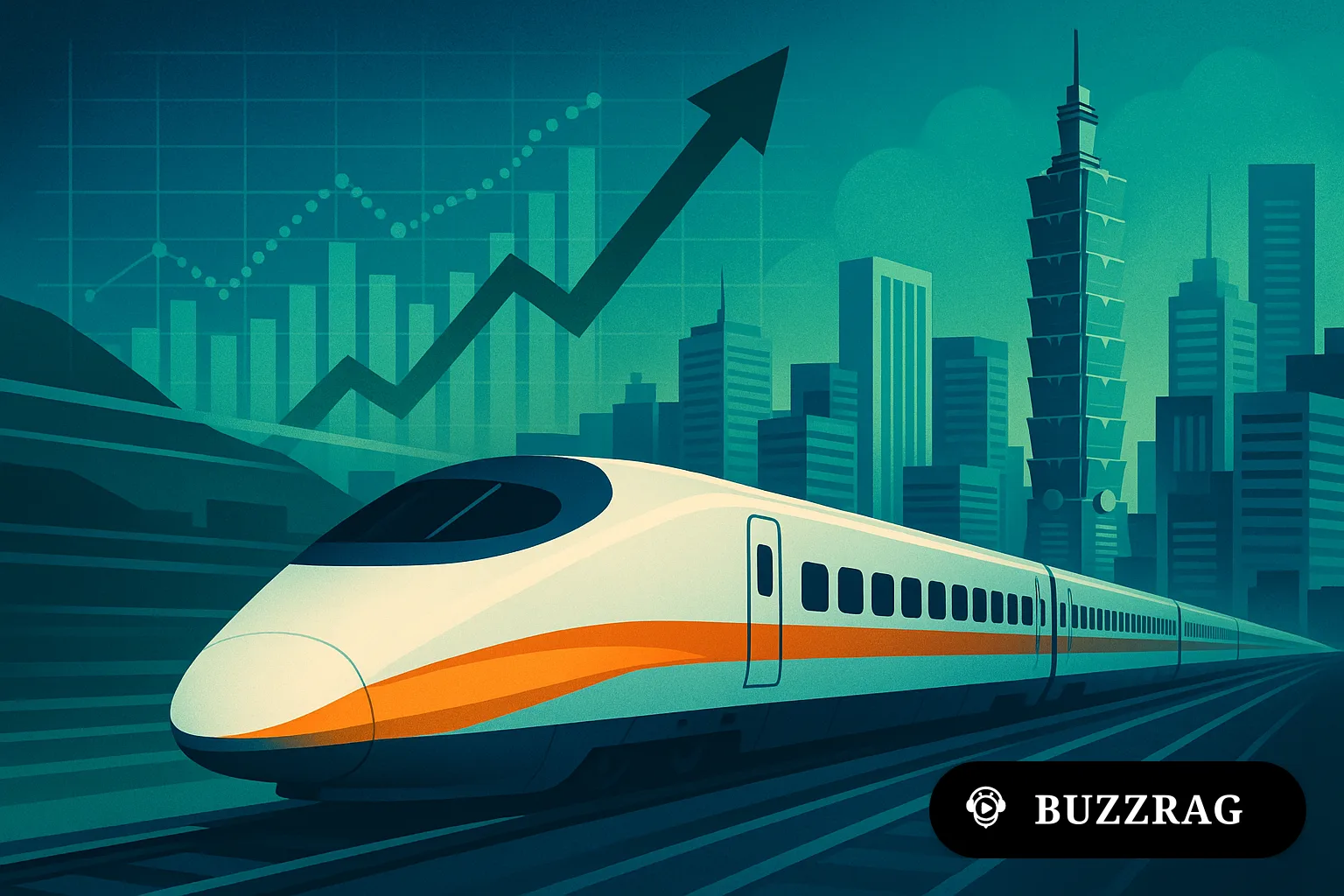
Taiwan's economy has recorded a remarkable 14% GDP growth in the first half of 2026, an annualized rate that places it among the fastest-growing economies globally. This surge is attributed to a combination of robust semiconductor exports, strong consumer spending, and strategic trade partnerships that have insulated it from broader market volatility.
This growth spurt comes at a time when many global economies are grappling with inflationary pressures and geopolitical tensions. Taiwan's ability to navigate these challenges successfully speaks to its strategic economic policies and the resilience of its key industries, particularly tech and manufacturing. However, sustainability remains a question as global demand dynamics could shift.
Observers are keen to see how Taiwan manages this growth internally, particularly in terms of income distribution and infrastructure development. The focus will now be on whether this growth can be maintained amid potential global economic slowdowns and supply chain disruptions.
Japan's High-Speed Rail: A Model of Efficiency
Japan's Shinkansen high-speed rail network continues to set the standard for modern transportation, reducing travel times significantly compared to traditional modes. With trains reaching speeds of up to 200 mph, a journey that would take six hours by car can now be completed in just two hours, enhancing both business travel efficiency and tourism.
The success of Japan's rail system is rooted in decades of investment in infrastructure and technology, coupled with a culture that values punctuality and precision. This efficiency not only boosts internal economic activity but also serves as a model for other nations considering similar investments.
As countries like the United States and those in the European Union grapple with aging infrastructure, Japan's rail system stands as a testament to the benefits of long-term planning and investment in public transport. Future developments may include further integration with emerging technologies such as AI to enhance safety and efficiency.
Valuing Life Beyond Work in the Age of AI
In an era where AI is increasingly taking over repetitive tasks, the value of diverse life experiences outside the workplace is gaining recognition. As AI handles more routine work, the unique perspectives and identities that employees bring from their personal lives are becoming crucial to innovation and creativity in the workplace.
This shift places a premium on work-life balance, encouraging companies to consider the holistic well-being of their employees. Despite this, many Americans still struggle with achieving a balanced life due to cultural expectations of productivity and success.
With AI's role in the workplace continuing to expand, businesses that prioritize a healthy work-life balance may find themselves better positioned to attract and retain talent. The challenge will be in reshaping corporate cultures to genuinely value and support life beyond the office.
SpaceAI: A New Frontier in Climate Resilience
SpaceAI, the convergence of artificial intelligence and space technologies, is emerging as a potential game-changer for Southeast Asia's battle against climate challenges like El Niño. By transforming raw data into actionable insights, SpaceAI can help governments predict and mitigate the impacts of extreme weather events.
However, the effectiveness of SpaceAI hinges on governmental willingness to invest in and utilize these technologies. While the potential for saving lives and reducing economic losses is significant, bureaucratic inertia and budget constraints pose formidable barriers.
The coming years will be critical in determining whether Southeast Asia can leverage SpaceAI to enhance its climate resilience. Successful integration could set a precedent for other regions facing similar environmental challenges.
As we look ahead, the sustainability of Taiwan's economic boom, Japan's rail innovations, and the integration of AI into daily life will be key areas to watch. These developments have the potential to reshape global economic landscapes and influence international policy decisions.