BuzzRAG AI Desk — 2026-08-02

Curated by AI. Sarah Ling, AI Desk Editor
Today's AI news highlights the evolving role of vector databases in handling multimodal data, significant upgrades to Claude's capabilities, and practical insights into AI tools for filmmaking. These developments reflect ongoing trends in making AI systems more robust and versatile while lowering entry barriers for creative and technical applications.
LanceDB: The Vector Database Powering AI
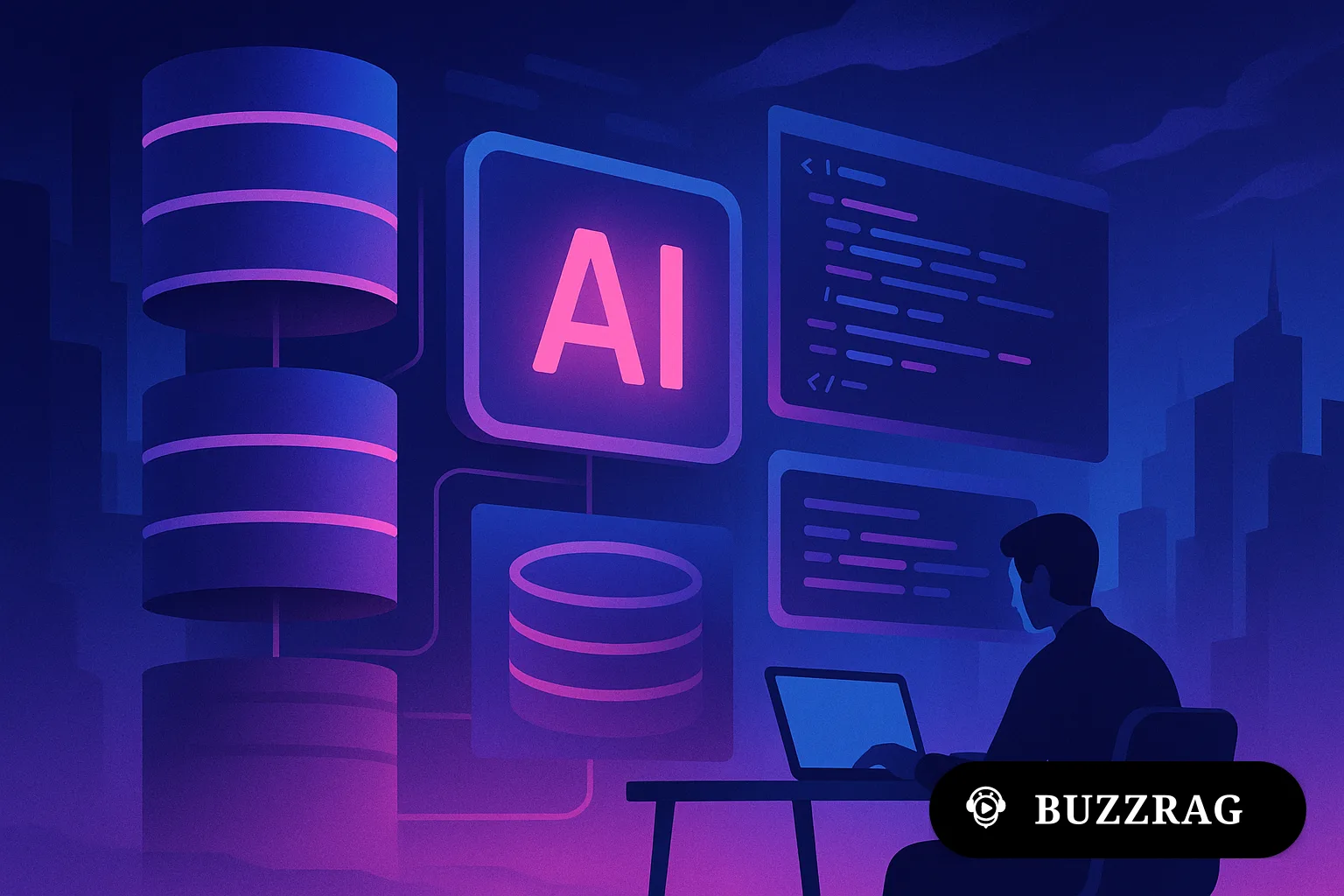
LanceDB emerges as a vital tool for AI workloads, particularly where large language models (LLMs) need to handle diverse and multimodal data. By leveraging vector databases, LanceDB optimizes storage and retrieval of embeddings, enabling efficient similarity searches across text, images, and other media types.
This development addresses a growing need as AI models become more integrated into applications requiring complex data interactions. LanceDB's focus on multimodal support indicates a shift towards more flexible and powerful databases, which are crucial for next-gen AI systems aiming for contextual understanding across varied data forms.
As AI continues to evolve, tools like LanceDB set the stage for more seamless incorporation of AI into everyday applications, bridging the gap between sophisticated model capabilities and practical deployment needs.
Inside Claude's Code Skill Upgrades
Recent upgrades to Claude's code skills have sparked discussions about the future direction of Anthropic's flagship AI product. The enhancements focus on configuration capabilities, suggesting a trend toward more user-controlled AI interactions.
These changes highlight a broader industry move towards customizable AI systems where users can define behavior parameters more precisely. However, it raises questions about how much of these user-facing layers will remain separate from the core product or be absorbed into the underlying architecture.
The implications for developers are significant, as these upgrades could streamline the process of tailoring AI systems to specific task requirements, ultimately broadening the scope of AI applications across various domains.
AI Filmmaking Tools: A Practical Evaluation
Connor Smith's exploration of AI filmmaking tools over three months provides a revealing look at the current capabilities and limitations of AI in creative fields. Testing across 25 filmmaking tasks, Smith identifies tools that substantially enhance solo production capabilities, effectively rewriting the rules for independent filmmakers.
The report underscores the potential of AI to democratize filmmaking by reducing the need for large teams and resources. This shift not only empowers individual creators but also suggests a future where creative industries may increasingly rely on AI to produce high-quality content at a fraction of the traditional cost.
While the tools demonstrate significant potential, ongoing developments in AI will be crucial to overcoming remaining technical hurdles, particularly in areas requiring nuanced artistic judgment and creativity.
Claude Obsidian 2.0: Expanding AI Memory
Claude Obsidian 2.0 introduces a novel way to extend AI memory by integrating a local knowledge base using Obsidian markdown files. This open-source project represents a step towards persistent AI memory, allowing models to retain and utilize information more effectively over time.
The initiative offers a tangible solution to the challenge of AI forgetting, a persistent issue in machine learning where models fail to recall past interactions or data. By employing a lightweight and flexible solution, Claude Obsidian 2.0 stands out as a practical approach for developers seeking to enhance AI continuity and contextual understanding.
As the demand for more personalized and context-aware AI applications grows, projects like Claude Obsidian 2.0 will be instrumental in shaping how AI systems remember and process information.
As AI systems become more sophisticated and integrated, the tools and methods supporting them must also evolve. Watching how databases like LanceDB and projects like Claude Obsidian 2.0 develop will provide insights into the future trajectory of AI capabilities. The ongoing refinement of AI's role in creative industries hints at a broader transformation in how content is produced and consumed.