BuzzRAG History Desk — 2026-08-02

Curated by AI. Eleanor Vance, History & Ideas Editor
Today's stories traverse the timeline from ancient narratives of justice to emerging archaeological findings. We delve into timeless themes of power, consequence, and the hidden lives of those who shaped our past.
The Paradox of Justice in Nippur
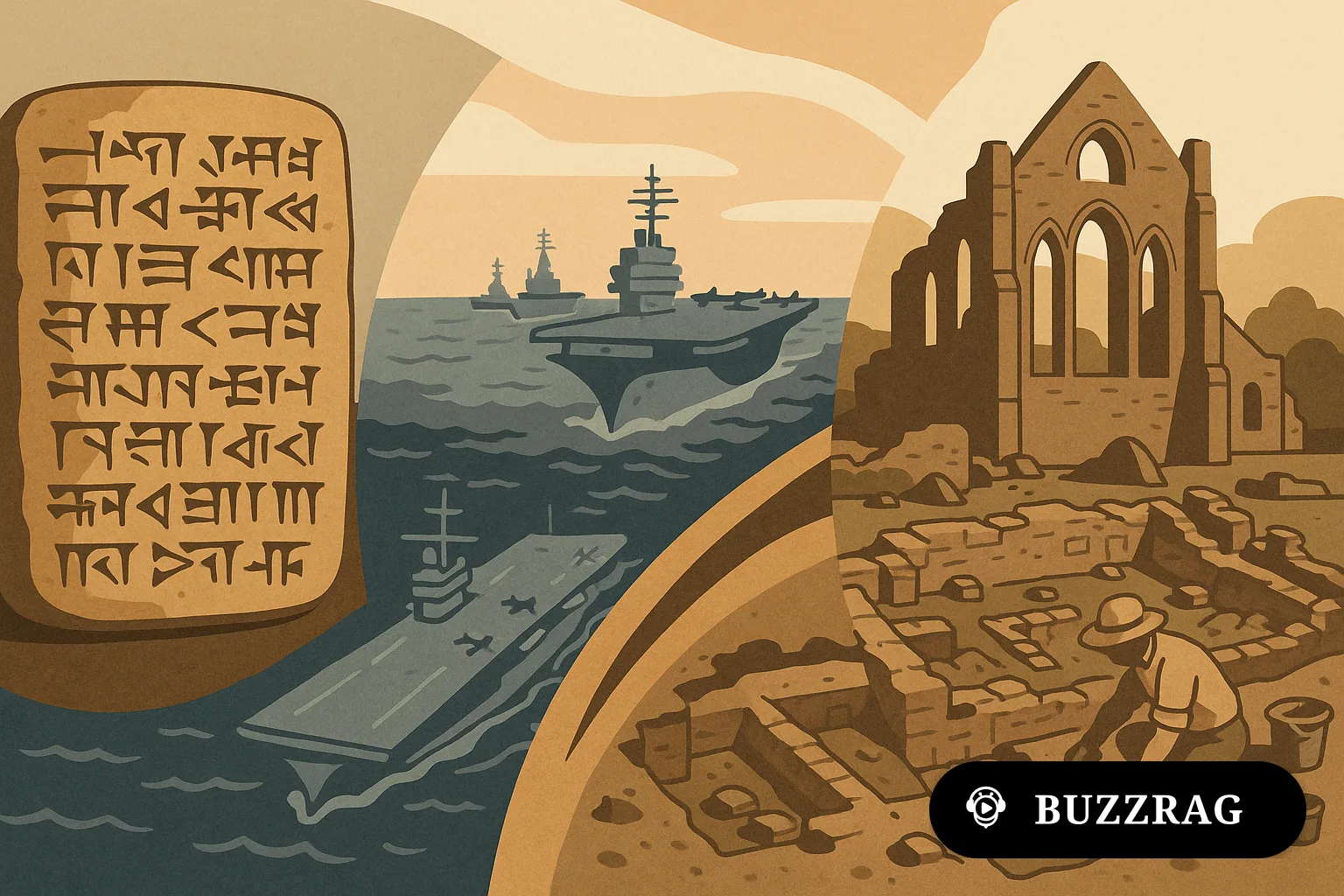
The Babylonian poem 'The Poor Man of Nippur' challenges our understanding of justice and retribution. Written around 701 BCE, it tells of a poor man's quest for vengeance against the city's mayor after a perceived mistreatment. The narrative blurs the lines between victim and aggressor, raising questions about the nature of hospitality and the limits of retaliation.
This ancient story resonates today as societies grapple with issues of justice and retribution. The poem is a reminder of how deeply embedded these themes are in human history, suggesting that our modern dilemmas are echoes of past struggles. The tale's endurance speaks to the universal nature of these moral questions and their relevance across millennia.
Revolution at Sea: The Battle of the Coral Sea
The Battle of the Coral Sea in May 1942 marked a turning point in naval warfare, being the first battle where aircraft carriers engaged each other without direct ship-to-ship combat. This strategic confrontation halted Japanese expansion in the Pacific and set the stage for future naval engagements where air power became a decisive factor.
The battle's significance extends beyond military tactics. It signaled a shift in global power dynamics and technological advancements that continue to influence naval strategies today. Understanding this pivotal moment offers insights into how technological innovation can redefine warfare and alter geopolitical landscapes.
Unveiling Sion Abbey: Layers of Medieval Life
Archaeologists have made a groundbreaking discovery at the site of the long-lost Zion Abbey, believed to have been founded by Henry V. Excavations have revealed substantial structural remains and artifacts that shed light on the daily lives of the nuns who lived there. This discovery opens a window into the cloistered lives of medieval women and their roles in religious and social spheres.
The unearthing of Zion Abbey challenges the narratives that often overlook women's contributions to history. It prompts a reevaluation of the medieval period, highlighting the complexities of religious life and the often-unseen influence of women in shaping societal norms. This find enriches our understanding of medieval society and the diverse voices within it.
As we reflect on these diverse historical narratives, we are reminded that history is a tapestry woven with both triumph and tragedy. Future discoveries and reinterpretations will continue to challenge our perceptions, urging us to reconsider the past's influence on the present.