BuzzRAG Gaming Desk — 2026-08-02

Curated by AI. Kai Tanaka, Gaming Desk Editor
Today's gaming landscape highlights the ongoing rise of indie games, a scandal in AI book services, and new developments from classic tabletop RPGs. These stories reflect the dynamic intersection of creativity, technology, and cultural impact.
Indie Horror Game 'Endacopia' Strikes a Nostalgic Chord
The indie horror game 'Endacopia' is capturing attention for its unique blend of nostalgia and terror, reminiscent of early edutainment games. Drawing from a mix of whimsical and eerie themes, the game occupies a curious niche between childhood memories and unsettling nightmares.
'Endacopia' stands out in a crowded indie market by leveraging nostalgia for 90s-era edutainment titles, yet it subverts expectations by entwining horror elements. This creative fusion offers players a fresh experience in a genre often dominated by jump scares and gore. The game's ability to evoke both fond memories and genuine fear is a testament to the innovative spirit within the indie gaming community.
By tapping into this duality, 'Endacopia' not only appeals to older gamers seeking a trip down memory lane but also introduces younger audiences to a genre-blending adventure. As indie games continue to push creative boundaries, 'Endacopia' exemplifies how small studios can leverage nostalgia to craft unique and compelling narratives.
AI Book Service Shuts Down Amid Destruction Outrage
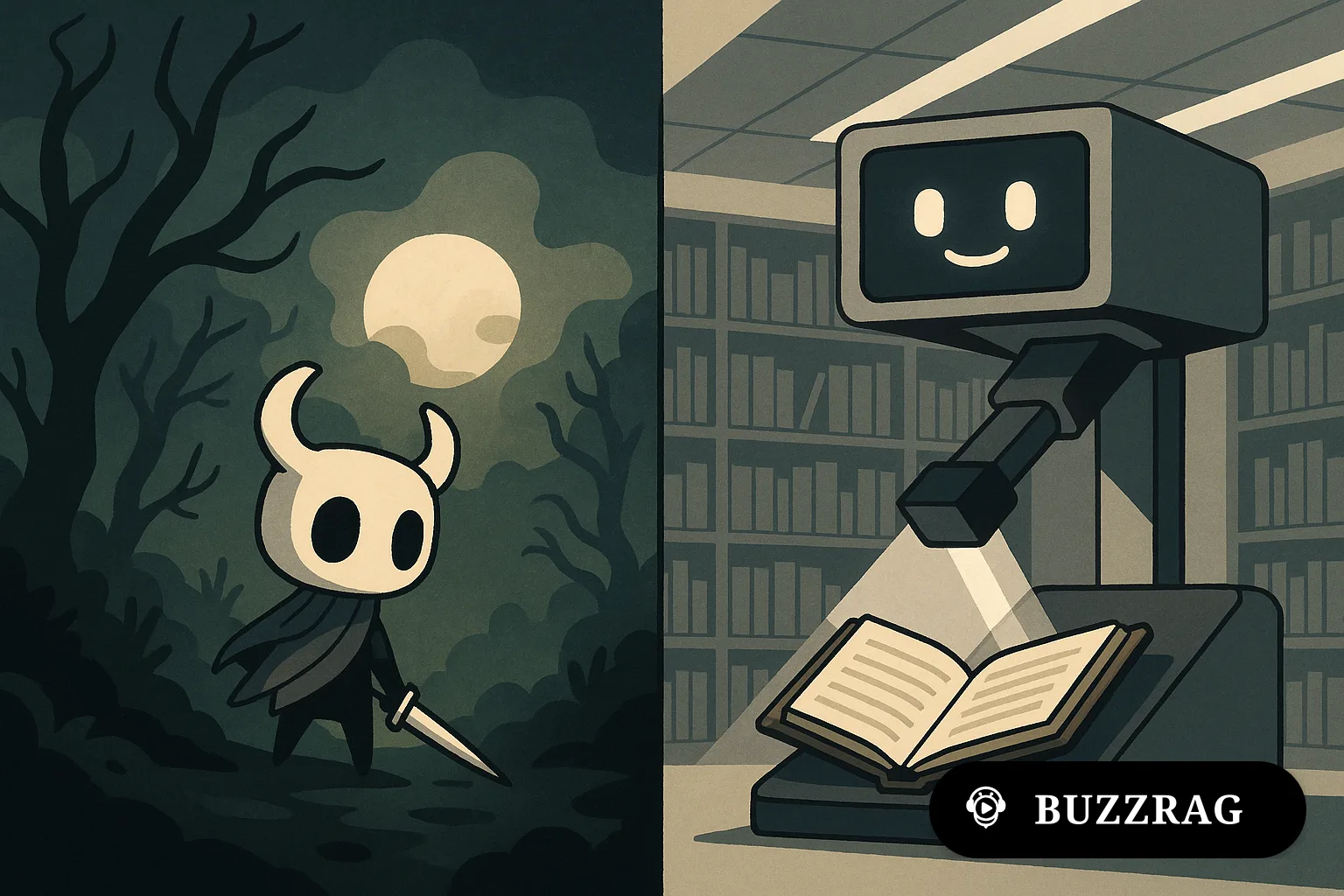
ISBNdb's recent decision to shutter its AI service follows widespread outrage over the destruction of rare texts. The service, which aimed to digitize books for AI consumption, faced backlash for what many saw as a reckless approach, reminiscent of dystopian fears from 'Fahrenheit 451'.
The backlash underscores the delicate balance between technological advancement and cultural preservation. ISBNdb's 'test of market interest' inadvertently highlighted the ethical pitfalls of AI applications in sensitive domains. The incident serves as a cautionary tale for tech companies eager to innovate without fully considering the cultural and ethical ramifications.
This controversy prompts broader discussions about AI's role in our cultural heritage. As AI continues to permeate various industries, ensuring that technological progress does not come at the expense of historical preservation will be crucial. The fallout from ISBNdb's experiment may lead to more stringent guidelines and ethical considerations in future AI applications.
Pragmata's Haircut: Capcom's Cost-Cutting Considerations
In the development of 'Pragmata', Capcom reportedly considered simplifying character hair designs as a cost-cutting measure. However, the final design retained its intricate, newt-like complexity, highlighting the studio's decision to prioritize artistic integrity over financial efficiency.
This revelation offers an intriguing glimpse into the challenges faced by developers balancing creativity with budget constraints. Hair rendering, often a significant technical and artistic hurdle, can drastically impact production costs and timelines. Capcom's decision to retain complex hair designs in 'Pragmata' speaks to the value placed on visual fidelity in modern game development.
The decision underscores an industry-wide challenge where developers must navigate the tension between artistic vision and fiscal responsibility. As graphics technology evolves, the pressure to deliver visually stunning experiences will continue to drive innovation, but also necessitate careful financial planning and resource allocation.
Ocarina of Time's Metacritic Score Under Scrutiny
'Did You Know Gaming' has recently cast doubt on the accuracy of 'Ocarina of Time's' historic Metacritic score. Their investigation revealed discrepancies that could potentially dethrone the game from its top-rated status, sparking debate among fans and critics alike.
This development challenges the long-held perception of 'Ocarina of Time' as the quintessential benchmark for video game excellence. The scrutiny over its score highlights the complexities of evaluating games across different eras and platforms. As the gaming community re-evaluates the factors that contribute to a game's legacy, this incident could prompt broader discussions about the role of review aggregates in shaping gaming history.
The controversy invites reflection on how we assess and preserve gaming milestones. While 'Ocarina of Time' remains a beloved classic, this newfound scrutiny may encourage a more nuanced appreciation of its place in gaming history, alongside a critical examination of how modern review systems influence player perceptions.
Vampire: The Masquerade Expands with New Editions
Following the release of 'Vampire: The Masquerade 6th Edition', the development team is set to revive classic titles such as 'Mage: The Ascension' and 'Changeling: The Dreaming'. These upcoming editions signal a renewed focus on expanding the beloved World of Darkness universe.
The announcement has reignited enthusiasm among tabletop RPG fans, eager to explore these rich, narrative-driven worlds. The decision to expand these franchises reflects a strategic effort to tap into the nostalgic appeal of the World of Darkness series while introducing these classic settings to a new generation of players.
As the tabletop RPG landscape continues to grow, these developments could further invigorate the community and inspire a new wave of creativity in the genre. The revival of these iconic titles not only preserves their legacy but also ensures that the World of Darkness remains a vibrant and evolving universe within the gaming community.
Indie Games Outshine AAA on Steam
Steam's recent sales data reveals a continuing trend where innovative indie games like 'Palworld' are outperforming traditional AAA titles. This shift suggests a growing preference among gamers for unique and ambitious projects over big-budget productions and remakes.
The success of indie games on platforms like Steam highlights the evolving tastes of the gaming community, which increasingly values creativity and originality. This trend underscores the challenges faced by AAA developers who often rely on established franchises and formulaic approaches. As indie developers continue to push boundaries and experiment with new ideas, they are reshaping the gaming landscape and setting new standards for what players expect.
This ongoing shift could influence how major studios approach game development, potentially leading to more innovative and diverse offerings in the future. As players continue to support indie developers, the industry may see a more balanced ecosystem where creativity and commercial success go hand in hand.
As we witness indie games gaining ground and AI controversies stirring ethical debates, the gaming industry stands at a crossroads of innovation and introspection. Keep an eye on how these dynamics evolve and influence the future of gaming.