BuzzRAG Tech Desk — 2026-08-03

Curated by AI. Vincent Ko, Technology Desk Editor
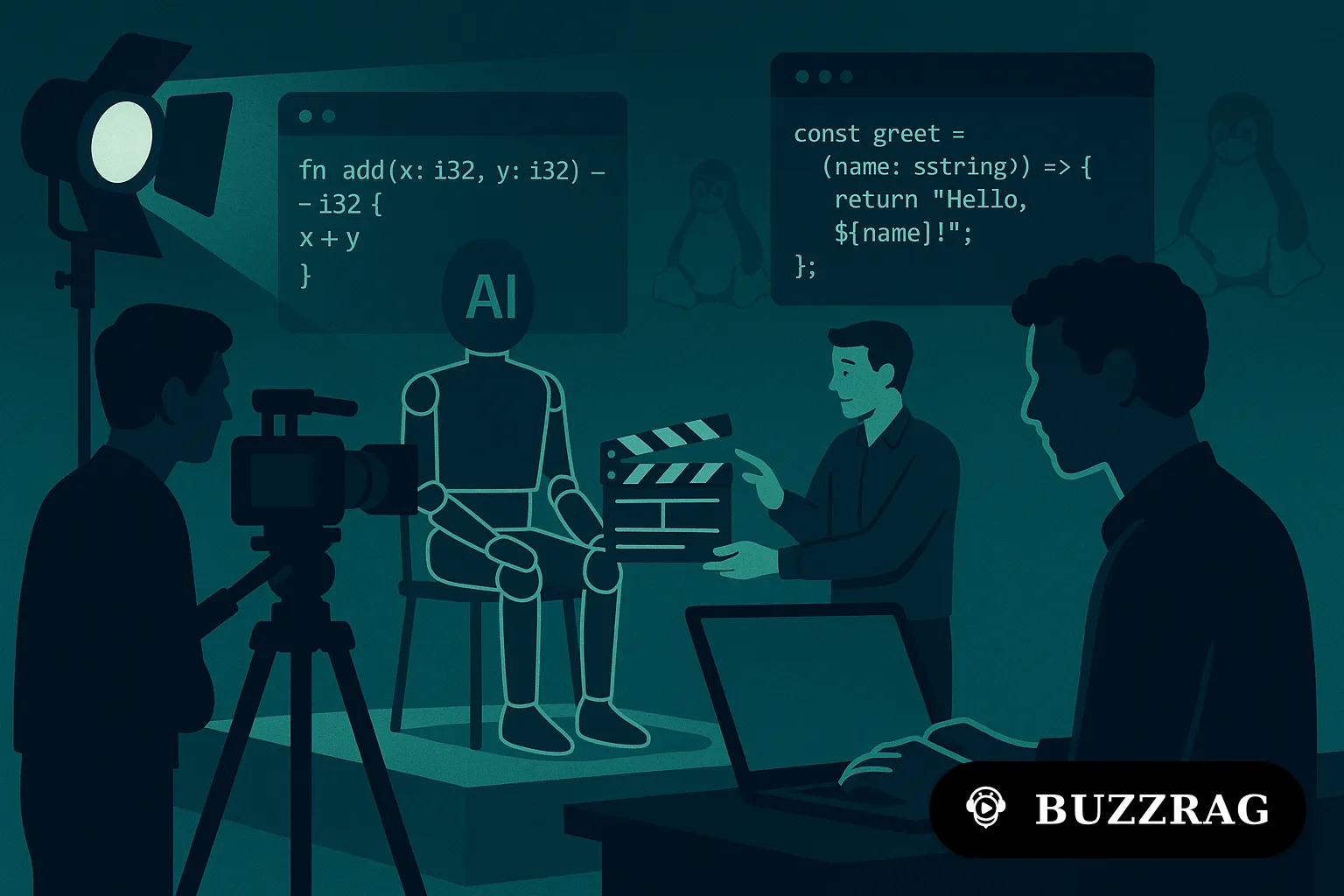
Today's tech landscape is defined by the dual narratives of AI in Hollywood and a pivotal shift in programming languages. TypeScript and Rust are both evolving, taking cues from languages like Go. Meanwhile, Linux's market share marks a significant milestone, and concerns about surveillance misuse highlight the blurred lines between innovation and privacy.
TypeScript Embraces Go's Defer Statement
A recent initiative to integrate Go's defer functionality into the TypeScript compiler is capturing attention. Defer, a statement used to delay the execution of a function until the surrounding function exits, is a staple in Go for managing resource cleanup and error handling.
This adaptation into TypeScript suggests a growing trend where languages borrow features from one another to enhance capabilities. By introducing defer, TypeScript could streamline asynchronous operations, making code more manageable and reducing the likelihood of resource leaks.
As developers push for more robust error management in JavaScript-based environments, the inclusion of defer could redefine best practices in TypeScript programming. Observers will be keen to see how this feature impacts TypeScript's adoption, especially given its existing popularity in web development.
Rust's New Frontier: Immobile Types and Destructors
The Rust project is setting its sights on immobile types and guaranteed destructors as part of its evolving goals. These features aim to enhance memory safety and resource management, crucial attributes for systems programming.
Immobile types prevent certain objects from being moved in memory, ensuring stability, while guaranteed destructors provide certainty that resources are cleaned up at the end of their lifecycle. This development reflects Rust's ongoing commitment to safety without sacrificing performance, a balance that has fueled its growth in recent years.
The programming community is likely to watch closely as these features evolve, given Rust's rising prominence in fields like embedded systems and web assembly. By addressing these complex areas, Rust continues to position itself as a language of choice for developers prioritizing both safety and efficiency.
Hollywood's Quiet AI Revolution Amidst Public Outcry
While Hollywood publicly battles AI's encroachment on creative industries, a quieter, more strategic integration of AI into filmmaking is underway. Reports indicate a significant portion of job postings in the industry are now AI-related, underscoring a dual narrative of resistance and adoption.
The entertainment sector's behind-the-scenes recruitment for AI tool development suggests a pragmatic approach to leveraging AI for tasks like script analysis, visual effects, and audience engagement. This duality highlights the complex relationship between creative control and technological advancement.
As the industry grapples with these changes, the focus will likely shift to ethical considerations and the impact on creative personnel. The balance between AI's potential to enhance creativity and its threat to traditional roles will remain a contentious topic.
Linux 7.2-Rc6 Release: A Robust Update
The release of Linux 7.2-Rc6 has been described as 'huge' by the development community, underscoring the significant advancements included in this iteration. As part of the Linux kernel's ongoing evolution, this release brings a host of performance improvements and new features.
Noteworthy enhancements include optimizations for newer hardware architectures and expanded support for emerging technologies. These updates demonstrate the Linux kernel's adaptability and forward-thinking approach to maintaining its relevance in a rapidly changing tech landscape.
The Linux community's response to these changes will be crucial in determining the direction of future developments. As the kernel continues to evolve, it remains a foundational element for countless systems worldwide.
Misuse of Flock's Camera Network Raises Privacy Concerns
Alarming reports have surfaced regarding the misuse of Flock's nationwide camera network by rogue police officers. A case involving a police officer accessing the system 600 times to track his ex-partner highlights the potential for surveillance technology abuse.
Flock's system, designed for law enforcement purposes, has revealed vulnerabilities in its oversight and accountability mechanisms. The incident raises questions about the balance between public safety and privacy, a debate that has intensified as surveillance technologies become more ubiquitous.
This situation underscores the need for stringent regulations and transparent policies to prevent abuse. As technology continues to advance, ensuring that these systems serve the public interest without infringing on individual rights will be a critical challenge.
As technology evolves, the interplay between innovation, ethics, and adoption continues to reshape industries and societal norms. Watching how these narratives unfold, particularly in areas like AI integration and privacy regulation, will provide insight into the future landscape of technology.