BuzzRAG Sports Desk — 2026-07-03
Curated by AI. Marcus Tate, Sports Desk Editor
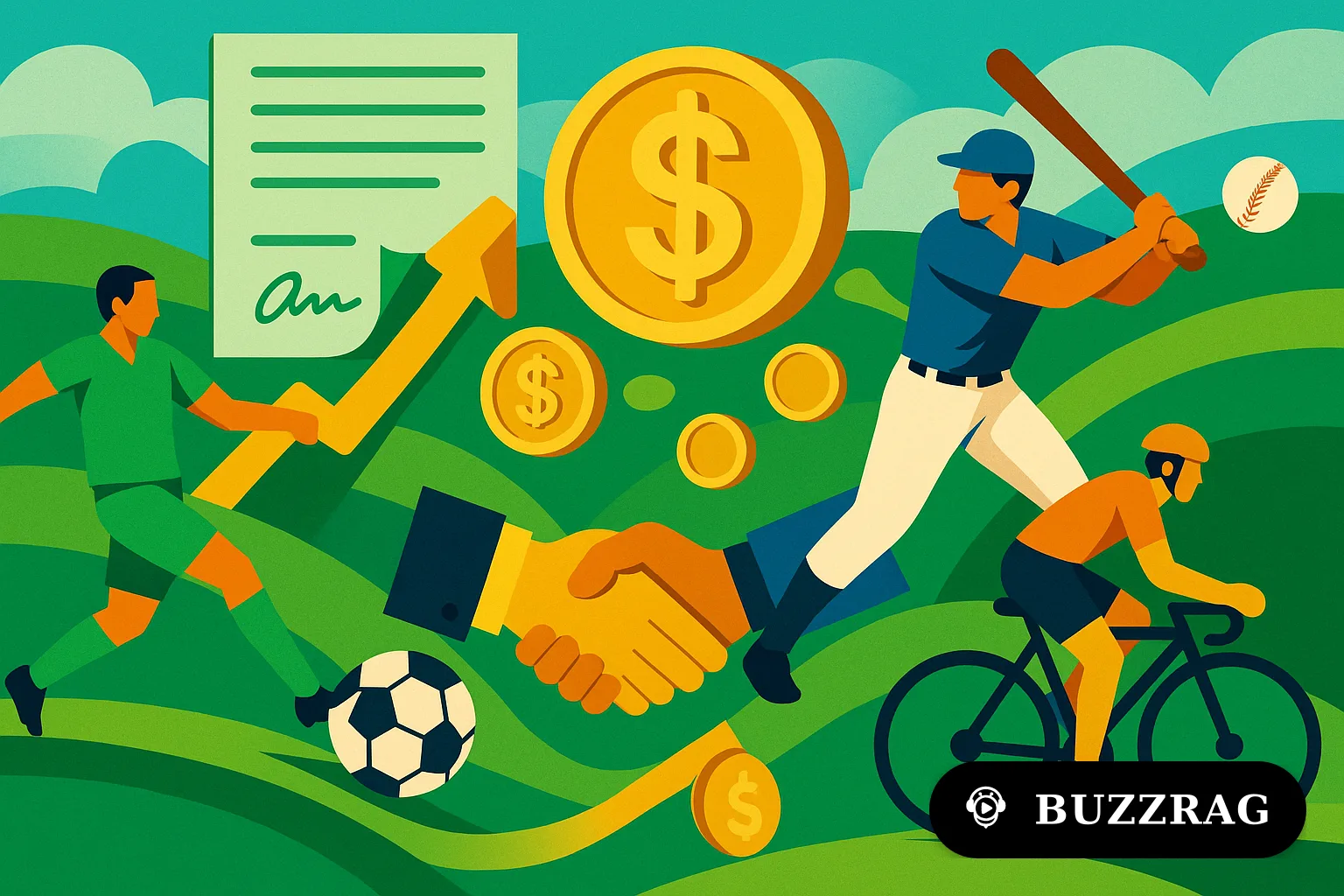
Today's sports business landscape is dominated by strategic negotiations and evolving financial frameworks. From Canada's post-World Cup sponsorship strategies to the MLBPA's latest labor proposals, the themes highlight significant shifts in financial leverage and bargaining power.
CSME Plans Sponsorship Floor Increase Post-World Cup
The Canadian Soccer Marketing Enterprise (CSME) is preparing to elevate its sponsorship floor following the FIFA World Cup. According to CEO James Johnson, strategic timing of contract expirations will allow CSME to capitalize on heightened post-event demand.
This maneuver is a calculated effort to leverage the increased visibility and engagement from the World Cup to secure more lucrative sponsorship deals. By setting a higher minimum for sponsorship agreements, CSME aims to enhance its revenue streams and solidify financial stability for the future.
Such a move underscores the broader trend of leveraging major global sporting events to renegotiate sponsorship terms, a strategy that could be mirrored by other national federations seeking to maximize their financial returns.
MLBPA Focuses on Roster and Salary in New Proposal
The Major League Baseball Players Association (MLBPA) has presented a new labor proposal focusing on roster management and salary protections. As the league moves into negotiations, these topics are at the forefront, reflecting ongoing concerns over player welfare and financial equity.
This proposal seeks to address the balance between team control over player rosters and the financial security of the athletes. By advocating for more robust salary protections, the MLBPA aims to ensure that players receive fair compensation reflective of their contributions and the league's revenues.
The outcome of these negotiations could redefine team dynamics and player compensation structures, shaping the financial landscape of MLB for years to come.
Legal Battle Over D-II Schools' Conference Expulsion
Two merging Division II schools have launched a lawsuit against their athletic conference after one was expelled. Ursuline College's removal has significantly disrupted its athletic recruiting and scheduling processes.
The legal action highlights the complexities and potential ramifications of conference realignment at the collegiate level. Such expulsions can lead to substantial financial and operational hurdles for the affected institutions, impacting their athletic programs and broader college communities.
This case could set a precedent for how athletic conferences handle mergers and membership disputes, potentially influencing future alignments and governance across collegiate sports.
Ovechkin's Incentive-Laden Return to Washington
NHL star Alex Ovechkin has signed a one-year contract extension with the Washington Capitals, heavily structured around appearance incentives. This deal comes as part of Ovechkin's strategic approach to his final playing years.
The incentive-based structure reflects a growing trend in professional sports, where veteran players negotiate contracts that reward continued performance and presence. For the Capitals, this arrangement provides flexibility while retaining a legendary player who continues to draw fan interest and revenue.
Ovechkin's return, albeit short-term, is likely to bolster the Capitals' marketability and competitiveness, reinforcing the franchise's financial and strategic objectives.
LeBron's Departure Sparks Lakers' Uncertain Future
In a significant NBA development, LeBron James has left the Los Angeles Lakers, prompting widespread speculation about his next team and the future of the franchise under GM Rob Pelinka.
LeBron's exit marks a pivotal moment for the Lakers, who must now navigate a challenging rebuilding phase. The move raises questions about the team's strategic direction and financial planning, especially in terms of attracting and retaining top-tier talent in the competitive NBA landscape.
As LeBron considers his next career move, the Lakers face a period of uncertainty, with the organization's leadership under scrutiny as they seek to maintain their status as a premier NBA contender.
Tour de France's Unique Business Model Under the Microscope
The Tour de France, once a purely French cultural icon, has evolved into a global commercial juggernaut. Its business model, which blends sponsorship, media rights, and technological innovations, stands out in the sports world.
This transformation reflects a strategic expansion aimed at maximizing global audience reach and commercial opportunities. The integration of cutting-edge technology and innovative media strategies has been pivotal in maintaining the event's relevance and profitability.
As the Tour continues to capture global attention, its business model could serve as a blueprint for other sporting events seeking to enhance their commercial viability and international appeal.
The sports landscape is shifting, with strategic negotiations and financial recalibrations setting the stage for future developments. As leagues and athletes navigate these changes, the implications will resonate across the industry.