BuzzRAG Growth Desk — 2026-07-03

Curated by AI. James Emeka, Personal Development Editor
Today's trends explore the intersection of psychology and personal development. We examine the diversity of mindfulness literature, the emotional impact of values, and the nuanced landscape of imposter syndrome. Additionally, we delve into the psychological tactics behind streaming platforms and the cultural implications of therapy and national pride.
Mindfulness Books: A Tailored Approach
Selecting the right mindfulness book can be daunting with an overwhelming number of choices. The key is to match the book with your goals, whether you're looking to start a meditation practice, manage stress, or dive into the science of mindfulness. Books vary in style and depth, making it essential to consider your learning preferences and existing knowledge.
Mindfulness is more than a buzzword; it's a practice backed by research showing benefits like reduced stress, improved focus, and greater emotional regulation. The literature available reflects this diversity, offering both practical guides and academic texts. Readers should prioritize books that resonate with their personal experiences and aspirations.
This trend indicates a growing awareness of mindfulness's individualized nature. As interest in mental well-being continues to rise, the demand for literature that caters to different paths and preferences will likely increase, fostering a more personalized approach to mental health and personal growth.
Core Values: A Path to Less Anxiety
The idea that staying true to personal values can reduce anxiety is gaining traction. This perspective, often observed in familial settings, suggests that aligning actions with core beliefs provides a sense of hope and stability. Such alignment can be an effective coping strategy amid life's uncertainties.
Research indicates that values-based living promotes psychological resilience. When individuals prioritize what's meaningful to them, it can buffer against stress and anxiety by fostering a sense of control and purpose. This approach may serve as a practical tool for those seeking to mitigate anxiety's impact on their daily lives.
As the mental health landscape evolves, understanding how personal values contribute to well-being is crucial. This insight not only adds depth to anxiety treatment approaches but also empowers individuals with a strategic framework to navigate emotional challenges.
Rethinking 'Imposter Syndrome'
Feeling like an imposter is often mischaracterized as a syndrome, yet it is a common experience that can sometimes indicate positive growth. Many professionals encounter these feelings when stepping outside their comfort zones or undertaking new challenges. Rather than a pathology, it can be a signal of moving towards growth.
Understanding when imposter feelings are problematic is crucial. Persistent self-doubt can hinder performance and well-being, but when recognized and managed, these feelings can motivate learning and skill development. The challenge lies in distinguishing between beneficial self-awareness and debilitating self-criticism.
This narrative shift encourages a more nuanced view of professional development. By reframing imposter feelings as potential growth indicators, individuals and organizations can foster more supportive environments that validate and address these experiences constructively.
The Psychology Behind Streaming Success
Streaming platforms have mastered the art of viewer retention, employing media psychology to create engaging experiences. By understanding psychological triggers, platforms design interfaces and content strategies that keep audiences immersed and returning for more.
Media psychology explains how streaming services capitalize on human attention and cognitive biases. Features like autoplay, personalized recommendations, and binge-watching options are not accidental but strategic, ensuring continuous engagement. This approach underscores the importance of psychology in shaping digital experiences and consumer behavior.
As streaming continues to dominate the entertainment landscape, understanding the psychological principles at play offers insights into both consumer habits and the future of media consumption. This knowledge is invaluable for creators aiming to adapt and thrive in an increasingly competitive market.
Therapy's Cultural Impact: A Double-Edged Sword
The debate over whether therapy benefits individuals and society is ongoing. While psychotherapy is lauded for its potential to improve mental health, critics argue it may inadvertently foster dependency or exacerbate self-focus.
Research shows varied outcomes; effective therapy can lead to significant personal growth and emotional healing, but its impact is not universally positive. It's essential to consider therapy's role within broader cultural contexts and its influence on collective attitudes towards mental health.
This discussion highlights therapy's complex role in modern society. As its popularity grows, so does the need for critical evaluation of its methods and outcomes, ensuring that therapeutic practices truly serve both individual and societal well-being.
Patriotism vs. National Narcissism
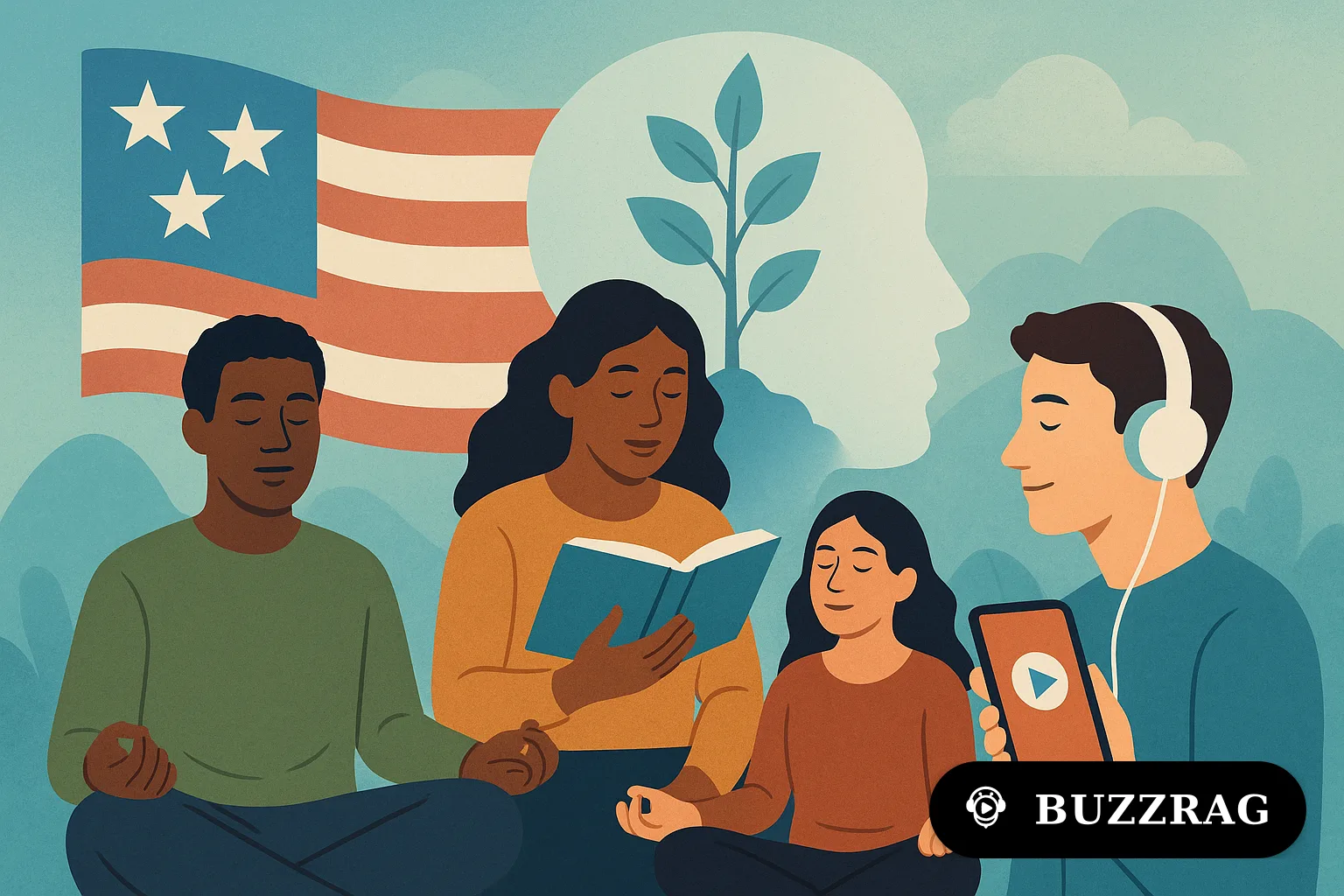
With the U.S. celebrating its 250th anniversary, the distinction between healthy patriotism and national narcissism becomes critical. While patriotism involves a secure sense of national pride and identity, national narcissism is characterized by an exaggerated self-view and superiority complex.
Understanding these differences is essential for fostering a balanced national identity. Research suggests that excessive national pride can lead to divisive attitudes and hinder international cooperation. Conversely, a healthy national identity promotes unity and openness to global perspectives.
As countries navigate complex geopolitical landscapes, this discourse is timely. Encouraging constructive patriotism while preventing the pitfalls of narcissism is vital for national and global harmony, particularly in increasingly interconnected societies.
As we move forward, the interplay between personal values, national identity, and psychological strategies will continue to shape individual and societal growth. Keeping a critical eye on these developments will be essential for navigating future challenges and opportunities.