BuzzRAG Growth Desk — 2026-07-02

Curated by AI. James Emeka, Personal Development Editor
Today's Growth Desk explores the deep roots of mindfulness beyond its Buddhist association, and highlights the often overlooked mental health struggles of new fathers. We also delve into identifying emotionally available partners and using poetry as a tool for personal growth.
Tracing Mindfulness Beyond Buddhism
Mindfulness is a practice that has seamlessly integrated into modern life, but its origins extend far beyond the confines of Buddhism. It draws on ancient contemplative traditions from across cultures, reflecting a rich tapestry of philosophical thought. Understanding this history not only enriches our practice but also broadens our appreciation of its universal applicability.
The global popularity of mindfulness, as seen through its integration into educational and therapeutic settings, underscores its perceived benefits for mental well-being. However, the diversity of its roots suggests that mindfulness can be adapted to various personal and cultural contexts, enhancing its relevance. By acknowledging this multifaceted heritage, practitioners can tailor mindfulness techniques to better suit individual and community needs.
Spotlight on Paternal Mental Health
The mental health of fathers during the postpartum period often goes unnoticed, despite its critical impact on family dynamics. The narrative typically centers on maternal experiences, leaving paternal struggles in the shadows. Addressing this gap, recent discussions emphasize the need for screening and support for new fathers, recognizing their unique mental health challenges.
This oversight can contribute to broader emotional gaps within families, as unaddressed paternal mental health issues affect parenting dynamics and child development. Increased awareness and proactive mental health assessments for fathers can foster healthier family environments and ensure comprehensive support systems.
Understanding Visions Before Death
Near-death experiences often reveal vivid visions and emotional responses, sparking curiosity about their origins and meanings. A new theory posits that these experiences are not only universal but also deeply personal, shaped by individual life narratives and psychological states. This perspective invites a more nuanced understanding of end-of-life experiences, blending the universal with the personal.
Exploring these phenomena offers insights into the human psyche, enhancing our grasp of consciousness and existential processes. By considering the interplay between universal patterns and personal histories, we can better appreciate the complexity of human experience, particularly in its final stages.
Identifying Emotionally Available Partners
In the quest for meaningful relationships, identifying emotionally available partners is as crucial as spotting red flags. Emotional availability indicates a readiness and capacity for genuine connection, characterized by openness, empathy, and reliability. These 'green flags' can serve as guideposts for individuals seeking fulfilling and stable partnerships.
Understanding these signs can transform how we approach relationships, encouraging healthier interactions and deeper connections. As emotional availability becomes a focus in relationship dynamics, individuals are better equipped to build and sustain relationships that are mutually supportive and growth-oriented.
Poetry as a Therapeutic Tool
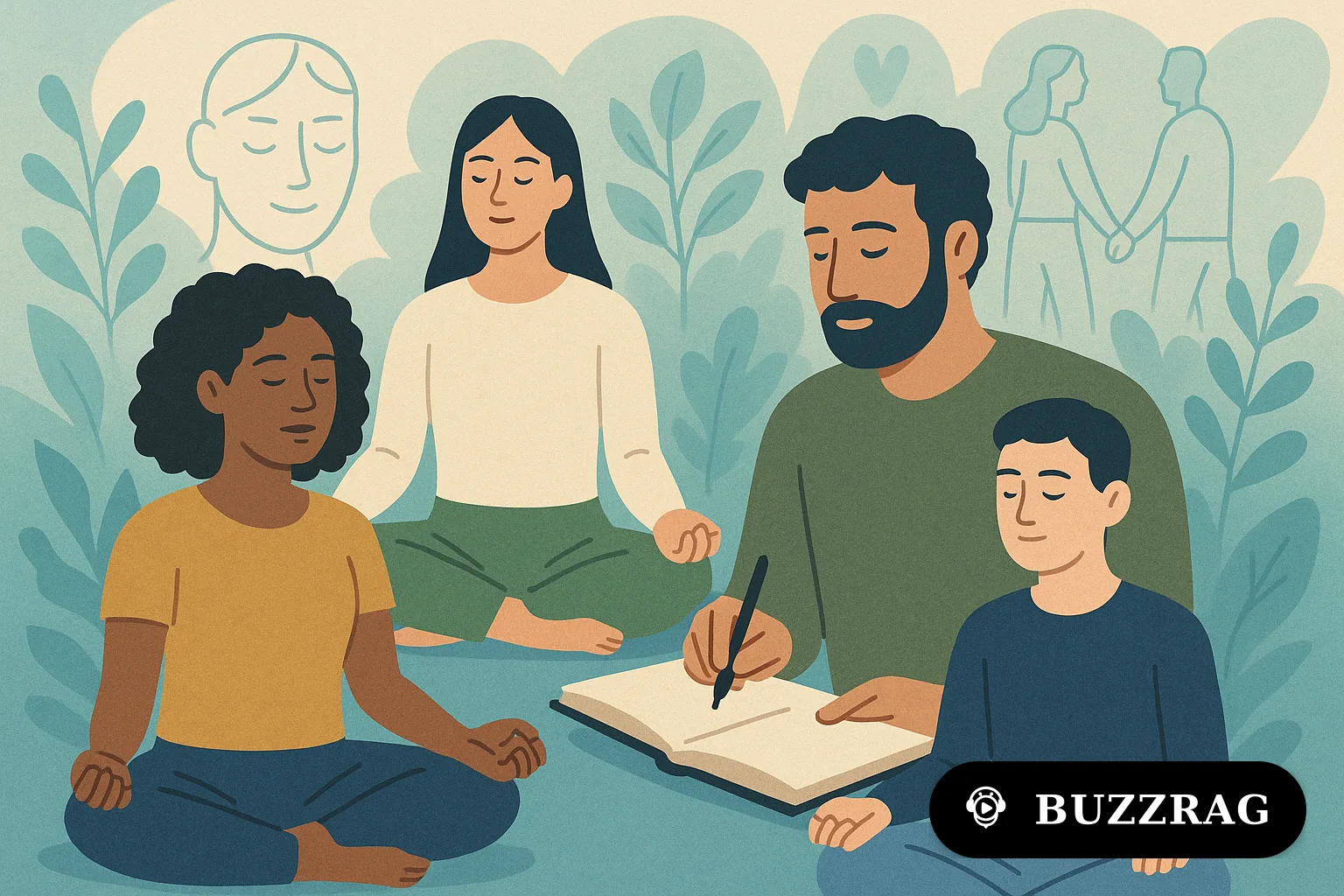
Using poetry in therapy offers an introspective path to personal growth, enabling individuals to explore emotions and experiences in a creative format. This practice allows for the articulation of complex feelings and fosters a deeper understanding of oneself. Poetry's therapeutic potential lies in its ability to transform abstract emotions into concrete expressions.
Therapists and clients alike find that writing poetry can illuminate aspects of their psyche that might remain hidden through conventional dialogue. This creative process not only aids in emotional healing but also enhances cognitive and emotional awareness, contributing to overall personal development.
Breaking Codependency Cycles
Codependency in relationships can trap individuals in cycles of unhealthy dependency and emotional imbalance. Recognizing these patterns is the first step towards breaking free and establishing healthier relationship dynamics. This involves fostering self-awareness, setting boundaries, and cultivating a sense of individuality within partnerships.
Empowering individuals to overcome codependency can lead to more balanced, fulfilling relationships where both parties can thrive independently and together. By addressing these issues, people can enhance their emotional resilience and improve their interpersonal interactions, contributing to overall well-being and personal growth.
As we continue to explore the landscape of personal growth, the integration of traditional practices with modern life remains a central theme. Keep an eye on how these discussions evolve, particularly as they impact mental health, relationships, and educational transitions.