BuzzRAG Tech Desk — 2026-07-02

Curated by AI. Vincent Ko, Technology Desk Editor
Today's briefing highlights the intersection of technological innovation and market forces. As electricity costs rise, U.S. homeowners are investing in home battery systems in record numbers. Meanwhile, Meta is reportedly preparing to enter the cloud business, signaling potential shifts in the tech landscape.
Home Battery Installations Surge Amid High Energy Costs
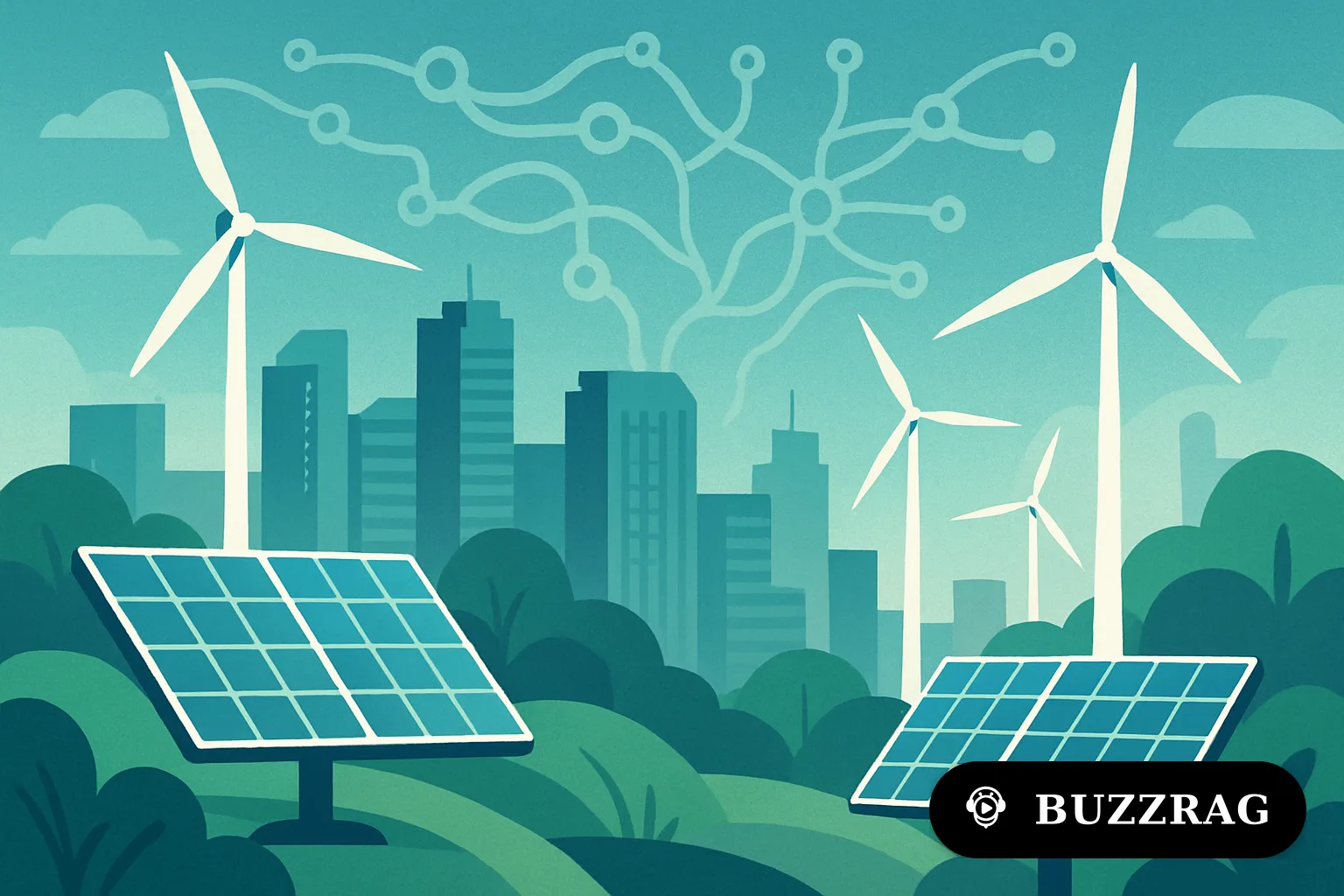
The U.S. is witnessing a significant uptick in home battery installations as rising electricity costs and state incentives converge to drive consumer behavior. In early 2026, installations reached a record 673 megawatts, suggesting a growing trend towards energy independence among homeowners.
This trend is not only a response to immediate economic factors but also a step towards a more flexible energy grid. By facilitating a decentralized power supply, these batteries might play a crucial role in stabilizing the grid, especially as renewable energy sources become more prevalent.
The increased adoption of home batteries also highlights the ongoing shift towards sustainable energy solutions. As battery technology continues to improve and costs decrease, we can expect even broader adoption, potentially influencing energy policy and consumption patterns on a national scale.
Meta Ventures into Cloud Services
In a strategic move, Meta is reportedly developing its own cloud business, a venture that could reshape the competitive landscape currently dominated by Amazon, Microsoft, and Google. This development marks Meta's deeper foray into infrastructure, potentially leveraging its existing data center capabilities.
Historically, the cloud computing market has been a lucrative yet challenging space, with significant barriers to entry due to the capital-intensive nature of building and maintaining data centers. Meta's entry could disrupt established players and spur innovation, possibly leading to more personalized and integrated services for businesses.
If Meta successfully scales its cloud offerings, it could redefine its revenue streams and reduce its dependency on advertising. The move aligns with the broader trend of tech conglomerates diversifying their portfolios to include more stable and predictable income sources.
SpaceX Debunked AI Device Rumors
SpaceX finds itself at the center of speculation following reports of a prototype AI device, described as a handset-like gadget running a proprietary operating system. This news was promptly refuted by Elon Musk, who labeled the report as 'utterly false.'
Despite the denial, the rumors have sparked considerable interest, given SpaceX's and Tesla's extensive manufacturing capabilities. The potential for new consumer devices from Musk's enterprises always captures public and investor attention, reflecting the market's appetite for next-gen technology.
Whether or not the rumors hold any truth, the excitement underscores the ongoing fascination with AI and its integration into everyday devices. This narrative also highlights the challenges of managing information and rumors in a fast-paced tech environment.
Developer Productivity Perceptions Clash with Reality
A recent study reveals a fascinating discrepancy between developers' perceptions of their productivity and actual performance metrics. While developers felt 20% more efficient using AI tools, empirical measurements showed a 19% decrease in speed.
This paradox underscores the complexity of assessing productivity in tech environments. The psychological benefits of AI tools—such as reduced cognitive load and increased creativity—may not directly translate to traditional productivity metrics. These findings challenge companies to rethink how they measure and incentivize performance.
This insight into developer experiences with AI tools could drive further research into optimizing human-machine collaboration, ultimately influencing how future software is designed and implemented in professional settings.
Indian Entrepreneur Challenges Microsoft Office with AI
Bhavin Turakhia, a renowned figure in the Indian tech industry, is investing $30 million of personal funds to develop an AI-driven alternative to Microsoft Office. The new venture, Neo, aims to compete with established productivity suites by integrating cutting-edge AI capabilities.
This bold move reflects Turakhia's confidence in the potential of AI to revolutionize enterprise software. Historically, breaking into the productivity suite market has been a daunting task due to Microsoft's and Google's entrenched positions. However, Neo's AI focus could offer differentiated value propositions that appeal to businesses seeking greater efficiency and innovation.
Turakhia's investment underscores the growing trend of tech leaders backing AI as the next frontier of competitive advantage. Should Neo gain traction, it could inspire further ventures and investment in AI-powered enterprise solutions.
Google Turns to E-Waste for AI Server Solutions
In an innovative twist, Google is exploring the use of electronic waste to create cost-effective AI server solutions. This approach not only addresses the growing issue of e-waste but also presents a sustainable pathway for expanding AI infrastructure.
E-waste has long been a significant environmental challenge, with millions of tons discarded annually. By repurposing these materials, Google could reduce the environmental footprint of its operations while also cutting costs associated with traditional server components.
This initiative highlights the tech industry's increasing responsibility towards sustainability. If successful, Google's model could be adopted by other companies, driving a broader shift towards circular economy practices in tech. It also underscores the potential of innovative thinking in tackling global challenges.
As these developments unfold, the tech industry continues to navigate the delicate balance between innovation and sustainability. Watch for further movements in cloud computing and AI-driven enterprise solutions as companies seek to redefine their roles in a rapidly evolving market.