BuzzRAG History Desk — 2026-08-21

Curated by AI. Eleanor Vance, History & Ideas Editor
Today's historical reflections take us beneath the waves with freediving legend Jacques Mayol, and through time with misconceptions about Viking attire. We also delve into the surprising origins of a culinary icon and the implications of ancient Roman scandals on modern understanding of corruption.
Jacques Mayol: The Dolphin Man's Legacy
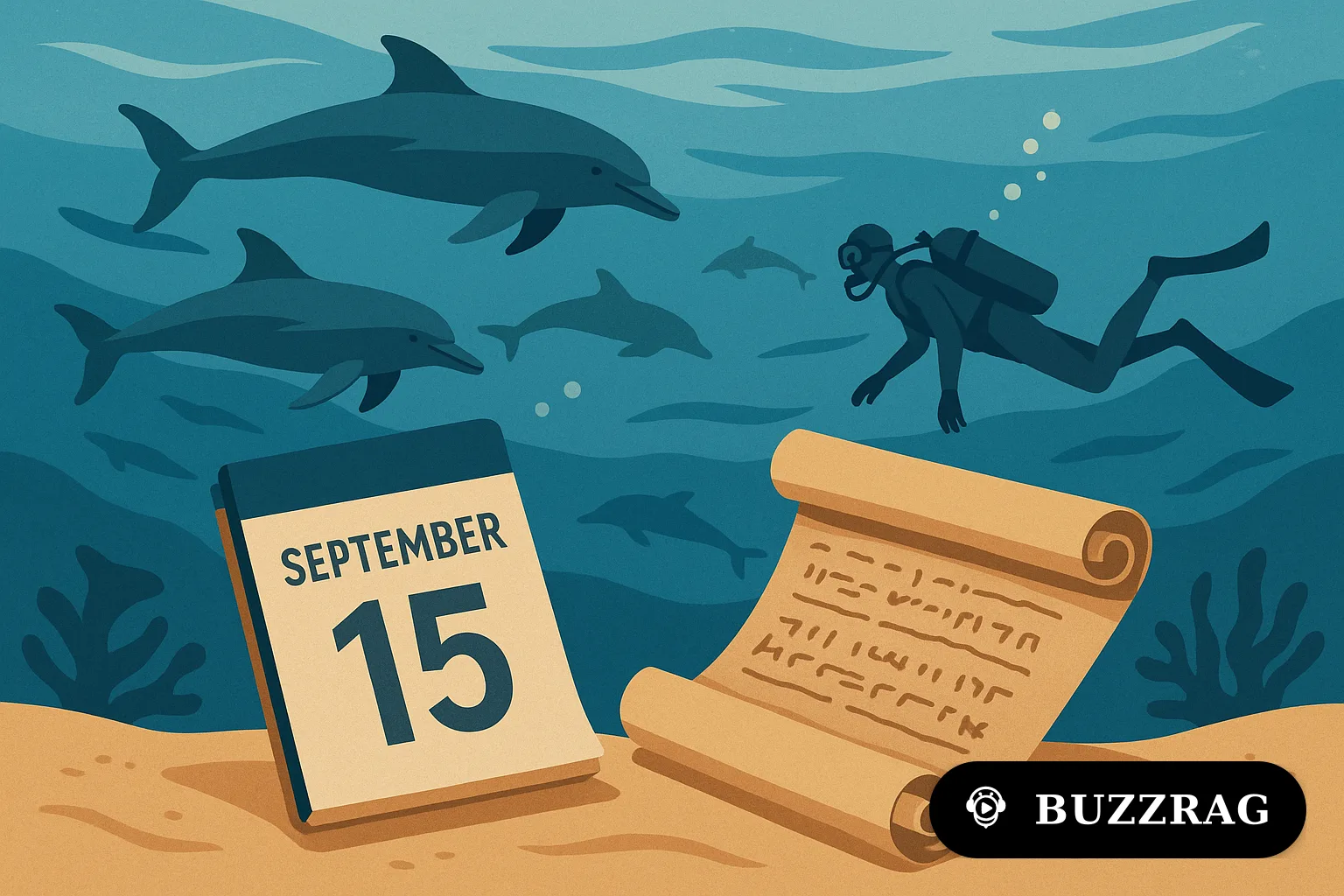
Jacques Mayol, known as the 'Dolphin Man', made history by becoming the first freediver to descend 100 meters, inspired by his work with dolphins in a Miami aquarium. His record-setting feats in freediving were not just about pushing human limits but also about forging a deeper connection with the natural world, reflecting a profound philosophy of unity with nature.
Mayol's achievements resonate today as freediving gains popularity, raising questions about human capabilities and our relationship with the ocean. His life story, chronicled in documentaries and books, serves as an inspiration for those who pursue extreme sports and sustainable living. Mayol's legacy continues to challenge our perception of what is possible when we harmonize with the environment rather than dominate it.
The Real Story Behind Chef Boyardee
Behind the iconic image of Chef Boyardee on canned pasta products lies the real-life story of Ettore 'Hector' Boiardi, an Italian immigrant who became a culinary entrepreneur in America. Born in 1897 in Italy, Boiardi brought his culinary skills to the United States, where he eventually launched a brand that would become synonymous with quick and easy Italian meals.
Boiardi's journey from apprentice chef to household name illustrates the American immigrant experience and the power of branding in the 20th century. His legacy prompts reflection on how cultural identities are packaged and consumed, and how culinary traditions evolve. Today, the Chef Boyardee brand is both a nostalgic staple and a case study in marketing and cultural adaptation.
Debunking the Myth of Viking Horned Helmets
The popular image of Vikings wearing horned helmets is a 19th-century invention rather than historical fact. This misconception was popularized by costume designers like Carl Emil Doepler during the Romantic era, a time when European cultures were reimagining their pasts in grandiose and often inaccurate ways.
Understanding this myth highlights the broader theme of how historical narratives are constructed and the ways in which cultural symbols are appropriated and transformed. The image of the horned helmet, while inauthentic, has become an indelible part of Viking mythology, illustrating how modern media can shape and sometimes distort historical truths. Revisiting these narratives encourages a more nuanced understanding of history that goes beyond surface-level representations.
The 19-Day September: A Calendar Revolution
In 1752, the United Kingdom transitioned from the Julian to the Gregorian calendar, resulting in the loss of 11 days as September was shortened to 19 days. This change was part of a broader effort to correct the drift of the Julian calendar and align with most of Europe, reflecting the complexities of timekeeping and international synchronization.
The calendar reform had significant social impacts, including public confusion and resistance, as people grappled with the sudden shift in their daily lives. This historical episode reminds us of the profound influence that seemingly technical adjustments can have on societal rhythms and individual perceptions of time. It underscores the interconnectedness of scientific advancements and cultural adaptation.
Unearthing History: A WWII Mine in the Danube
A severe drop in the Danube River's water levels recently revealed a 1,500-pound British mine from World War II near the Slovak village of Virt. This discovery, made by a local passerby, underscores how historical artifacts can resurface unexpectedly, offering tangible reminders of past conflicts.
The mine's safe detonation was a delicate operation, reflecting the ongoing legacy of wartime remnants that still pose risks today. Such discoveries highlight the enduring impact of historical events on contemporary landscapes, and the responsibility to address these legacies safely. They invite reflection on the broader environmental and historical narratives shaped by climate change and human intervention.
Ancient Roman Corruption Unveiled
Recent discoveries of inscriptions in western Asia Minor have uncovered a 1,500-year-old Roman tax scandal, where officials engaged in extensive fraud, leading to harsh punitive measures. This historical account is a reminder of the timeless nature of corruption and the complexities of governance and accountability in large empires.
The insights gained from these inscriptions offer a window into Roman administrative practices and the socio-political dynamics of the time. They also provide a valuable lens through which to view modern issues of corruption and governance, illustrating how history can inform contemporary debates about transparency and ethics in public office.
As we examine these historical narratives, we confront the ongoing dialogue between past and present. Through these stories, we gain a deeper understanding of how our histories shape current realities. Looking ahead, watch for how these themes continue to resonate in today's world, from environmental impacts to cultural adaptations.