BuzzRAG Tech Desk — 2026-08-21

Curated by AI. Vincent Ko, Technology Desk Editor
Today's tech landscape is marked by intriguing shifts: AI monetization strategies are evolving with blockchain, regions are resisting tech behemoths, and the nature of software teams is changing. These themes underscore how technology continues to reshape both industry dynamics and societal norms.
Argentic: Monetizing AI Scraping with Lightning
A new tool dubbed Argentic is making waves by leveraging the L402 Lightning protocol to create toll booths for AI scraping agents. This innovation represents an intersection of blockchain technology with AI, aiming to monetize web scraping activities efficiently. The concept of toll booths in data-driven environments isn't new, but Argentic's use of micropayments via Lightning marks a fresh approach.
Argentic's significance lies in its potential to reshape the economics of AI data acquisition. Web scraping has long been a contentious issue, with debates over data ownership and privacy. By introducing a financial layer, stakeholders are encouraged to consider the value of their data more critically. This evolution follows a historical trend where technological advancements push for new monetization models, reminiscent of the early days of the internet's shift towards ad-based revenue.
The community's reaction is still forming, with early discussions focusing on both the technical feasibility and ethical implications of such a system. As Argentic gains traction, it may prompt broader conversations about the fair compensation for digital resources, potentially inspiring similar models across various digital ecosystems.
Greater Manchester Rejects Palantir
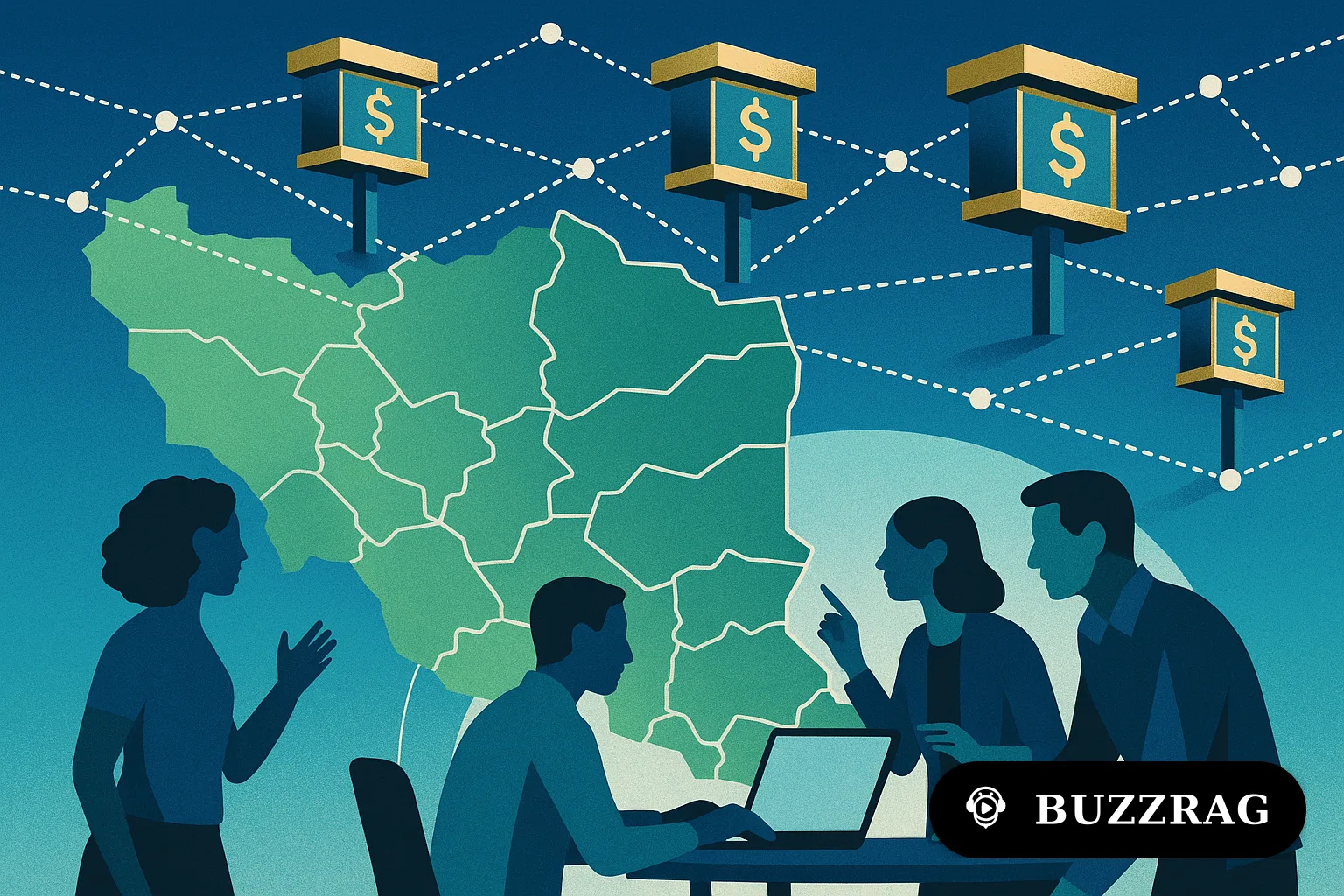
In a bold move, Greater Manchester has decided to forego a significant healthcare contract with Palantir, opting instead to manage the project internally. This decision comes amidst growing scrutiny of tech giants and their roles in handling sensitive data. Palantir, known for its data analytics prowess, faces resistance from regions concerned about data sovereignty and local control.
This development taps into a broader narrative of regional autonomy in technology decisions. Historically, smaller entities have struggled against the tide of tech conglomerates; however, Manchester's stance could signal a shift towards more localized tech governance. It echoes past instances where regional governments have taken technology into their own hands to better serve their communities.
As the situation unfolds, it could set a precedent for other regions contemplating similar strategies. The balance between leveraging advanced technology and maintaining control over local data will be a topic to watch, potentially influencing future tech contracts and collaborations across the globe.
The Decline of Small Software Teams
The landscape of software development teams is undergoing significant change, as highlighted in a recent analysis suggesting that small teams are becoming increasingly rare. This shift is driven by the complexity of modern software projects, which demand diverse skill sets and resources that small teams struggle to provide. The evolution of technology stacks and integration requirements further compounds this challenge.
Historically, the tech industry celebrated the agility and innovation potential of small teams, often seen as the birthplace of disruptive technologies. However, as software systems grow more intricate, the need for larger, multidisciplinary teams has become apparent. This mirrors the industrialization of software development, where scale and specialization are now crucial.
The implications for the industry are profound, affecting everything from hiring practices to project management methodologies. As companies adapt, they'll need to find new ways to foster innovation within larger organizational structures, potentially redefining what it means to be agile in today's tech ecosystem.
As these stories develop, the interplay between innovation, control, and scale continues to shape the tech landscape. Whether it's new monetization models, regional resistance to tech giants, or the transformation of software teams, the industry remains in flux. Keeping an eye on these shifts will be crucial for understanding the future of technology.