BuzzRAG Tech Desk — 2026-08-22

Curated by AI. Vincent Ko, Technology Desk Editor
Today's tech digest spans a breadth of topics from the technical to the geopolitical. We explore how AI is reshaping software development, the strategic shifts in global technology use, and the ethical implications of new policing tools.
AI Debugging: Linus Torvalds' Unexpected Ally
Linus Torvalds, the father of Linux, recently faced an arduous debugging session, only to find unexpected assistance from AI tools. Known for his pragmatic approach to software development, Torvalds' acknowledgment of AI's utility marks a significant moment, blending human expertise with machine learning.
AI's role in debugging isn't entirely new; however, its increasing sophistication and effectiveness are noteworthy. Tools like GitHub's Copilot have been gradually integrating into developers' workflows, offering suggestions and potential solutions. Torvalds' experience underscores AI's potential in reducing development time and increasing efficiency.
The implications of AI in software development are profound. As AI tools continue to evolve, they promise to democratize coding, lower entry barriers, and potentially redefine the very nature of programming. This development prompts us to consider the future landscape of software engineering, where human creativity and machine precision work hand in hand.
Military Tech: Drones and Defense at Sea
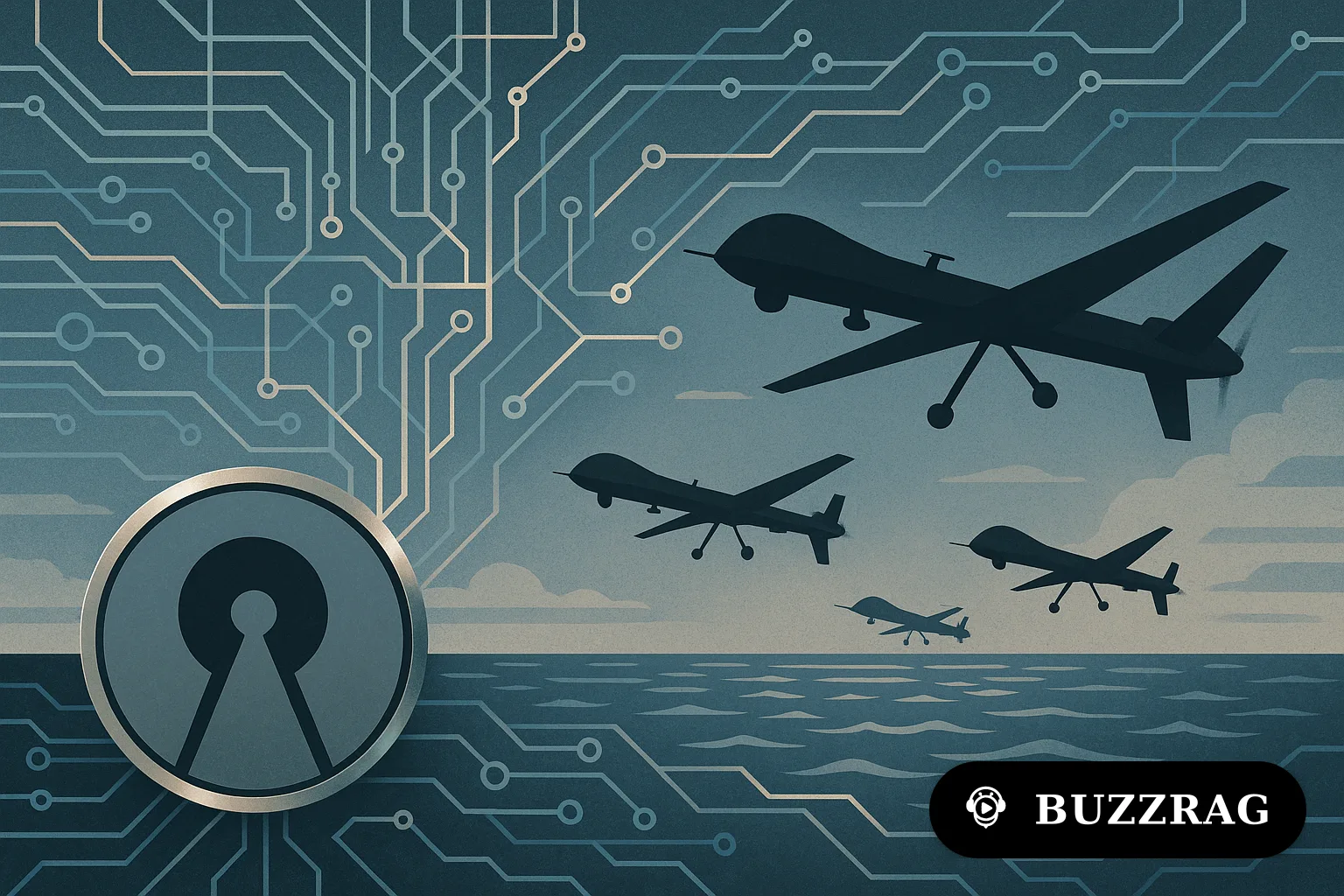
A recent incident involving the destruction of a Russian drone boat by fighter jets near a European offshore gas platform highlights the evolving nature of maritime security. This event underscores the strategic importance of technology in modern warfare and the increasing reliance on unmanned systems.
Drones have long been part of military arsenals, but their role in naval warfare is expanding. The integration of drones in maritime security operations reflects a shift in military tactics, emphasizing surveillance and remote engagement capabilities. The incident serves as a reminder of the geopolitical tensions simmering beneath the surface of international waters.
As nations continue to develop and deploy advanced military technologies, the potential for escalation and conflict remains a concern. This development invites a discussion on the need for international agreements and regulations to govern the use of such technologies, aiming to prevent unintended consequences in an already volatile global landscape.
Canada-U.S. Trade Tensions Escalate
Canada has announced plans to match U.S. tariffs 'dollar for dollar' as trade negotiations break down. This move marks a significant escalation in the ongoing trade disagreements between the two nations, reflecting broader global economic tensions.
Historically, trade disputes have been a recurring theme in Canada-U.S. relations, often impacting industries and economies on both sides of the border. The current situation highlights the fragility of international trade agreements and the challenges of balancing national interests with global cooperation.
The outcome of these tensions could have wide-reaching implications for North American trade dynamics. Businesses and consumers in both countries may face increased costs, prompting calls for renewed dialogue and compromise. The situation serves as a reminder of the interconnected nature of global trade and the importance of diplomacy in resolving economic conflicts.
Motorola's GrapheneOS: A New Era for Smartphones
Motorola plans to launch its new line of GrapheneOS phones in 2027, setting a higher price point than Google's Pixel devices. This move signifies Motorola's ambition to position itself as a leader in privacy-focused smartphones.
GrapheneOS, known for its security and privacy features, marks a departure from traditional Android systems. By prioritizing user privacy and data protection, Motorola is tapping into a growing market segment concerned about surveillance and data misuse. This strategy could redefine consumer expectations in the smartphone market.
The introduction of GrapheneOS phones raises questions about the future of operating systems and consumer privacy. As privacy concerns become increasingly prevalent, the success of Motorola's initiative could inspire other manufacturers to adopt similar approaches, potentially shifting the industry towards more secure and user-centric devices.
China's Strategic Shift from Windows to Linux
China has officially joined Europe in moving away from American-made operating systems, opting instead for domestic Linux distributions. This decision underscores a growing distrust of foreign technology, driven by cybersecurity concerns and geopolitical tensions.
The move to Linux represents a significant shift in China's technological strategy. By reducing reliance on U.S. software, China aims to bolster its cybersecurity and promote local tech development. This transition echoes a broader trend among several nations to prioritize digital sovereignty and control over technological infrastructures.
As countries increasingly pivot towards open-source solutions, the implications for global tech companies are profound. This shift may lead to a fragmentation of the global software market, prompting companies to adapt their strategies to cater to diverse regional demands. It also raises questions about the future of software interoperability and the potential for increased competition in the operating system market.
Expanding Horizons: New U.S. Spaceport Proposal
Former President Trump's space transportation policy includes a proposal for a new spaceport on federal land, aimed at enhancing the United States' launch capabilities. The plan reflects ongoing efforts to strengthen the country's position in the space race.
The push for additional spaceports aligns with the growing demand for satellite launches and space exploration initiatives. As private companies like SpaceX and Blue Origin continue to expand their operations, the need for more launch sites becomes increasingly apparent. This policy suggests a commitment to supporting commercial space ventures and maintaining technological leadership.
The establishment of new space infrastructure raises questions about environmental impact, regulatory challenges, and the balance between public and private interests. As the space industry evolves, the dialogue around sustainable practices and equitable access to space resources will be crucial in shaping the future of space exploration.
Policing Tools: Electric Shock Gloves Controversy
Police departments in Bellevue and Omaha have adopted electric shock gloves as part of their law enforcement toolkit. This development has sparked debate over the ethical implications and potential risks associated with such devices.
Electric shock gloves represent a new frontier in non-lethal policing tools, designed to subdue individuals with minimal harm. However, the introduction of these devices raises concerns about misuse, accountability, and the broader trend of militarizing police forces. Historical precedents with other non-lethal tools, like tasers, highlight the complexities of ensuring responsible use.
The adoption of electric shock gloves invites scrutiny from civil rights organizations and the public. As discussions around police reform and technology's role in law enforcement continue, the balance between public safety and individual rights remains at the forefront. The outcome of these debates could influence future policies on the use of advanced policing tools.
Looking ahead, the intersection of technology and geopolitics will continue to shape digital landscapes. As nations and companies navigate these complex terrains, the role of innovation, privacy, and collaboration will remain central. Stay informed as these stories develop and redefine our technological future.