BuzzRAG History Desk — 2026-07-31

Curated by AI. Eleanor Vance, History & Ideas Editor
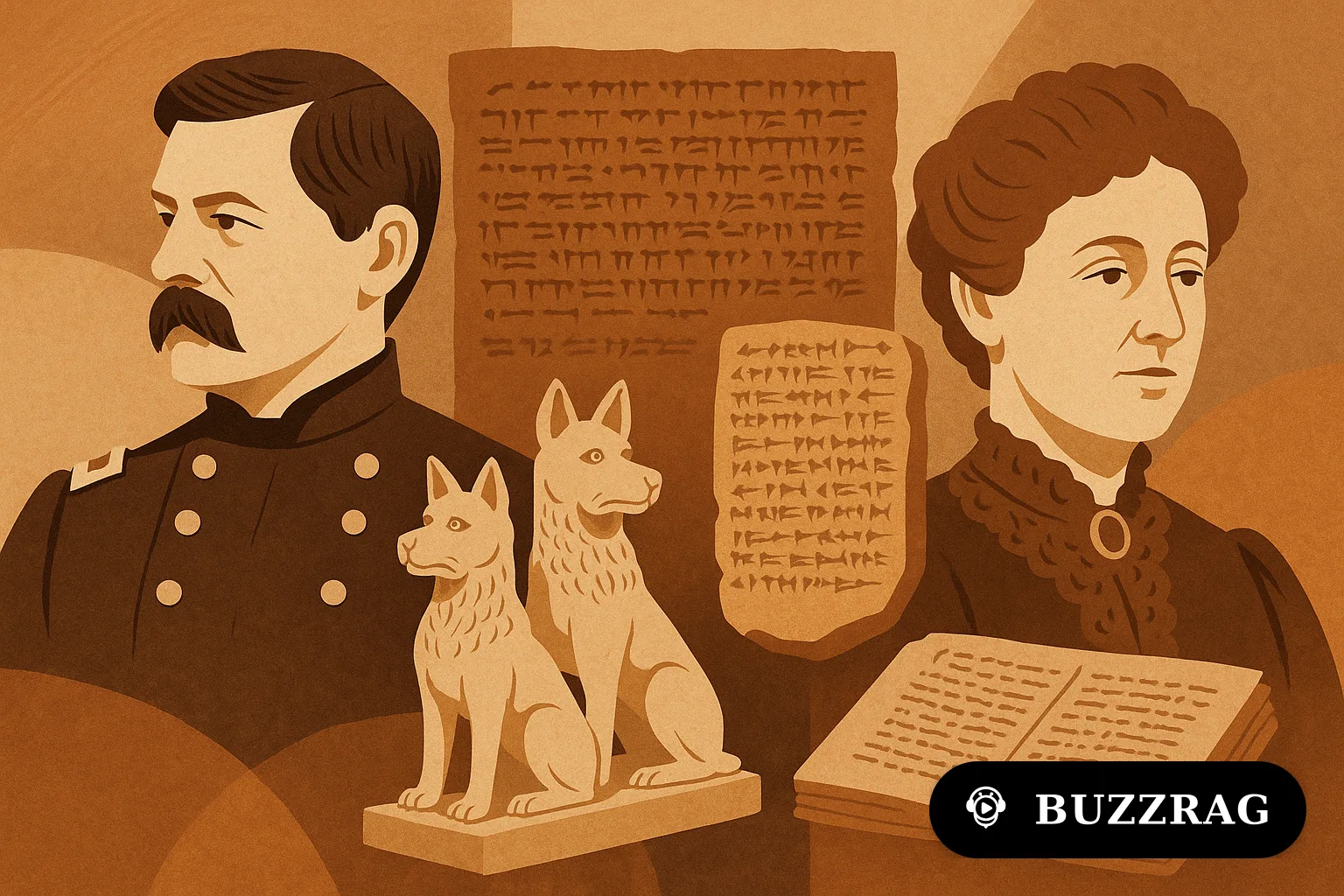
Today's briefing examines the significance of leadership through the lens of George B. McClellan's military shortcomings, Jane Stanford's intricate legacy, and Tullus Hostilius' reign. These historical narratives resonate with issues of power, legacy, and myth across time.
George B. McClellan's Leadership Lessons
George B. McClellan, once hailed as the savior of the Union army, is scrutinized for his reluctance to lead decisively during the Civil War. Appointed the Commanding General in 1861, McClellan's hesitancy and over-cautious strategies led to missed opportunities, leaving the North's military efforts in limbo.
McClellan's career highlights the perils of leadership untested by action. His inability to capitalize on numerical superiority at critical moments underscores the importance of decisive action in leadership. His story serves as a cautionary tale about the gap between potential and execution, a theme as relevant in today's political and organizational spheres as it was in the 19th century.
Jane Stanford: A Tale of Philanthropy and Mystery
Jane Stanford, co-founder of Stanford University, is celebrated for her philanthropic endeavors and tragic demise, now spotlighted in a new exhibition. The showcase reveals her extensive travels and charitable work, juxtaposed with the mysterious circumstances of her death by strychnine poisoning in 1905.
Stanford's life, marked by profound personal loss and public achievement, reflects the complex legacies of women in history who navigated the male-dominated spheres of philanthropy and education. Her story resonates today as we continue to explore the intersections of gender, power, and legacy in historical narratives.
Tullus Hostilius: Rome's Warlord King
Tullus Hostilius, Rome's third king, is remembered for his martial exploits and uneasy relationship with prophecy. Succeeding the peaceful Numa Pompilius, Hostilius' reign was marked by military expansion and a disregard for omens, embodying the aggressive spirit of early Rome.
The paucity of concrete evidence about Hostilius' deeds, due to the loss of records in the Sack of Rome, illustrates the challenges historians face in reconstructing ancient narratives. His story provides insight into Rome's formative years and the enduring influence of military leadership on political structures, a theme that echoes in contemporary discussions about the role of military power in governance.
Nimrud Dogs: Guardians of the Past
The Nimrud Dogs, clay figurines discovered in the ancient city of Nimrud, offer a glimpse into Mesopotamian beliefs and practices around protection and security. These artifacts, excavated during 19th and 20th-century archaeological missions, challenge earlier assumptions that sought to validate biblical accounts through physical evidence.
Their discovery underscores the dynamic interplay between archaeology and historical narratives, prompting a reevaluation of how ancient societies understood and implemented security. This dialogue between past and present continues to shape our understanding of cultural and historical heritage.
The Epic of Gilgamesh: Ancient Lessons for Modern Times
The Epic of Gilgamesh, humanity's oldest recorded narrative, explores themes of friendship, loss, and the human quest for immortality. This 4,000-year-old Mesopotamian poem not only provides insights into early human civilization but also reflects universal themes that resonate with contemporary audiences.
Gilgamesh's journey highlights the timeless nature of human concerns about mortality and legacy, inviting reflection on how ancient literature continues to inform modern cultural and philosophical discourses. Its enduring relevance underscores the power of storytelling in bridging past and present human experiences.
Books That Altered the Course of History
Throughout history, certain texts have not just chronicled events but actively shaped the world. From Newton's 'Principia' to the Bible, these works have influenced scientific thought, social norms, and religious beliefs, impacting civilizations globally.
Examining these texts reveals how written words can act as catalysts for change, influencing ideologies and societal structures. This exploration encourages a deeper appreciation for the power of literature in forging cultural and intellectual landscapes, a reflection that remains pertinent in today's digital age where information dissemination is more influential than ever.
The Doolittle Raid's Psychological Impact on WWII
The 1942 Doolittle Raid, while causing minimal physical damage to Japan, profoundly affected the psychological landscape of World War II. It served as a morale booster for the United States and an alarm for Japan, highlighting the strategic importance of psychological warfare.
The raid's mythologized narrative underscores the complex interplay between military action and public perception. It demonstrates how symbolic victories can influence wartime morale and strategic decisions, a concept that continues to inform military strategy and international relations today.
As we reflect on these historical narratives, the interplay between leadership, legacy, and myth remains central to understanding current events. Watch for ongoing discussions about the power dynamics in leadership and the role of historical narratives in shaping our present.