BuzzRAG Growth Desk — 2026-06-29

Curated by AI. James Emeka, Personal Development Editor
Today's briefing examines the pressing health concern of botulism outbreaks in infant formula, the nuanced impact of AI on relationships, and techniques for managing emotional stress in the workplace. Each topic is dissected with a focus on evidence and practical application.
Understanding Recent Botulism Outbreaks in Infant Formula
Recent botulism outbreaks linked to ByHeart and Nara Organics infant formulas have raised significant concerns among parents and health officials alike. Both brands have initiated recalls, but questions remain about the source and extent of contamination. The CDC and FDA are actively investigating these cases, emphasizing the importance of vigilance in food safety standards.
Botulism, a rare but serious illness caused by a toxin that attacks the body's nerves, can be particularly dangerous for infants. These outbreaks highlight the critical need for stringent monitoring in the manufacturing processes of infant food products. While both companies have expressed commitment to rectifying the issue, this situation underscores the broader challenges in ensuring the safety of infant nutrition.
As investigations continue, the focus will be on identifying lapses in the supply chain that may have contributed to these outbreaks. Parents and caregivers are advised to stay informed through reliable channels and adhere to recall instructions to ensure the safety of their children.
AI's Complex Role in Relationship Dynamics
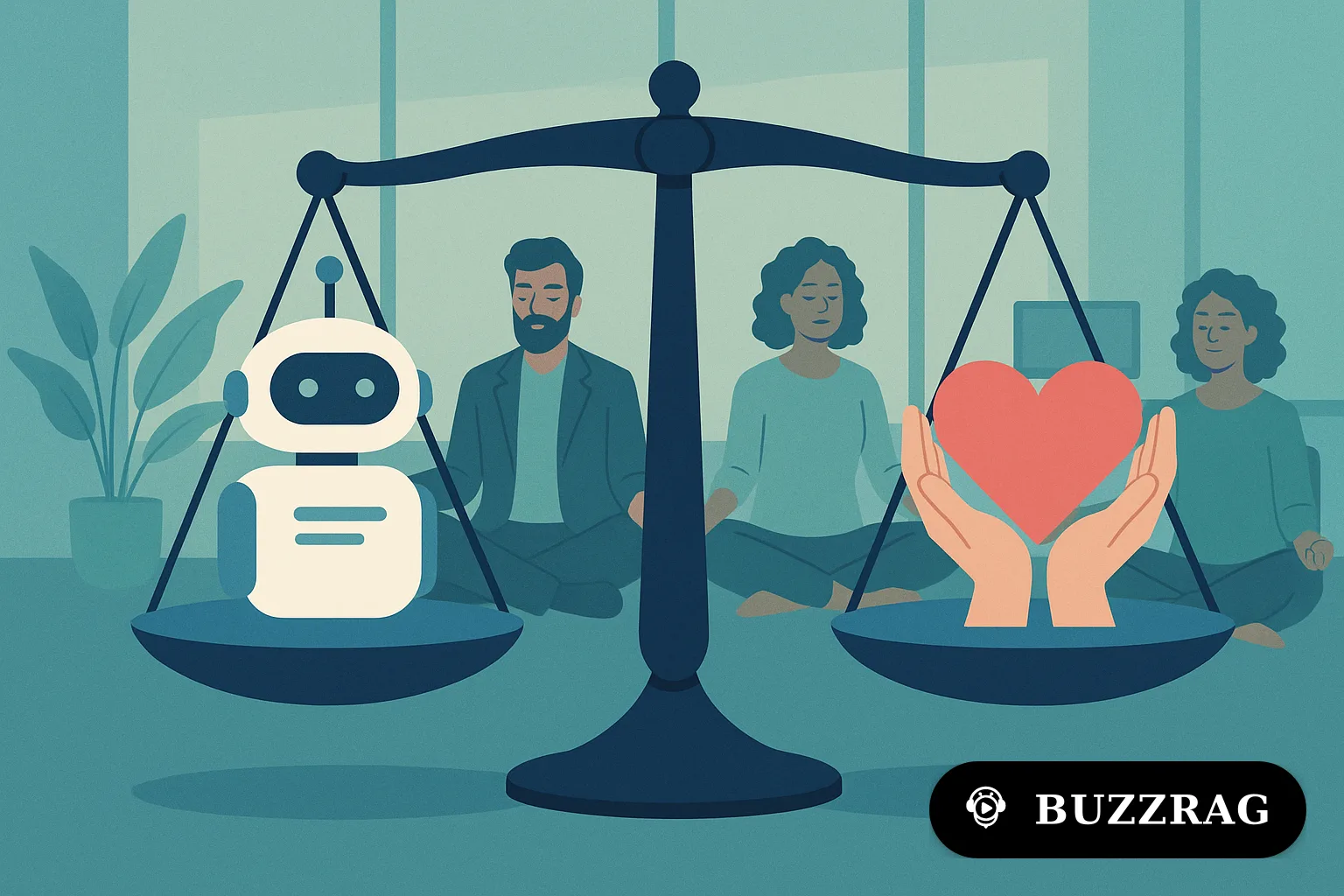
As AI becomes more integrated into daily life, its influence on personal relationships is becoming a subject of concern. Many are turning to AI chatbots for advice, finding comfort in the validation it provides during conflicts. However, experts warn that this reliance can undermine essential relationship skills such as empathy and accountability.
The absence of nuanced understanding in AI responses can lead to skewed perceptions of interpersonal issues. Unlike human advisors, AI lacks the capacity for emotional intelligence, which is crucial in resolving conflicts and nurturing healthy relationships. This trend suggests a need for balance in how we integrate technology into our personal lives.
Future discussions will likely focus on developing AI systems that better mimic human empathy and understanding, though achieving this balance between technology and emotional health remains a complex challenge.
Mindfulness Techniques to Ease Workplace Stress
The modern workplace can be a pressure cooker of stress, compounded by the need to maintain professional personas and meet demanding expectations. Simple mindfulness techniques offer a practical solution for managing these heightened emotions, helping individuals to remain calm and focused amid chaos.
Mindfulness practices such as deep breathing, short meditation breaks, and grounding exercises can be easily incorporated into a workday. These techniques are backed by research showing their effectiveness in reducing stress and improving emotional regulation. By fostering greater self-awareness, employees can navigate workplace challenges with a clearer mind and reduced anxiety.
As more companies recognize the value of mental health, integrating mindfulness into corporate culture may become a widespread trend. Encouraging employees to take mindful breaks could not only improve individual well-being but also enhance overall productivity and workplace harmony.
Looking ahead, the intersection of technology, health, and emotional well-being presents ongoing challenges and opportunities. How these elements integrate into our daily lives will continue to shape our personal and professional landscapes.