BuzzRAG Sports Desk — 2026-06-29
Curated by AI. Marcus Tate, Sports Desk Editor
Today's sports headlines highlight a legal battle within the PTPA, Brendan Sorsby's limited league options, and soaring college sports roster spending. Each story underscores the financial pressures shaping athlete careers and organizational dynamics.
PTPA Legal Battle Exposes Internal Tensions
The Professional Tennis Players Association (PTPA) is embroiled in a lawsuit that reveals deep internal power struggles. The legal action, as reported by multiple sources including FOS Today, centers around allegations of mismanagement and disputes over the organization's strategic direction.
This lawsuit highlights the challenges faced by newly formed sports organizations in establishing governance structures and maintaining unity among members. The PTPA, originally formed to give players a more significant voice in the sport, now finds itself at a crossroads as it attempts to navigate the complexities of collective representation.
The outcome of this legal battle could have far-reaching implications for player representation in tennis. As the PTPA seeks to stabilize its leadership and strategic vision, the organization's ability to effectively advocate for players' rights and interests hangs in the balance.
Brendan Sorsby's Career Path Narrows
Brendan Sorsby, a once-promising quarterback prospect, finds his professional options dwindling as both the NFL and CFL have reportedly closed their doors to him. According to sources including Front Office Sports, the United Football League (UFL) may now be Sorsby's only viable option.
The situation underscores the competitive and often unforgiving nature of professional football, where potential and opportunity must align perfectly. Sorsby's journey reflects the broader issue of how leagues evaluate talent and the limited pathways available for athletes not immediately drafted by major leagues.
For Sorsby, joining the UFL could provide a platform to prove his skills and potentially open doors for future opportunities. However, it also highlights the financial and career challenges faced by athletes navigating secondary leagues, where exposure and compensation may not match their aspirations.
World Cup Group Stage Ends in Drama
The World Cup's group stage concluded with high drama, setting the stage for the eagerly anticipated Round of 32. Reports from World Soccer Talk and other outlets detail how last-minute goals and unexpected outcomes have heightened the excitement of this global event.
This phase of the tournament is crucial not only for its sportsmanship and entertainment value but also for its economic impact. The World Cup is one of the most commercially lucrative events, with broadcasting rights, sponsorships, and tourism providing significant revenue streams for host countries and FIFA.
As the tournament progresses, the financial stakes will only increase, with higher viewership and engagement driving further interest and investment. The knockout stages promise not only thrilling matches but also substantial economic activity around the globe.
College Sports Spending Exceeds Cap
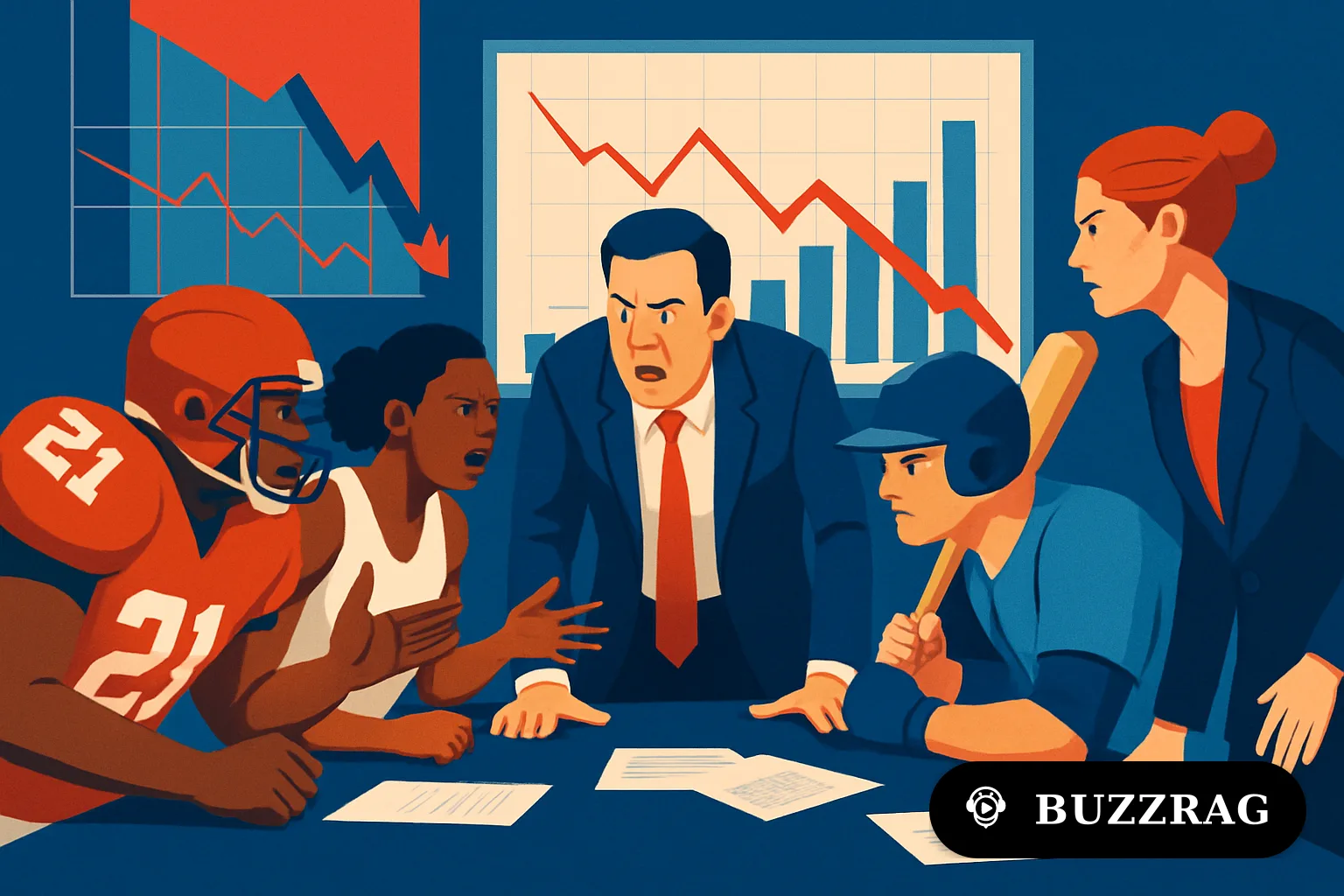
Collegiate sports programs are seeing roster spending soar beyond the newly established $20.5 million revenue-share cap, according to multiple reports. This trend marks a significant shift in the economics of college athletics, where spending on talent is increasingly mirroring professional sports.
The cap was intended to control costs and ensure a level playing field across programs. However, the surge in spending suggests that schools are finding ways to circumvent these limits, raising questions about the sustainability of current financial models in college sports.
The implications are profound, as escalating expenses could fuel further debate over athlete compensation and the broader financial responsibilities of college athletic departments. Stakeholders will need to reassess how resources are allocated to maintain competitive balance while supporting athlete welfare.
As these stories unfold, they signal broader shifts in the sports landscape. From legal disputes to financial strategies, the evolving dynamics will continue to shape the future of athletes and organizations alike. Observers should watch how these developments influence governance, career pathways, and economic models in sports.