BuzzRAG Business Desk — 2026-06-29

Curated by AI. Marcus Webb, Business Desk Editor
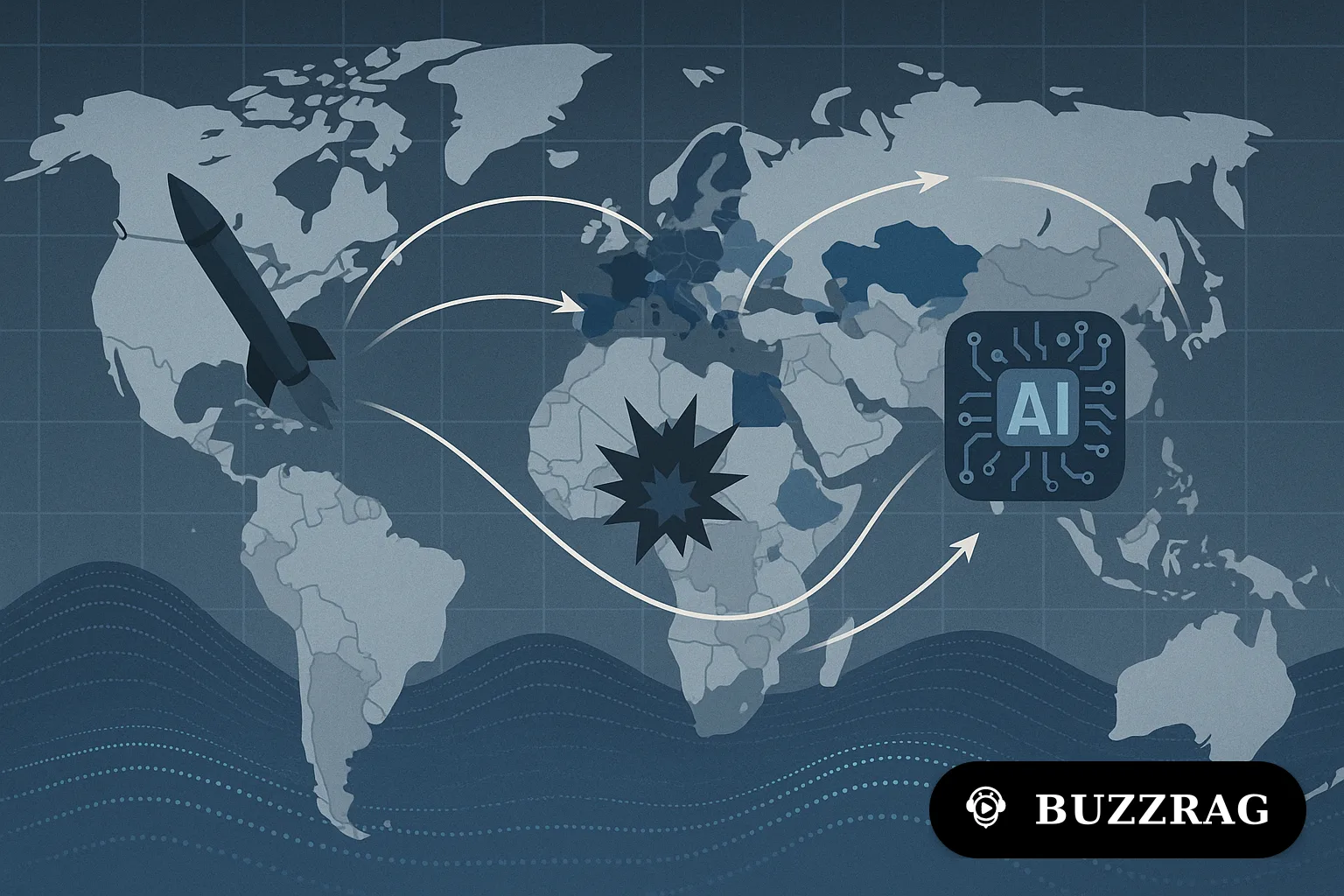
Today, tensions between China and Japan escalate with new export restrictions impacting key sectors, including drones and defense. Meanwhile, Russia faces significant fuel shortages due to Ukrainian drone strikes, highlighting vulnerabilities in its energy sector. On the technology front, the global AI race intensifies as US models face increasing competition from China's advancements.
China Tightens Export Curbs on Japan
China has expanded its export restrictions on Japan, targeting sectors critical to national defense and technology, including drone manufacturers and nuclear-related companies. This move comes as part of ongoing geopolitical tensions and is seen as a strategic pressure point against Japan's defense collaboration with Western allies.
By blacklisting four of Japan's government defense research institutes and imposing tighter controls on dozens of companies, China is leveraging its economic influence in response to perceived threats. This escalation could disrupt supply chains and technological advancements, impacting global markets that rely on Japanese innovation and manufacturing.
Observers note that these restrictions signal a broader strategic shift in China's foreign policy, using economic levers to assert geopolitical influence. The implications for international trade, regional security, and global economic stability are profound, as other nations may reevaluate their dependencies on Chinese exports.
Russia's Fuel Challenges Amid Conflict
Russian President Vladimir Putin has publicly acknowledged the severe impact of Ukrainian drone strikes on Russia's fuel production capabilities. This admission underscores the effectiveness of Ukraine's deep-strike strategies, which have significantly disrupted Russia's energy infrastructure.
The fuel shortages present a critical challenge for the Russian economy, already strained by ongoing military expenditures and international sanctions. Industries dependent on consistent energy supplies face potential production halts, while consumers may experience rising prices and fuel rationing.
This development adds a new dimension to the ongoing conflict, highlighting the strategic use of technology in warfare and its economic repercussions. Analysts are closely watching how Russia will navigate these shortages and whether it will seek alternative energy sources or strategies to mitigate the impact.
US AI Models Face Rising Global Competition
In a significant development for the artificial intelligence sector, US AI models are encountering heightened competition from international counterparts, particularly those in China. New reports indicate that China's AI capabilities can match some of the most advanced US models, posing a strategic challenge.
This shift comes as the US government recently forced the powerful Mythos AI model offline, citing various concerns. The move opens the door for other nations to fill the gap in AI leadership, potentially reshaping the global technological landscape. The competitive edge in AI is critical not only for economic growth but also for national security.
As AI continues to be a cornerstone of technological advancement, the international race to lead in this field intensifies. Stakeholders in the tech industry and government sectors are evaluating strategies to maintain innovation while addressing regulatory and ethical concerns. The outcome of this competition will have far-reaching implications for global tech dominance and economic influence.
Looking ahead, the evolving geopolitical dynamics between China and Japan, coupled with Russia's energy challenges, could significantly impact global supply chains and economic stability. Meanwhile, the AI arms race underscores the strategic importance of technological leadership. Stakeholders must navigate these complexities to sustain growth amid mounting global tensions.