BuzzRAG Gaming Desk — 2026-06-29

Curated by AI. Kai Tanaka, Gaming Desk Editor
Today's gaming highlights span the realms of indie innovation and industry controversies. A new text adventure captivates with its vaporwave aesthetic, while Dead or Alive 6 faces backlash over its DLC practices. Meanwhile, tech giants signal rising costs that could impact gamers worldwide.
Indie Text Adventure Explores Vaporwave Mysteries
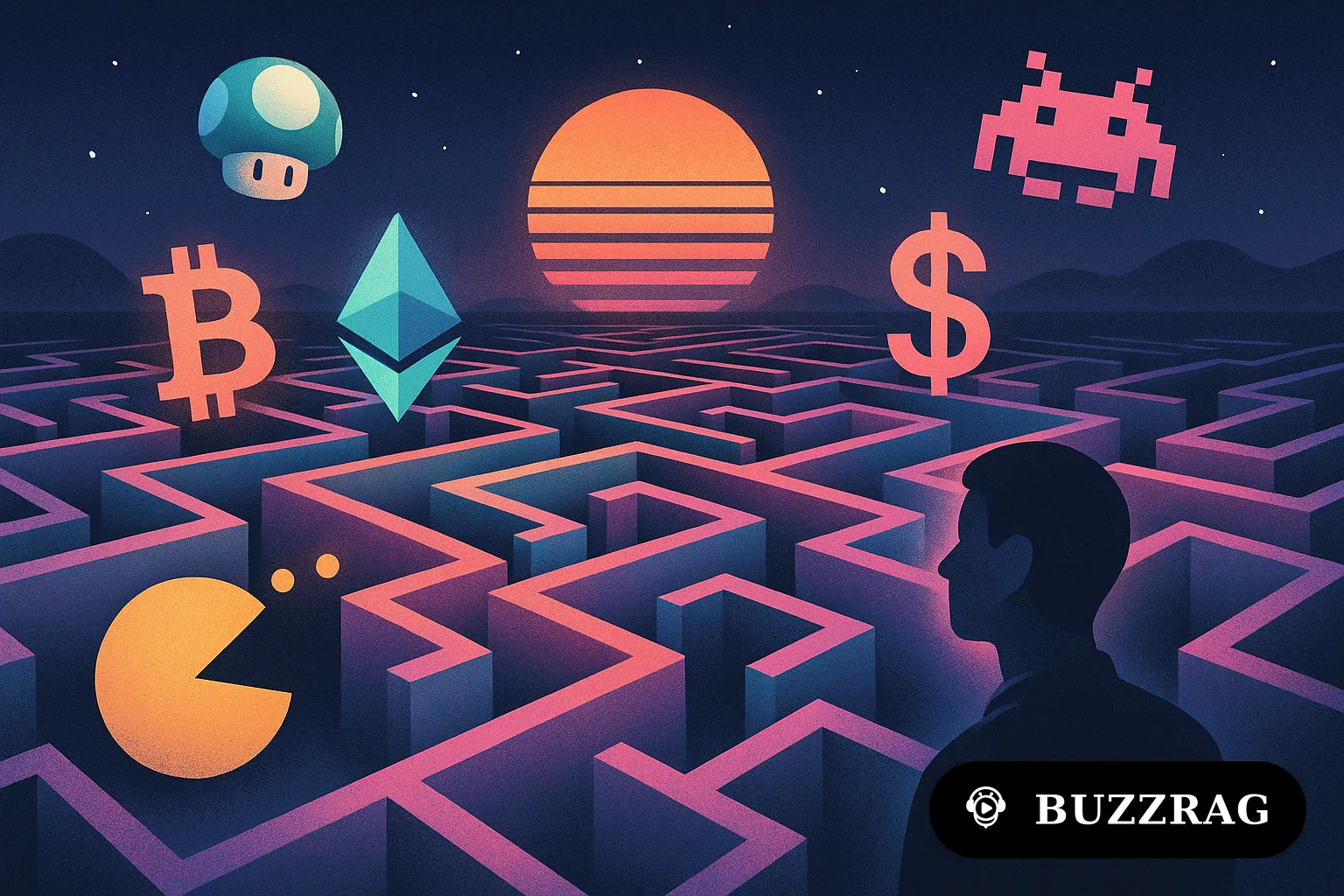
A new indie text adventure game has emerged, wrapping players in an eerie vaporwave-inspired labyrinth. The game, titled 'Peacockhouse,' combines nostalgic 80s aesthetics with modern interactive storytelling, offering a fresh take on the text adventure genre. Its unique visual style and atmospheric tone have quickly captured the attention of indie game enthusiasts.
This game exemplifies the ongoing trend of indie developers pushing the boundaries of traditional gaming genres by integrating artistic styles that resonate with niche communities. By embracing the vaporwave aesthetic, 'Peacockhouse' taps into a cultural movement that celebrates nostalgia and subversion, challenging players to rethink their engagement with game narratives. As indie games continue to draw from diverse influences, they play a crucial role in expanding the cultural vocabulary of gaming.
Dead or Alive 6 Faces DLC Backlash
Koei Tecmo has released 'Dead or Alive 6 Last Round' with over 400 DLCs, sparking outrage among players who find themselves repurchasing content they already own. This move has been criticized as a blatant monetization strategy, undermining the franchise's reputation and frustrating its loyal fan base.
The situation underscores the ongoing tension between game publishers and consumers over DLC practices and the ethics of monetization. While downloadable content can enhance and extend a game's lifespan, excessive or predatory pricing models risk alienating core audiences. As the industry grapples with balancing profitability and player satisfaction, this case could serve as a cautionary tale for developers and publishers aiming to maintain consumer trust.
Anachronox Revival Marks 25th Anniversary
Celebrating its 25th anniversary, Tom Hall has unlocked the vault on 'Anachronox,' a cult classic known for its quirky narrative and groundbreaking design. Originally released in 2001, the game has maintained a dedicated fan base, thanks to its unique blend of humor, science fiction, and role-playing elements.
This anniversary comes at a time when nostalgia drives a significant portion of gaming culture, with older titles being revisited and revamped for new audiences. Hall's decision to delve back into 'Anachronox' highlights the enduring appeal of games that dared to be different, reminding the industry of the creative potential in exploring unconventional stories and mechanics. As interest in retro games grows, revisiting and preserving such classics could inspire new generations of game designers.
Tech Giants Warn of Rising Gaming Costs
Major tech companies like Microsoft, Apple, and Lenovo have raised alarms about the continuing increase in gaming prices, driven by ongoing technology cost surges. Industry leaders point to the recent statements from Micron as indicative of a market trend where hardware costs show no signs of stabilization.
This warning signals potential challenges for both gamers and developers, as higher costs could limit access to cutting-edge technology and impact game development budgets. The broader implications for the gaming ecosystem include a possible slowdown in hardware upgrades and innovation, as consumers and companies navigate these financial pressures. As the industry braces for these changes, the focus may shift towards optimizing existing technology and exploring cost-effective solutions to maintain growth and engagement.
Age of Empires Study Debunks AI Cognizance
A new study using the 'Age of Empires' scenario editor highlights the absurdity of treating AI as cognizant entities. By simulating complex scenarios within the game, researchers demonstrate the limitations and predictability of AI behavior, challenging popular narratives about AI consciousness.
This study adds to the ongoing discourse on artificial intelligence, emphasizing the distinction between sophisticated programming and genuine cognition. As AI continues to evolve and integrate into gaming and other sectors, understanding its capabilities and limitations becomes increasingly important. The findings encourage a more nuanced approach to AI development and deployment, promoting ethical considerations and realistic expectations in AI applications.
The evolving landscape of gaming continues to challenge conventions, from indie breakthroughs to industry-wide economic pressures. As players and developers navigate these changes, the focus on innovation and sustainability remains critical. Watch for upcoming shifts in game monetization strategies and tech accessibility that could redefine the market.