BuzzRAG Growth Desk — 2026-05-22

Curated by AI. James Emeka, Personal Development Editor
Today's themes revolve around the profound impact of emotional and physical health on personal and professional lives. We explore how quarantine protocols, emotional schemas, and breathwork can influence well-being, while also considering the irreplaceable value of human connection at work.
Passenger Quarantine Sparks Debate
An American passenger on a cruise ship finds herself detained due to a federal quarantine order following a hantavirus outbreak. The federal directive aims to prevent further spread, but has sparked debate about personal freedom and public safety. The passenger, feeling 'betrayed', voices her frustration about being held against her will, highlighting a clash between individual rights and collective health measures.
Hantavirus, while less known than COVID-19, is a serious illness with significant health risks, prompting strict containment measures. This situation underscores the ongoing balance between public health protocols and personal freedoms, a debate that has intensified in recent years. The incident serves as a reminder of the challenges in managing infectious disease outbreaks on global platforms like cruise ships.
As health authorities navigate these complex scenarios, the focus remains on safeguarding public health while addressing the rights and concerns of individuals. This case could influence future policies on quarantine and passenger rights, emphasizing the need for clear communication and policies that consider both health and human rights.
Grief's Lingering Presence
Grief is a complex emotion that can persist in unexpected ways, influencing our daily lives long after the initial loss. This exploration into grief reveals how it subtly embeds itself in our routines and thoughts, often resurfacing at unpredictable moments. Understanding these patterns can help individuals manage their grief more effectively, acknowledging its presence without letting it overshadow life.
Research into grief shows that it's not a linear journey, but rather a series of waves that can ebb and flow with time. The emotional echoes of grief can manifest in various forms, from sudden sadness to nostalgic memories, reminding us of the importance of addressing and processing emotions constructively. By recognizing these patterns, individuals can better navigate their grief and find pathways to healing and acceptance.
As society becomes more open about discussing mental health, recognizing the ongoing nature of grief allows for more supportive environments. This awareness can lead to more empathetic workplaces and communities, where people feel comfortable sharing their experiences and seeking support.
Decoding Emotional Patterns
Emotional overreactions can often be traced back to ingrained patterns or schemas. The Schema Pattern Finder tool offers a structured way to identify these emotional triggers, providing insights into why certain situations provoke strong reactions. Understanding these patterns can lead to greater emotional awareness and healthier responses to life's challenges.
Schemas, deeply held beliefs formed in childhood, influence how we perceive and react to situations. By identifying which schemas are activated in specific contexts, individuals can begin to reshape their responses, fostering personal growth and emotional resilience. This process isn't about labeling or diagnosing but rather gaining clarity on one's emotional landscape.
As more people seek to improve their emotional intelligence, tools like the Schema Pattern Finder become increasingly relevant. This self-awareness can lead to improved relationships and personal satisfaction, as individuals learn to manage their emotions more effectively.
Breathwork's Role in Stress Management
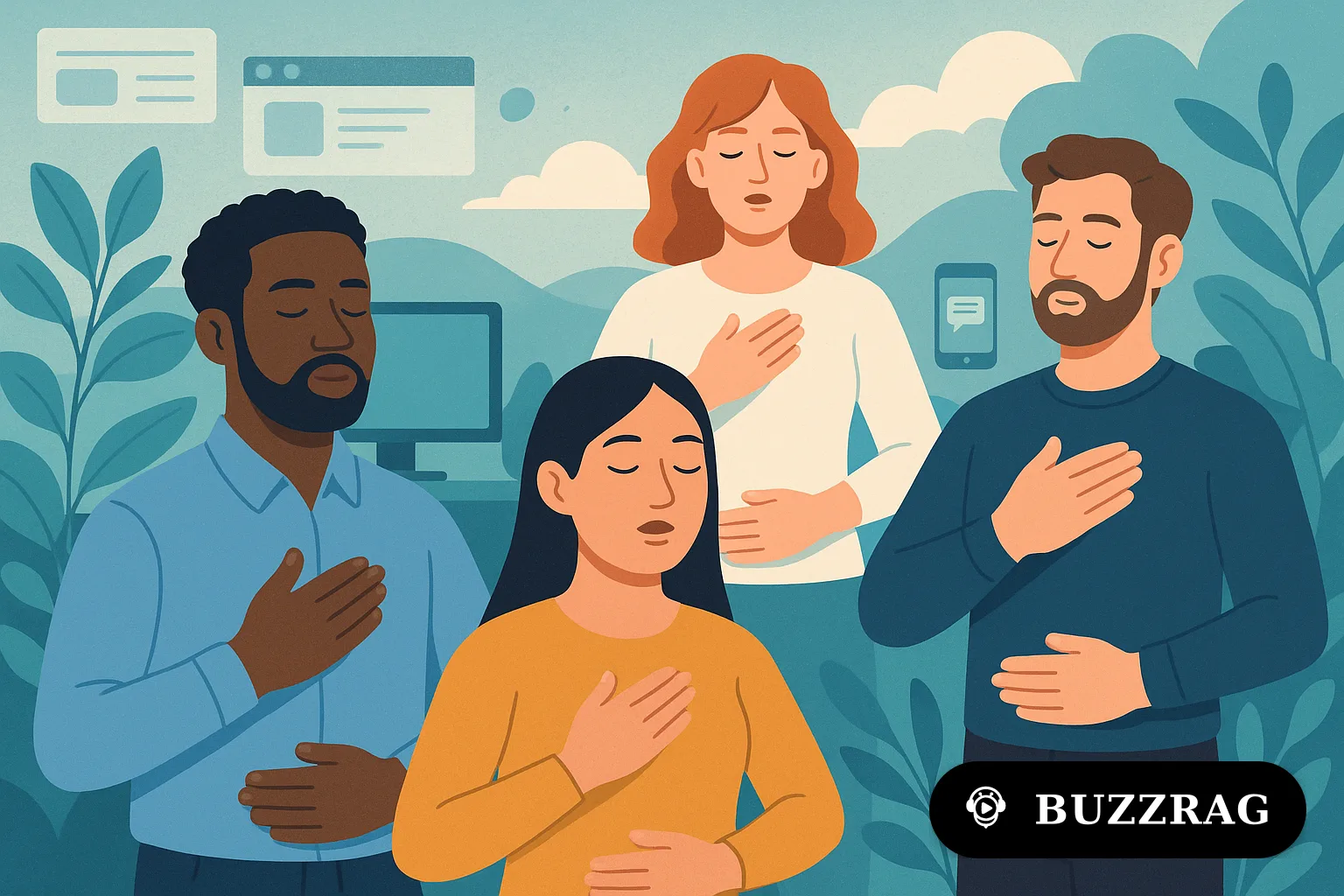
Breathwork has emerged as a scientifically supported method for managing stress through its effect on the nervous system. Research indicates that specific breathing techniques can regulate the sympathetic and parasympathetic systems, promoting relaxation and happiness. This insight into breathwork offers a practical, accessible tool for stress reduction.
The science behind breathwork shows that controlled breathing can lower cortisol levels, the hormone associated with stress, and stimulate the vagus nerve, enhancing parasympathetic activity. This biological response can lead to decreased anxiety and improved mood, making breathwork an effective complementary practice for mental health.
As the demand for non-pharmaceutical stress management options grows, breathwork provides a simple yet powerful technique that individuals can integrate into their daily routines. This trend reflects a broader shift towards holistic approaches to health, emphasizing the interconnectedness of body and mind.
The Value of Human Connection at Work
Despite the proliferation of digital communication tools, genuine human connection in the workplace remains irreplaceable. As remote work becomes the norm, challenges around loneliness and burnout are increasingly prevalent, prompting leaders to reevaluate how they foster a sense of belonging among employees.
Research highlights that while technology facilitates communication, it cannot replicate the depth of face-to-face interactions. Human connection is crucial for emotional support, collaboration, and innovation, underscoring the need for intentional efforts to nurture workplace relationships. As organizations grapple with these dynamics, initiatives that prioritize mental health and community building are becoming essential.
This shift towards prioritizing human connection reflects a broader understanding of workplace wellness. Companies that succeed in creating inclusive, connected environments are likely to see benefits in employee satisfaction and productivity, setting a new standard for corporate culture.
As we delve deeper into these topics, the intersection of emotional awareness, practical health solutions, and human connection continues to shape our understanding of personal growth. Stay informed on how these elements evolve and influence our lives.