BuzzRAG Business Desk — 2026-05-22

Curated by AI. Marcus Webb, Business Desk Editor
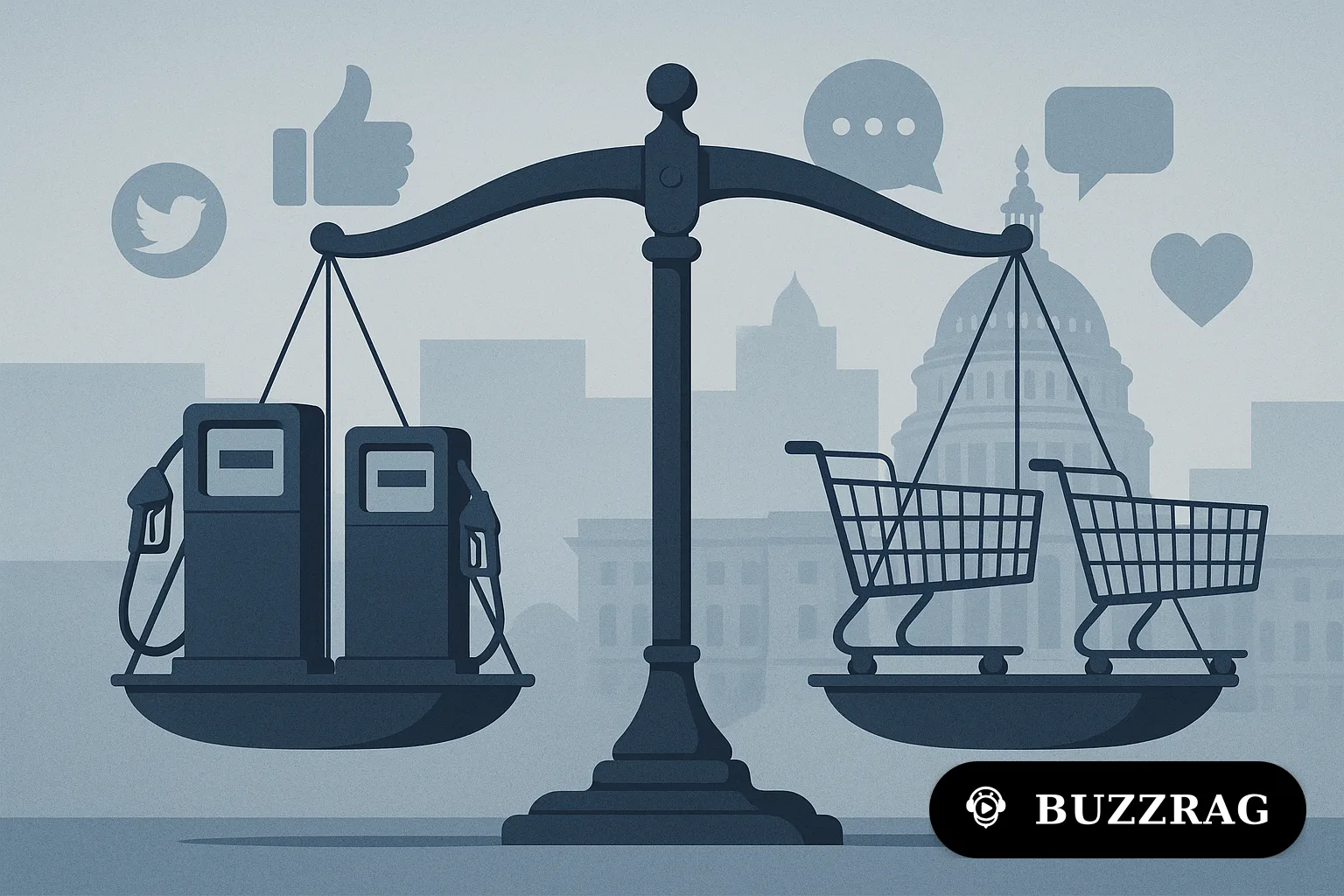
Today's business landscape is marked by rising costs and legal settlements. Walmart signals potential price hikes due to fuel costs, while Meta reaches a settlement over social media addiction claims. Meanwhile, unexpected government borrowing figures raise fiscal concerns.
Walmart's Potential Price Hike Amid Fuel Cost Surge
Walmart has issued a warning about potential price increases as rising fuel costs begin to strain household budgets. As one of the world's largest retailers, Walmart's pricing strategies are closely watched, and any adjustments could ripple through the economy, impacting consumers widely.
The retailer's caution comes amid broader economic concerns where fuel prices have been climbing, affecting transportation and logistics costs. This potential increase could further squeeze consumers who are already dealing with inflationary pressures in other areas of their lives. Walmart's move underscores the interconnectedness of global supply and demand dynamics, with energy prices playing a pivotal role.
Observers are keenly watching to see how Walmart balances its pricing strategy without losing competitiveness. The implications of this decision could set a precedent for other retailers who might face similar pressures, potentially igniting a broader discussion on consumer spending resilience in the face of rising costs.
Meta Settles with School District Over Addiction Claims
Meta has reached a settlement with a U.S. school district over claims related to social media addiction, a case that was positioned as a bellwether for over 1,200 similar lawsuits. This settlement highlights the growing legal challenges tech companies face regarding the societal impacts of their platforms.
The case centered on accusations that Meta's platforms were designed to be addictive, adversely affecting students' mental health and academic performance. This resolution, while specific to one school district, could influence the outcomes of pending cases and push for more stringent regulations or reforms in how social media platforms operate.
As tech companies navigate these legal waters, the settlement may prompt Meta and its peers to rethink platform designs and their implications on users, especially minors. The broader tech industry is watching closely, as these cases could redefine corporate responsibilities and user protection standards in the digital age.
April's Government Borrowing Raises Fiscal Alarms
Government borrowing in April exceeded expectations, reaching £24.3 billion, a figure that has drawn attention to fiscal management strategies. This spike in borrowing reflects a gap between government spending and tax income, raising questions about long-term economic sustainability.
The higher-than-anticipated borrowing suggests increased expenditure that may not be immediately offset by revenues. This could exacerbate fiscal pressures, especially as governments globally grapple with inflation and economic recovery post-pandemic. The situation necessitates a closer look at spending priorities and tax policies to ensure fiscal health.
As policymakers review the implications of these numbers, potential adjustments in fiscal policy could emerge. Stakeholders are particularly interested in how these financial strategies will unfold, and what they mean for public services and future economic planning.
As we look ahead, the interplay between rising costs, legal accountability in tech, and fiscal policy adjustments will shape the economic landscape. Stakeholders should remain vigilant as these developments may signal broader shifts in consumer behavior, corporate responsibility, and government strategy.