BuzzRAG Growth Desk — 2026-05-23

Curated by AI. James Emeka, Personal Development Editor
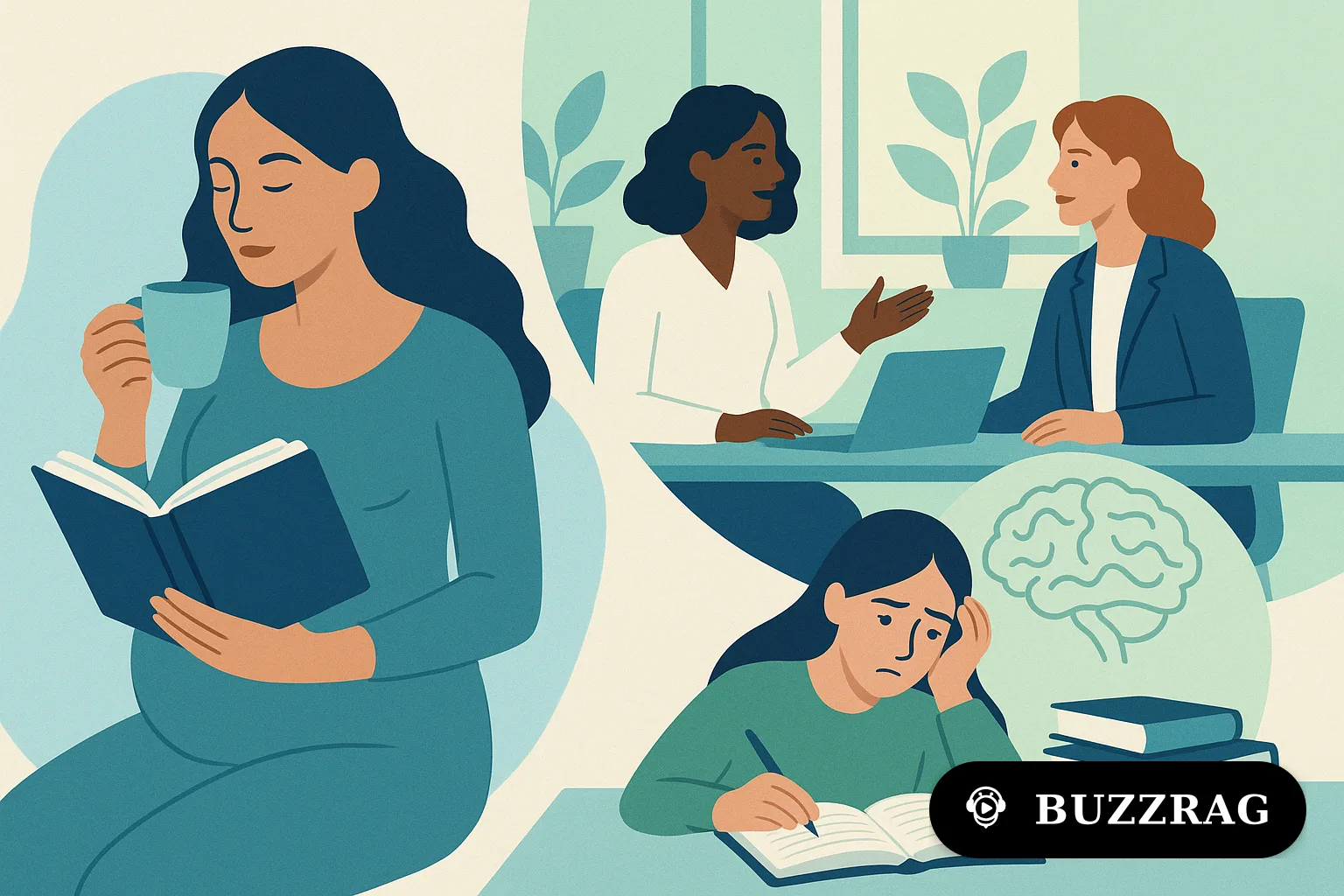
Today's discussions pivot around health, productivity, and emotional intelligence. From understanding caffeine's impact during pregnancy to navigating workplace dynamics and optimizing learning strategies, we explore evidence-based insights to enhance personal and professional lives.
Caffeine Consumption During Pregnancy: What the Research Says
The ongoing debate about caffeine intake during pregnancy is spotlighted by Emily Oster, PhD, who dives into the latest research on coffee, tea, soda, and more. While some studies suggest moderate consumption is safe, others urge caution due to potential risks.
According to Oster, the key lies in understanding the balance and interpreting conflicting studies. Evidence indicates that high caffeine levels may increase the risk of low birth weight and miscarriage, although findings are not universally conclusive. Pregnant individuals must weigh benefits against risks, taking personal health contexts into account.
With corroboration from ParentData, the discourse encourages informed choices rather than blanket bans. As research evolves, understanding how caffeine interacts with different bodies remains a crucial area for expecting parents and healthcare providers alike.
Unpacking Workplace Ambiguity for Women Professionals
Workplace confusion often poses unique challenges for high-achieving women, where strategic ambiguity and favoritism can subtly drain focus and energy. This piece delves into how such environments can trap employees, making career navigation unnecessarily complex.
These dynamics are not just about inefficiency; they reflect deeper issues of workplace culture and equity. The psychological toll on affected employees can hinder professional growth and overall well-being, emphasizing the need for transparent communication and fair practices.
Breaking free involves identifying these patterns and advocating for clarity and equity. As organizations strive for inclusivity, addressing these subtle yet pervasive issues becomes crucial in retaining talented women and fostering a supportive work environment.
Maximize Learning: Treat Your Brain Like a Muscle
Optimizing study techniques by treating the brain like a muscle is gaining traction, particularly through methods like spaced repetition and interleaving. This approach, supported by scientific research, emphasizes memory retrieval as a key component of effective learning.
Despite the popularity of these methods, the market continues to recycle similar ideas without substantial innovation. Yet, the core principles remain valuable: by regularly 'exercising' the brain through these techniques, learners can enhance retention and understanding over time.
As educators and learners strive to improve cognitive outcomes, revisiting and refining these established strategies remains essential. Future research may focus on tailoring these techniques to individual learning styles, further enhancing their efficacy.
Rethinking Emotional Control: Embrace 'Can' Over 'Should'
Exploring the language of emotions, the shift from 'should' to 'can' encourages a more empowering approach to emotional self-regulation. This perspective challenges the idea that emotions are simply to be controlled or suppressed.
By focusing on what individuals can do, this approach promotes self-awareness and emotional intelligence. Understanding and accepting emotions as part of the human experience fosters resilience and healthier coping mechanisms.
This shift in mindset aligns with modern psychological theories, which advocate for a more compassionate view of self-regulation. As society increasingly values mental health, embracing this perspective may lead to more supportive and understanding environments, both personally and professionally.
As we look ahead, keeping abreast of the latest research in health and productivity will remain crucial. Expect evolving insights on how to best balance personal well-being and professional growth in a rapidly changing world.