BuzzRAG Daily Digest — 2026-05-23

Curated by AI. Callum Pierce
Today's headlines are dominated by SpaceX's groundbreaking launch of Starship V3, marking a new era in space exploration. Meanwhile, the European Union takes a significant step toward road safety, and Microsoft grapples with the high costs of artificial intelligence deployment.
SpaceX's Starship V3 Launches Successfully
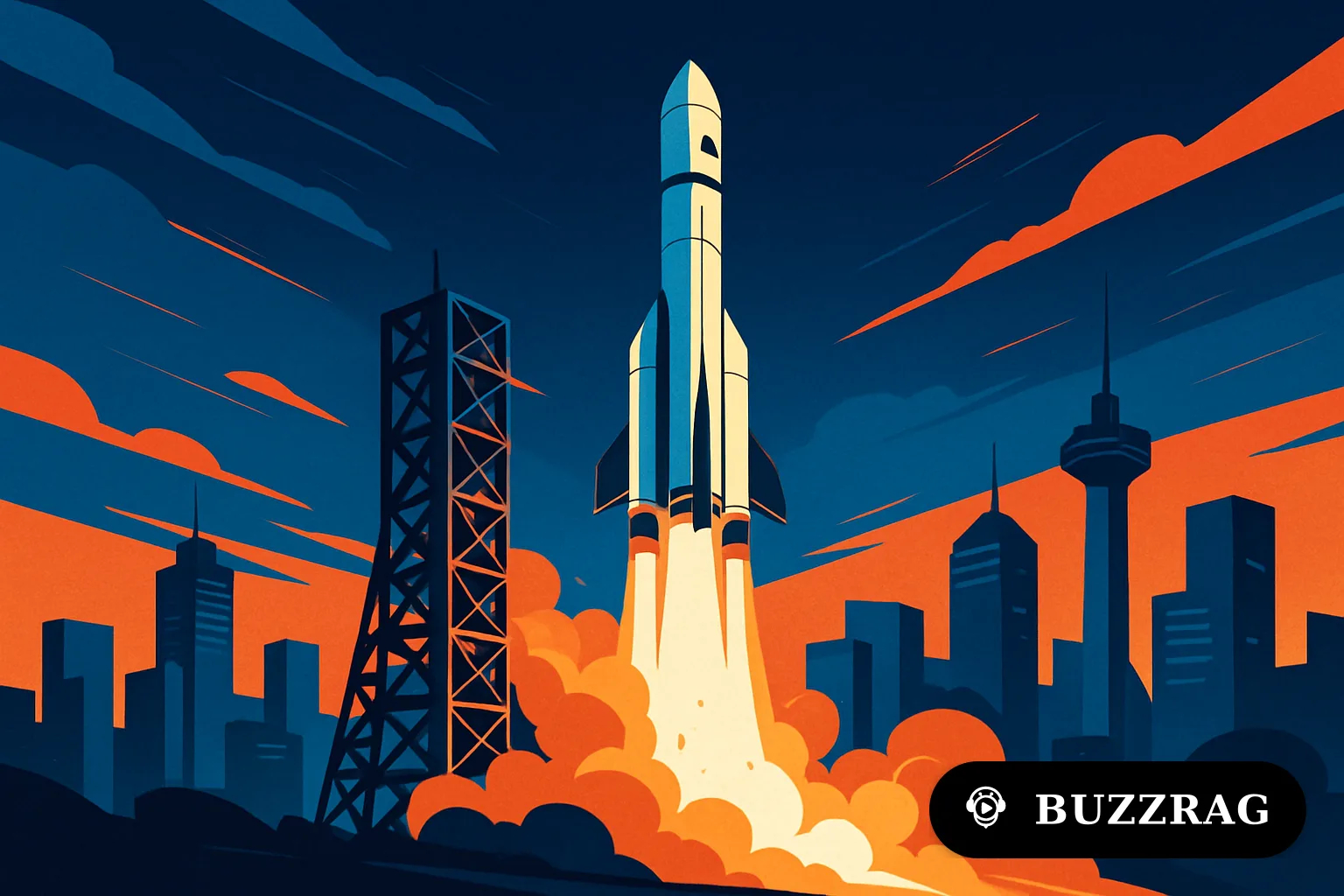
SpaceX has successfully launched its Starship V3, touted as the most powerful megarocket ever built. This launch marks a significant milestone in SpaceX's ambitious plans for space exploration, showcasing the company's technological prowess and innovation.
The Starship V3's launch is part of SpaceX's ongoing efforts to develop a reusable rocket system capable of carrying both cargo and humans to destinations like Mars and beyond. With a successful launch, this mission demonstrates the rocket's capability and brings SpaceX one step closer to its long-term space colonization goals. The launch was widely covered by multiple media outlets, highlighting its significance in the aerospace industry.
Russian Satellites Threaten ICEYE Radarsat
In a concerning development, four Russian satellites have maneuvered into positions that could potentially threaten an ICEYE radarsat. ICEYE, a Finnish company providing satellite imagery, is known for supporting Ukraine, raising suspicions about the intent behind Russia's satellite positioning.
This situation underscores the increasing militarization of space and the geopolitical tensions that accompany it. With satellites playing a crucial role in both civilian and military applications, their proximity has raised alarms about potential space conflicts. The incident highlights the need for clear regulatory frameworks and international cooperation to ensure space remains a safe and secure environment.
EU Enforces Breathalyzer Compliance in Vehicles
The European Union has introduced a new regulation requiring all vehicles sold in member states to be compatible with breathalyzer devices. This move is part of a broader strategy aimed at eradicating drunk-driving-related incidents by 2050.
The initiative reflects the EU's commitment to enhancing road safety through technology and stringent measures. Vehicle manufacturers will need to adapt their designs to accommodate breathalyzer technology, which could lead to significant changes in the automotive industry. This regulation is expected to spark debates on privacy and the cost implications for both manufacturers and consumers.
NASA May Revoke Caltech's JPL Management
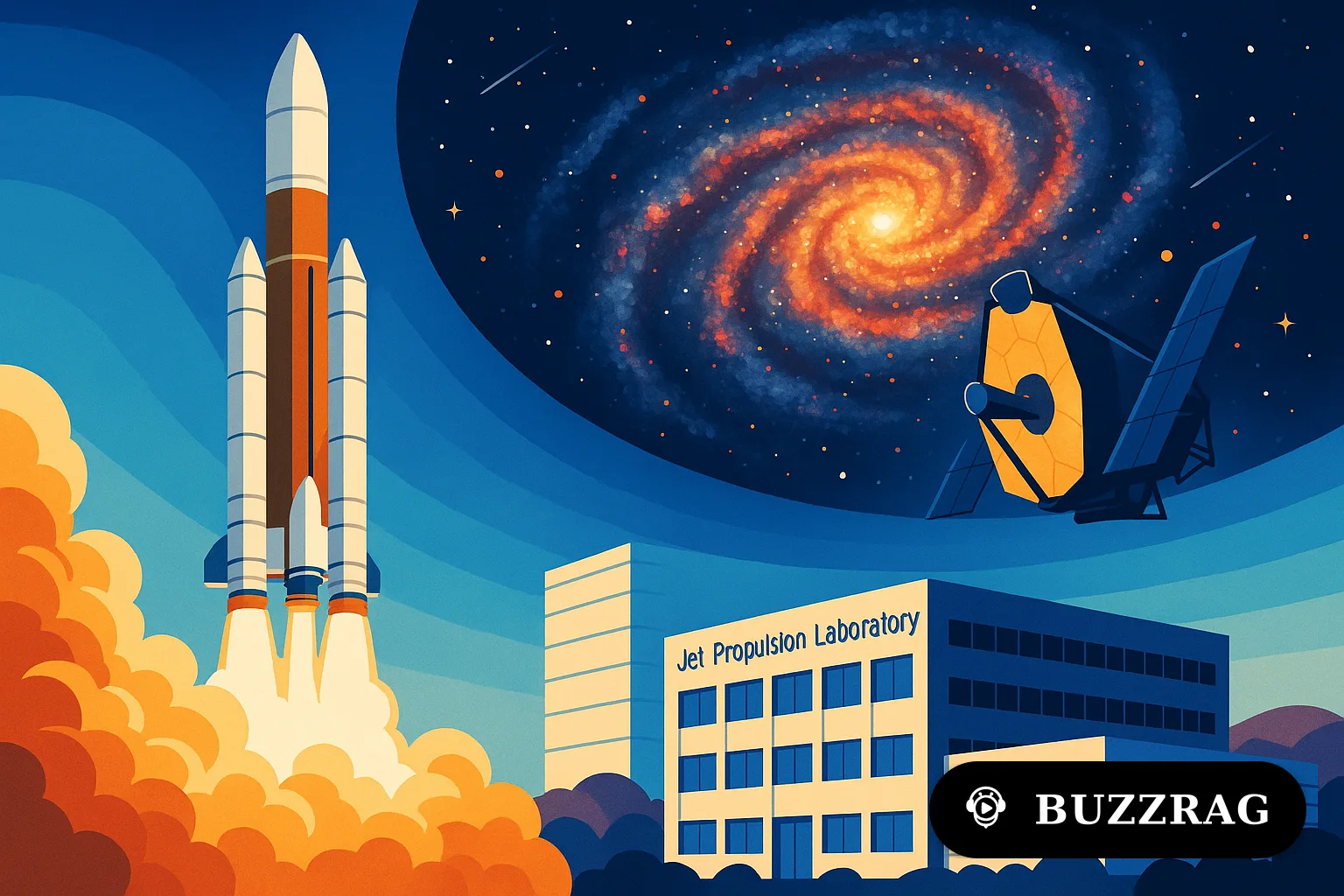
NASA is considering opening up the contract to manage the Jet Propulsion Laboratory (JPL), potentially ending Caltech's decades-long role. This decision marks a significant shift in the management of one of NASA's most iconic research facilities.
Caltech has managed JPL since its inception, contributing to groundbreaking space exploration missions. The possibility of new management introduces uncertainties about the lab's future direction and operations. As NASA seeks competitive bids, the decision could bring fresh perspectives but also risks disrupting established collaborations and research momentum.
Boards of Canada's Disappointing Return
After a 13-year hiatus, Boards of Canada has released their new album, 'Inferno,' which has met with mixed reviews. Known for their influential electronic music, the duo's latest work has been criticized for its thematic exploration and production choices.
The album attempts to tackle complex themes such as religion, but some critics find the execution lacking in depth and innovation. Fans of the band may feel divided over the new direction, reflecting broader challenges artists face when returning after long absences. The release has sparked discussions about the evolution of electronic music and the expectations placed on legacy acts.
AI Costs Surpass Human Labor at Microsoft
Microsoft has reported that the costs associated with artificial intelligence have surpassed those of employing human workers. This revelation highlights the financial challenges tech companies face as they increasingly integrate AI into their operations.
The expense stems from the high demand for advanced AI technologies and the resources required to maintain and develop them. As AI continues to evolve, Microsoft and other companies must weigh the costs against the potential benefits of automation and enhanced capabilities. This development prompts a reevaluation of AI's role in the workplace and its long-term sustainability.
Pentagon's New UFO Videos and Testimonies
The Pentagon has released a new batch of Unidentified Aerial Phenomena (UAP) videos and documents, continuing the discourse on unexplained sightings. The latest release includes footage from various regions, sparking renewed interest and speculation.
Despite the intriguing nature of these videos, the Pentagon maintains that there is no evidence of extraterrestrial origins. The release comes amid growing public and governmental interest in UAPs, highlighting the need for transparency and further investigation. The ongoing revelations are likely to fuel debates about national security and the potential implications of these phenomena.
As we look to the future, SpaceX's advancements promise to redefine space travel, while the EU's new mandate could reshape automotive safety standards. Meanwhile, the challenges of AI costs and space geopolitics demand our attention as we navigate these evolving landscapes.