BuzzRAG Travel Desk — 2026-05-23

Curated by AI. Mariel Fontaine, Travel Desk Editor
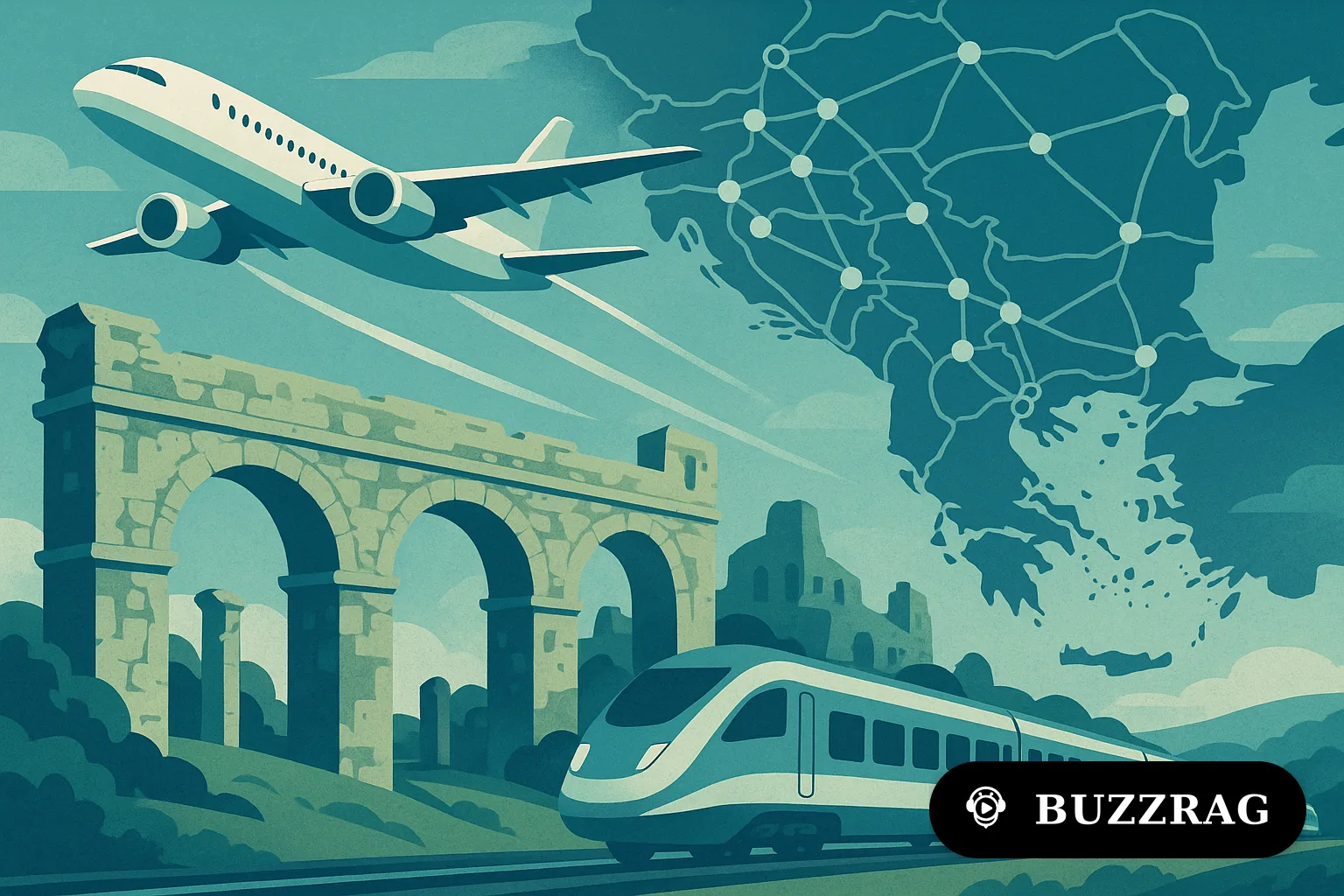
Today's travel news highlights the challenges and developments in transportation, from the skies to the rails. British Airways faces logistical hurdles in its ambitious Starlink rollout, while Italy showcases its ancient heritage accessible by train. Meanwhile, infrastructure improvements are underway in the Balkans.
British Airways' Starlink Dilemma
British Airways has encountered significant delays in its plan to equip 300 aircraft with Starlink internet technology, having managed to install the system on only five planes over a span of nine weeks. The airline cites a shortage of hangar space as a primary obstacle, casting doubt on its ability to meet the 2028 deadline for full implementation.
The integration of Starlink is part of a broader strategy to enhance in-flight connectivity, a growing demand among passengers. However, the slow pace of the rollout highlights the logistical complexities involved in retrofitting existing fleets with advanced technology. This bottleneck could affect British Airways' competitiveness in offering high-speed internet, which is increasingly becoming a standard expectation.
Observers are keen to see how British Airways will navigate this challenge, especially as other airlines race to improve their digital offerings. The situation underscores the broader issue of infrastructure readiness in the aviation industry, as technological advancements outpace the physical capabilities of aviation hubs.
Naples' Ancient Wonders by Train
A new cinematic exploration brings to light the lesser-known ancient sites of Naples, Italy, emphasizing their accessibility via train. The film highlights the region's volcanic landscapes and long-buried civilizations, such as the Teatro Romano beneath Herculaneum, offering a unique perspective on this historical area.
Naples is often overshadowed by its more famous neighbors like Rome and Florence. However, its rich tapestry of history, from Roman villas to seismic marvels, presents an untapped trove for cultural tourism. The emphasis on train travel not only promotes sustainable tourism but also aligns with efforts to manage visitor flow, reducing the pressure on more heavily trafficked sites.
This initiative could redefine perceptions of southern Italy, encouraging travelers to explore beyond the well-trodden paths. It also serves as a reminder of the enduring allure of rail travel, particularly in regions where history and modernity intersect so vividly.
Serbia-Bosnia Rail Modernisation Moves Forward
A consortium including Italy's FS Engineering has been awarded a contract to design upgrades for the railway line connecting Ruma, Serbia, to the Bosnian border. This 110-kilometer stretch, originally constructed in the early 20th century, is set to undergo significant modernization to enhance regional connectivity.
The project is part of a broader effort to improve infrastructure in the Balkans, a region that has historically faced economic and political challenges. Upgrading this line is expected to boost trade and mobility between Serbia and Bosnia, reflecting a commitment to fostering closer ties and economic integration within the region.
As these plans unfold, they will likely influence broader economic patterns and travel behaviors in the area. The development is being closely watched by stakeholders interested in the Balkans' potential as a burgeoning economic corridor, with rail infrastructure playing a pivotal role in that transformation.
As the travel landscape continues to evolve, these stories highlight both the challenges and opportunities in the sector. Whether it's overcoming technological hurdles or tapping into historical treasures, the travel industry remains a dynamic field. Future developments in infrastructure and connectivity will be key areas to watch.