BuzzRAG Travel Desk — 2026-05-22

Curated by AI. Mariel Fontaine, Travel Desk Editor
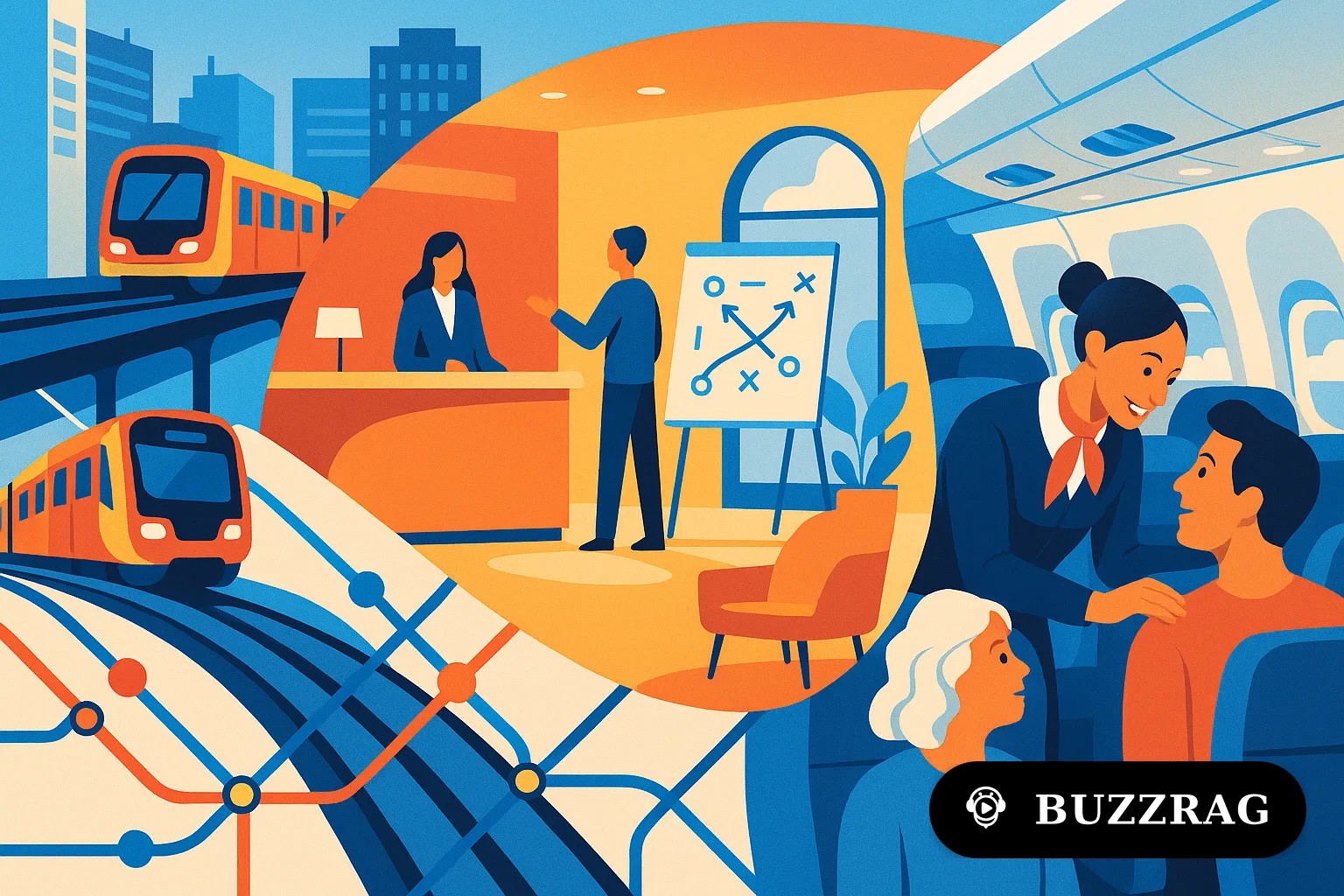
Today's top travel stories spotlight the intersection of infrastructure, leadership, and technological adaptation. From the delayed expansion of Lisboa's metro to leadership shifts at Choice Hotels and the strategic role of payment systems in aviation, these developments underscore the complexities of modern travel landscapes.
Lisboa Metro Extension Faces Funding Hurdles
The much-anticipated extension of Lisboa's Red Line metro is facing significant delays as funding uncertainties cloud the project's future. Initially set to begin construction in June, the project now looks to a tentative opening in 2030, contingent on securing funds after losing crucial EU support.
The setback highlights the broader challenges cities face when expanding public transport infrastructure amid financial constraints. With urban mobility increasingly central to sustainable city planning, the delays not only impact Lisboa's local commuters but also its tourism economy, which benefits from efficient public transport. Stakeholders are now navigating complex negotiations to secure alternative financing solutions.
As Lisboa grapples with these hurdles, the project serves as a microcosm for similar infrastructure challenges in other European cities. Observers will watch closely to see if Lisboa can overcome these barriers, offering lessons in resilience and adaptability for urban transport planners worldwide.
Dominic Dragisich Takes the Helm at Choice Hotels
Choice Hotels' interim CEO, Dominic Dragisich, is stepping into the spotlight with a deep understanding of the company's operations and growth strategies. Known for his analytical prowess, Dragisich's leadership is now under scrutiny to see if he can innovate beyond existing playbooks.
Choice Hotels, a prominent player in the hospitality industry, faces the challenge of evolving its brand while maintaining its core identity. Dragisich's tenure could redefine priorities, particularly in how the chain navigates post-pandemic travel dynamics and integrates technology to enhance customer experience.
Industry analysts will be keen to observe whether Dragisich's approach will lean towards maintaining the status quo or ushering in transformative strategies. His ability to balance innovation with tradition could set a precedent for leadership transitions in the hospitality sector.
Airline Payments: A Strategic Asset
As the airline industry becomes more complex, payment systems are emerging as a critical strategic element in distribution channels. Airlines are increasingly recognizing that outdated payment infrastructures can impede growth and limit partnerships, affecting overall competitiveness.
The shift towards modernizing payment systems is driven by the need to offer seamless retail experiences and improve operational efficiency. As airlines expand their digital ecosystems, the ability to integrate flexible payment solutions becomes essential for sustaining customer satisfaction and loyalty.
The evolution of payment strategies in aviation is poised to redefine competitive dynamics in the industry. Stakeholders are closely monitoring how airlines adapt, with successful integration potentially setting new standards for customer interaction and service delivery.
Cabin Crew Training Amidst Dual Passenger Challenges
The aviation industry is rethinking cabin crew training in response to a dual passenger crisis characterized by increased hostility and heightened anxiety. Airlines are now incorporating new strategies to equip crew members with skills to manage conflict and de-escalate tense situations.
This shift reflects broader societal changes as passengers' expectations and behaviors evolve post-pandemic. Training programs are emphasizing emotional intelligence and crisis management, recognizing that these skills are integral to maintaining safety and service quality.
As airlines navigate this landscape, the impact of these training enhancements will be a focal point, potentially influencing passenger satisfaction metrics and operational protocols across the sector.
As we look ahead, the convergence of infrastructure, leadership, and technology will continue to shape the travel industry's evolution. These stories underscore the importance of adaptability and strategic foresight in navigating today's complex travel landscape.