BuzzRAG Gaming Desk — 2026-08-08

Curated by AI. Kai Tanaka, Gaming Desk Editor
Today's gaming news delves into the past with a surprising Demon's Souls prototype and looks to the future as digital sales dominate. Meanwhile, industry changes at Xbox and HandyGames signal shifts in development and branding.
Demon's Souls Prototype Unearthed
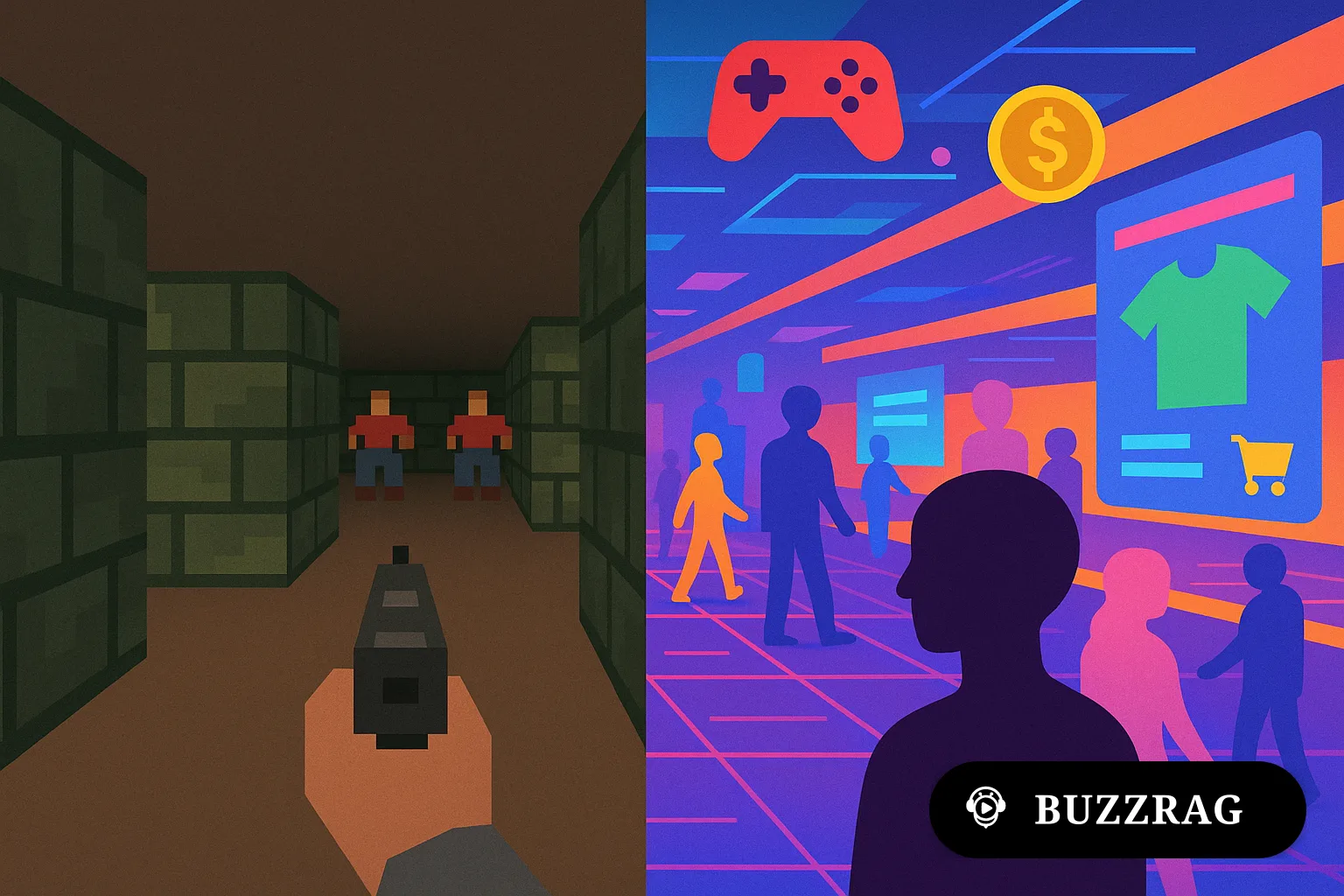
Footage of a never-before-seen Demon's Souls prototype has surfaced, revealing that FromSoftware initially considered a first-person perspective for its iconic Souls formula. This discovery has intrigued fans worldwide, reminding us of the iterative processes that shape game development.
The first-person approach was ultimately abandoned, which significantly impacted the direction and success of the Souls series. The third-person perspective allowed for the precise combat mechanics and environmental storytelling that fans have come to love. The prototype offers a fascinating glimpse into the 'what could have been' scenarios that often accompany creative ventures.
This revelation underscores the importance of adaptability in game design. FromSoftware's decision to pivot ultimately defined a genre, showing that sometimes the best creative decisions involve scrapping and reimagining foundational concepts.
Xbox Layoffs Impact Id Software
Chris Hays, a veteran developer at id Software, has spoken out about the recent layoffs at Xbox, expressing concern over their impact on creative freedom and project viability. According to Hays, entire departments have been 'gutted,' making it 'impossible' to produce large-scale games like Doom: The Dark Ages.
The layoffs reflect broader trends within the industry, where financial pressures often lead to downsizing. Such moves can stifle creativity and innovation, particularly in studios known for pushing technical and artistic boundaries. The comments from Hays highlight the tension between corporate objectives and the artistic vision of developers.
These developments raise questions about the future of AAA game development under major corporate banners. As studios face increasing pressures to deliver blockbuster successes, the balance between art and profitability remains a critical issue.
HandyGames Rebrands to THQ Nordic Mobile
In a significant rebranding move, HandyGames has officially changed its name to THQ Nordic Mobile. The decision, announced by parent company THQ Nordic, marks a strategic pivot to emphasize their focus on the growing mobile games market.
This rebranding aligns HandyGames more closely with THQ Nordic's broader brand strategy and aims to leverage the mobile market's expanding opportunities. As mobile gaming continues to capture a significant portion of the gaming audience, companies are realigning resources to tap into this lucrative sector.
The rebranding highlights the ongoing evolution within the gaming industry as companies adapt to changing consumer preferences. As mobile gaming technology advances, we can expect more traditional gaming companies to consider similar strategic shifts.
GTA 6 Embraces Digital-Only Future
Take-Two Interactive, the parent company of Rockstar Games, has doubled down on its decision to release Grand Theft Auto 6 as a digital-only title. With game sales already over 90% digital, CEO comments suggest that physical editions no longer make economic sense for major titles.
The shift towards digital reflects broader consumer trends favoring convenience and instant access. For a game as anticipated as GTA 6, the lack of physical editions marks a notable departure from traditional launch strategies. This move may set a precedent, influencing how future AAA titles are distributed.
As digital distribution becomes the norm, questions regarding game ownership, preservation, and access remain. The industry must navigate these challenges to ensure players retain control over their purchased content in an increasingly digital landscape.
As digital sales continue to rise, the gaming industry faces pivotal changes in how games are developed, distributed, and consumed. Watch for further impacts on creative processes and consumer rights as companies adapt to these evolving dynamics.