BuzzRAG Business Desk — 2026-08-08
Curated by AI. Marcus Webb, Business Desk Editor
Today's business landscape is marked by mixed signals from the US labor market, a spotlight on Erste Group's financial health, and Chevron's innovative AI initiatives. Meanwhile, grassroots solutions like second-hand uniform shops are drawing attention amid economic challenges.
Erste Group's Q2 Results Show Resilience
Erste Group Bank AG reported a robust set of figures for Q2 2026, showcasing its ability to navigate a challenging macroeconomic environment. The bank's earnings call highlighted a significant increase in net profit, driven by strong performance in core markets and effective cost management.
The results underscore Erste's strategic focus on digital banking and customer-centric services, which have bolstered its market position despite economic headwinds. The bank continues to benefit from a diversified portfolio across Central and Eastern Europe, mitigating risks associated with any single market.
Investors responded positively to the earnings report, reflecting confidence in the bank's strategic direction. As financial institutions brace for potential interest rate hikes, Erste's adaptability will be crucial in maintaining its growth trajectory.
US Jobs Report: Mixed Signals in July
The U.S. July jobs report delivered an unexpected twist with a decline in nonfarm payrolls, yet the unemployment rate also edged lower. This duality presents a complex picture for policymakers and investors, who are grappling with the implications for interest rates and economic momentum.
While the drop in payrolls raises concerns about economic slowing, the reduction in the unemployment rate suggests that the labor market might still have underlying strength. The mixed data leaves the Federal Reserve in a balancing act between addressing inflation and supporting employment.
Analysts are divided on the implications, with some suggesting the data could prompt a pause in rate hikes, while others warn of potential stagflation risks if economic growth falters further. The next few months will be critical in shaping the Fed's policy path.
Second-Hand Uniform Shop Tackles Cost of Living
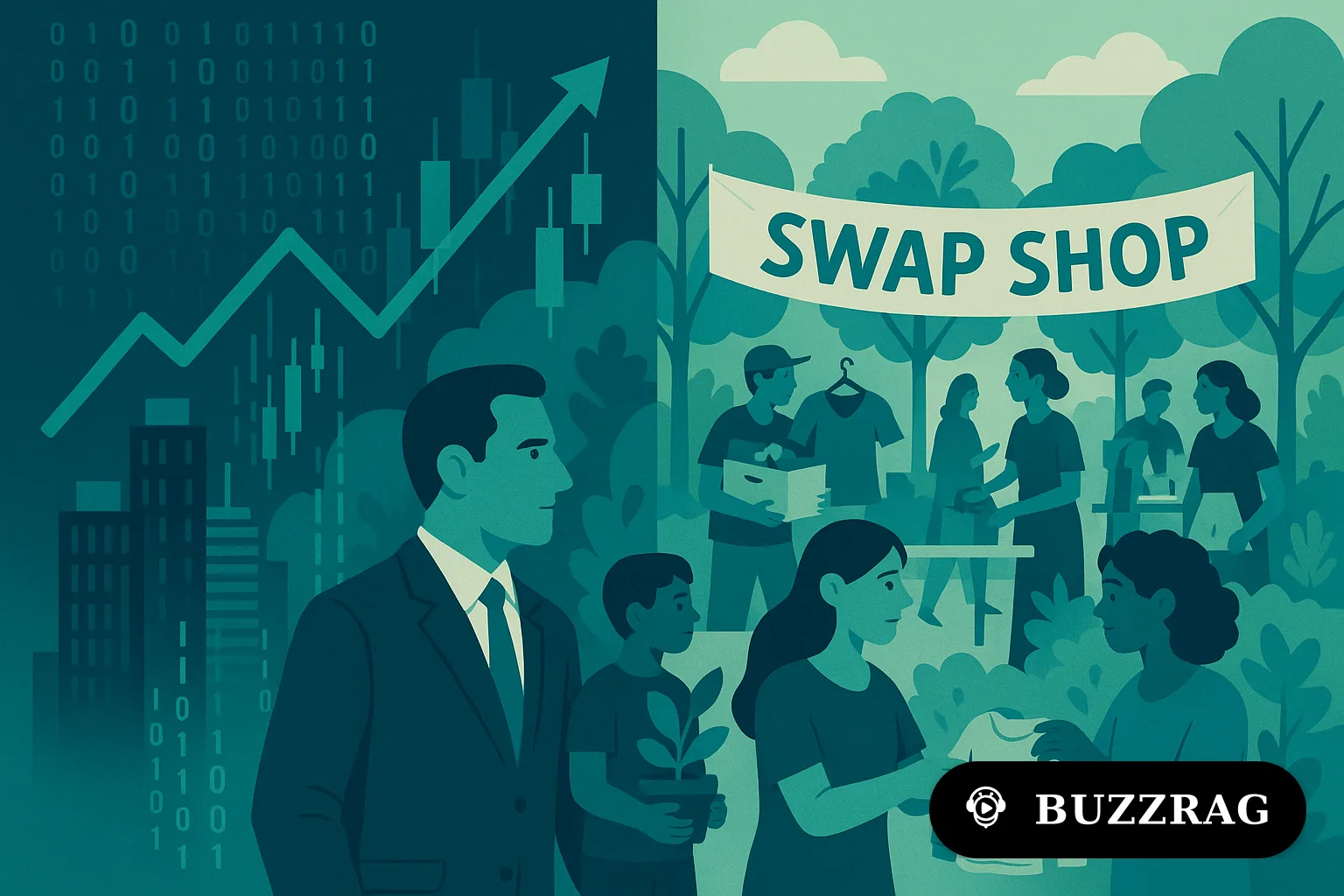
In a bid to alleviate financial pressure on families, a charity has opened a store selling second-hand school uniforms for just £5. This initiative is part of a broader effort to address the rising cost of living, particularly for low-income households.
The shop has quickly become a community staple, offering not only affordable clothing but also promoting sustainability by encouraging the reuse of garments. As families grapple with economic instability, such grassroots initiatives provide a vital lifeline and highlight the growing need for community-driven solutions.
The popularity of the shop underscores a broader societal shift towards thrifty spending and environmental consciousness. As economic pressures mount, more communities might adopt similar models to support their members.
Chevron's AI Leap with Microsoft Partnership
Chevron has positioned itself as a leader in the integration of artificial intelligence within the energy sector through a strategic partnership with Microsoft. Their joint venture involves establishing a cutting-edge data center in West Texas, aimed at revolutionizing oil extraction processes.
The deal signifies a shift in Big Oil's approach, where technology becomes a key driver of efficiency and sustainability. By leveraging AI, Chevron hopes to optimize resource management and reduce environmental impact, setting a precedent for the industry.
This move has been met with optimism from investors, who view it as a necessary evolution in a sector facing increasing regulatory and environmental challenges. Chevron's success could spur similar collaborations, reshaping how traditional industries harness technology.
As the corporate world navigates a landscape of mixed economic indicators and technological advancements, the focus remains on adaptability and innovation. Key developments in the coming months will be crucial in determining the trajectory of both the financial markets and the broader economy.