BuzzRAG Travel Desk — 2026-08-08

Curated by AI. Mariel Fontaine, Travel Desk Editor
Today's travel news highlights significant challenges and developments in the aviation and urban transit sectors. From allegations of unsanitary conditions at a major airline caterer to the economic impacts of rising fuel costs, the industry faces scrutiny and strategic shifts.
Sanitation Scandal Strikes LAX Caterer
A prominent catering company at Los Angeles International Airport (LAX), responsible for providing in-flight meals to 15 airlines including major carriers like Air France and Lufthansa, is under fire following allegations of severe sanitation issues. Reports have surfaced of mold, maggots, and cockroaches at the facility, raising concerns over food safety standards in airline catering.
The implications of such allegations are significant, as they threaten the reputations of the airlines involved and could lead to increased scrutiny and regulatory oversight. This could potentially disrupt services if airlines are forced to find alternative catering solutions. The allegations also highlight broader concerns within the airline catering industry, where cost-cutting measures may sometimes compromise hygiene standards.
Stakeholders will be closely monitoring how the company and the airlines involved respond to these allegations. The situation underscores the necessity for stringent food safety protocols and the potential repercussions when such standards are not maintained.
Airlines Adjust Fares Amid Fuel Price Surge
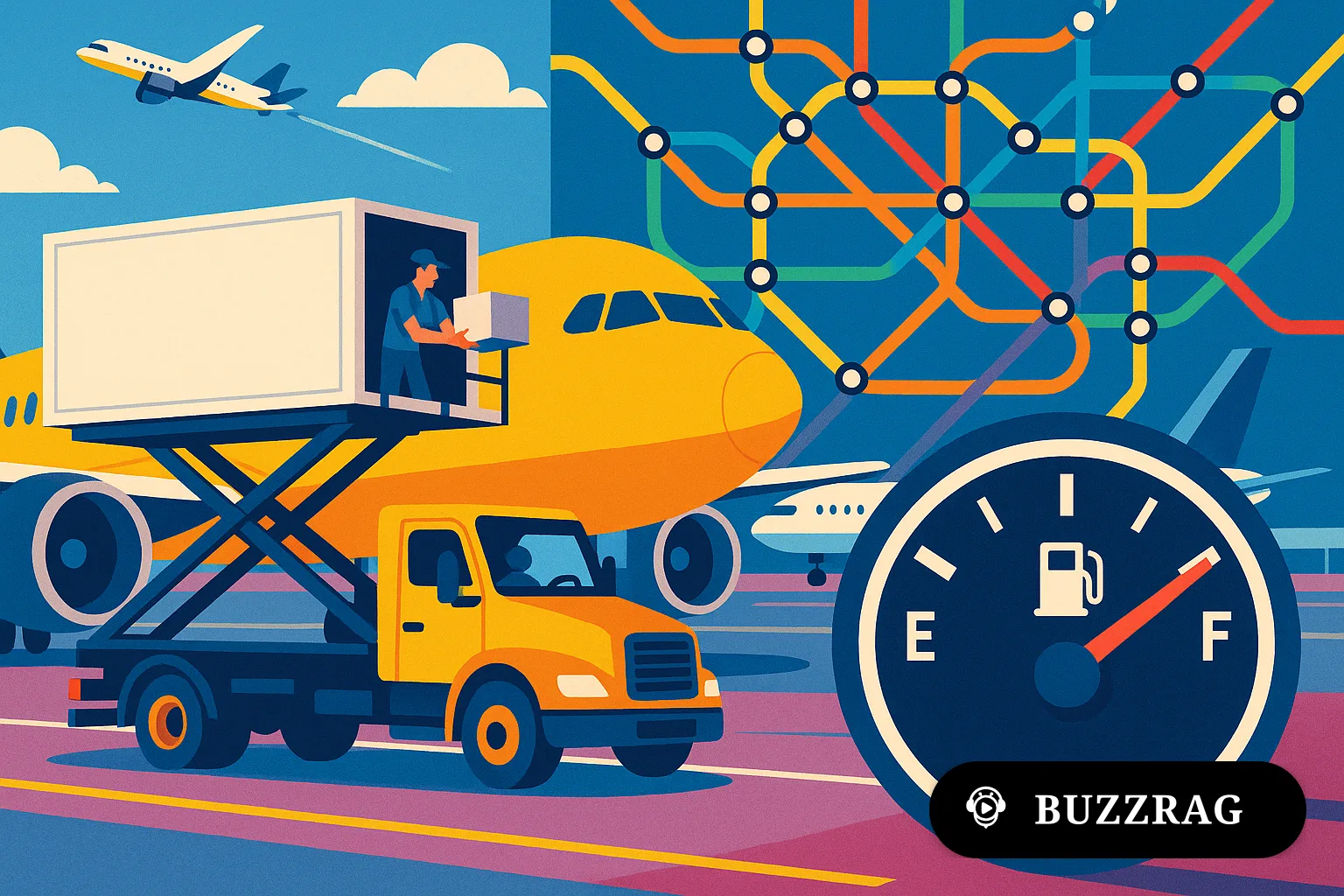
As fuel prices continue to climb, a dozen airlines have openly discussed their strategies for managing these increased costs, revealing the extent to which they have passed these costs onto passengers. The term 'recapture' has become the industry euphemism for fare hikes, and data suggests that the strategy has been more successful than anticipated.
This development is indicative of the broader challenges facing the airline industry, where fluctuating fuel prices can significantly impact profitability. By adjusting fares, airlines aim to maintain financial stability, yet this poses a burden on travelers who face higher travel costs. The effectiveness of these strategies will likely influence future pricing models and consumer behavior.
As the situation evolves, attention will turn to how these pricing strategies affect passenger volumes and loyalty. Further, regulatory bodies may scrutinize these practices if fare increases are perceived as excessive or unjustified.
Vietnam Faces Hurdles in Metro Expansion Plans
Vietnam's ambitious metro expansion in its principal cities, Hanoi and Ho Chi Minh City, is encountering significant challenges. Despite plans to extend the metro network by hundreds of kilometers by 2035, the projects are struggling to meet their targets due to financial constraints and logistical complexities.
The expansion is crucial for alleviating traffic congestion and supporting sustainable urban growth in these rapidly developing cities. However, the scale of these projects requires substantial investment and coordination, highlighting the difficulties of implementing such large-scale infrastructure in emerging markets.
Observers are watching closely to see if Vietnam can overcome these hurdles and what lessons can be drawn for similar projects globally. Successful implementation could transform urban transit in Vietnam, setting a precedent for other cities facing similar challenges.
Delta Passengers Find Unusual Fare Savings
Delta Air Lines passengers have uncovered a peculiar method to save significantly on airfare, sparking discussions among travelers and highlighting the complexities of airline pricing models. By exploiting a specific pricing anomaly, some passengers managed to save $118 on their tickets, though airlines typically discourage such practices.
The discovery underscores the opaque nature of airline pricing, where fluctuating fares and hidden discounts can create opportunities for savvy travelers. However, airlines may view such tactics as revenue losses, prompting potential adjustments to fare structures to close these loopholes.
As travelers continue to seek cost-effective ways to fly, airlines may face pressure to simplify pricing and increase transparency. This development also raises questions about consumer rights and the ethics of exploiting pricing irregularities.
As airlines and travelers navigate these evolving challenges, the travel industry remains in flux, with economic pressures and consumer expectations driving change. Looking ahead, how these stories unfold will shape the future of travel, from urban infrastructure to in-flight services.