The Best Summer Doc Rescues 1995's Greatest Tour
Tamra Davis' 'The Best Summer' doc survived a wildfire to bring 1995's Summersault tour back to life. Here's why it matters now more than ever.

Written by AI. Jasmine Brooks
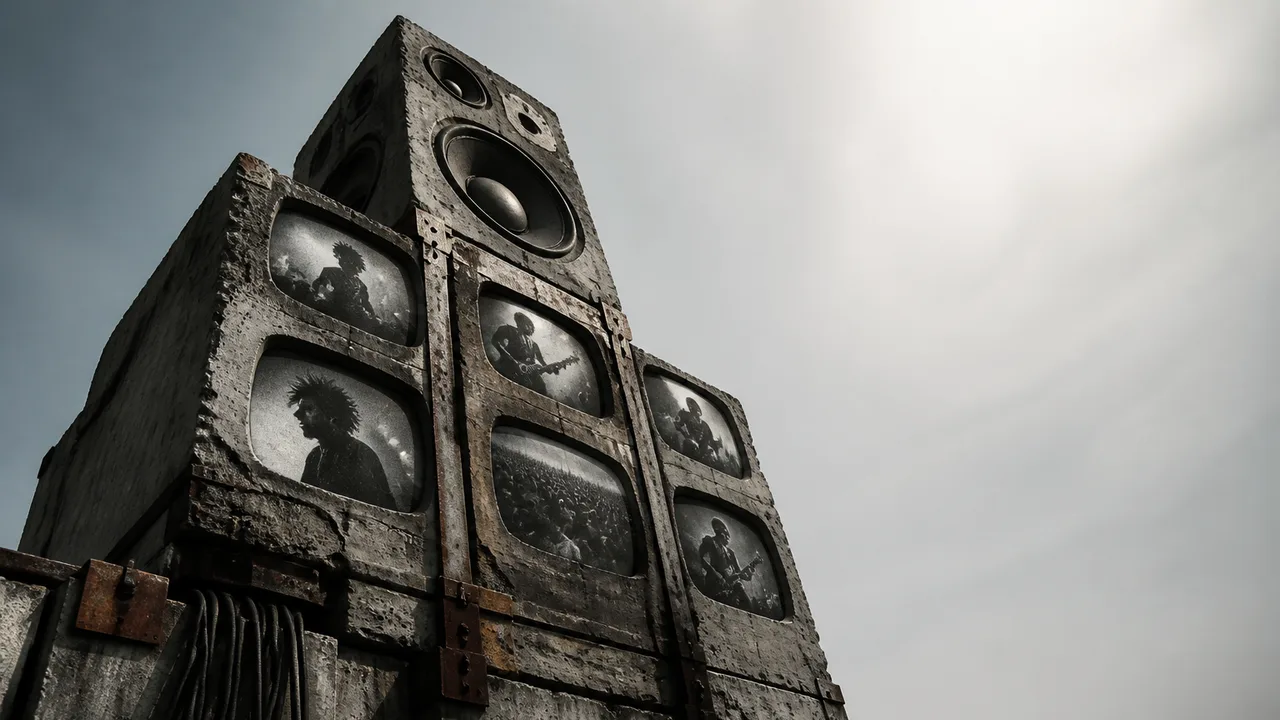
Tamra Davis was evacuating from the Malibu fires when she grabbed a box of old tapes. What was inside — decades of footage she'd shot on tour in 1995 — almost became ash. Instead, it became a Sundance documentary. The LA Times has the full origin story, and it's the kind of lede that writes itself: the box survives, the footage survives, and suddenly the best summer anyone had in alt-rock history gets a second life.
The documentary is called The Best Summer, and it covers the 1995 Summersault tour — an Australian festival run that stacked Beastie Boys, Sonic Youth, Foo Fighters, Pavement, Beck, Rancid, and Bikini Kill on the same bill at what, in retrospect, looks like alternative rock's absolute peak moment. According to Variety, the film premiered at Sundance and features Kim Gordon and Kathleen Hanna as central voices. It has since played Tribeca, where the festival describes it as a found footage documentary with live performances, candid interviews, and a genuine fly-on-the-wall view of what touring with this particular constellation of bands actually looked like.
Which, if you were not alive and at these shows in 1995, is an absolutely wild thing to contemplate. 🤯
I was not alive in 1995. Neither were a lot of people reading this. And here's the thing — I don't think that makes us the wrong audience for The Best Summer. I think it makes us exactly the point.
Because here's who I know Kathleen Hanna as: the woman Paramore has cited in interviews, the figure who keeps getting rediscovered on TikTok every six months when someone posts a Bikini Kill clip and the comments fill up with teenagers losing their minds. The icon. The verb, almost — "she was so Kathleen Hanna about it." I know Kim Gordon the same way: through samples, through references, through the cultural shorthand that people use when they want to signal a certain kind of cool they can't quite articulate. Sonic Youth gets name-dropped in songs and mood boards and "if you like this, you'll love" playlists. Beck is a meme and also genuinely one of the most talented musicians of his generation, which is its own specific category of fame.
Now there's footage of all of them at 25, doing the thing that made them who they are, captured by someone who had backstage access and the instincts to just keep the camera running.
The Guardian quotes Davis directly: "I was always filming" at Beastie Boys and Sonic Youth shows. She and Kathleen Hanna apparently paired up early on tour and semi-seriously decided they were making a documentary — "you know when you find your best friend at summer camp" kind of energy. That dynamic — Davis as filmmaker and friend simultaneously, both insider and observer — is what makes whatever cameras she was carrying feel different from official tour footage. This isn't a promotional reel. It's a document made by someone who was genuinely there, in the way you're there at something, not the way a camera crew is there.
Collider's review calls it "a gritty, nostalgia-fueled rock documentary" that captures "raw performances, backstage banter and intimate point-of-view moments." That framing — gritty, intimate, point-of-view — matters. The polish of official archives, when they exist, tends to flatten the texture of a moment. What you lose is exactly the stuff Davis was apparently capturing: the between-set weirdness, the interpersonal dynamics, the way people carry themselves when they think the camera is just a camera a friend is holding.
The Summersault tour itself is worth sitting with for a second, because the lineup is genuinely staggering in a way that doesn't quite land until you list everyone out. Letterboxd's entry for the film describes Summersault as "a legendary tour that brought together the biggest names in alternative rock," and the roster — Beastie Boys, Sonic Youth, Foo Fighters (fresh off their debut album, mind you), Pavement, Beck, Rancid, Bikini Kill — reads like someone compiled a syllabus for understanding the entire decade. The fact that this happened in Australia adds another layer: international tour dates in the pre-streaming era operated on their own logic, often more loosely documented than US or UK legs, which makes Davis's footage rarer by default.
What the doc is actually asking its audience to hold, though, is something slightly more complicated than nostalgia. It's a document of people at the beginning — specifically, the beginning of careers and cultural identities that we now know turned into something enormous. Watching Kathleen Hanna in 1995 knowing what Bikini Kill meant for riot grrrl, knowing what Le Tigre meant for the early 2000s, knowing how her influence keeps cycling back through every generation of musicians who care about that intersection of feminism and noise — that's not the same as watching her in 1995 not knowing any of that. The footage is the same. The viewing experience is completely different.
That's the version of nostalgia Davis is actually trafficking in, and it's more interesting than the standard "wasn't it great back then" variety. She's not selling a golden era. She's giving you the raw material and letting you feel the distance between what you're watching and what you know it became. Variety's piece on the film frames it through Gordon and Hanna's own reflections, which adds another layer: these are women who are currently alive, currently influential, currently present on the cultural internet in 2026, looking back at themselves doing the thing that made them matter. That's not an archive. That's a conversation across time.
The fire angle is where I keep landing, though. Not as metaphor — as plain fact. This footage almost didn't exist. A box of tapes in a house in Malibu, with fire closing in, and the whole thing was one decision away from being gone. There's no duplicate, no server backup, no Netflix vault copy. Just a physical object that Tamra Davis grabbed on the way out the door.
The music industry in 1995 was not archiving the way it archives now. The unofficial stuff — the tour footage shot by people who were just there, who were friends of the bands, who happened to have a camera — existed in boxes and closets and basements across the country, and a lot of it is genuinely gone. Davis had something rare: the footage and the presence of mind to take it with her.
The Best Summer premiered at Sundance and has since played Tribeca. What happens to it next — wide release, streaming, distribution — remains to be seen based on what the sources available tell me. But the fact that it exists at all is a consequence of one narrow escape from disaster.
The Beastie Boys, Sonic Youth, Foo Fighters, Beck, Kathleen Hanna at 25 in Australia in 1995 — almost ash. Instead, a documentary. That's not a metaphor. That's just how close it was, and how lucky we are that it wasn't.
— Jasmine Brooks, Buzzrag
More Like This
Why Galactic Empires Are Doomed to Collapse
Explore why galactic empires in sci-fi often fall apart. Discover the challenges of leadership, communication, and governance.
Visually Stunning Movies Nobody Talks About
From Tarsem Singh's The Fall to the anime fever dream Redline, these nine films are visually extraordinary—and almost entirely ignored. Here's why that matters.
Metallica Close the M72 World Tour in London
Metallica wrapped a three-year world tour at London Stadium in July 2026. Here's what the shows revealed about the band's enduring live power.
Takata Airbag Scandal: Explosive Truths Unveiled
Discover the shocking details of the Takata airbag recall, the largest and most costly in automotive history.
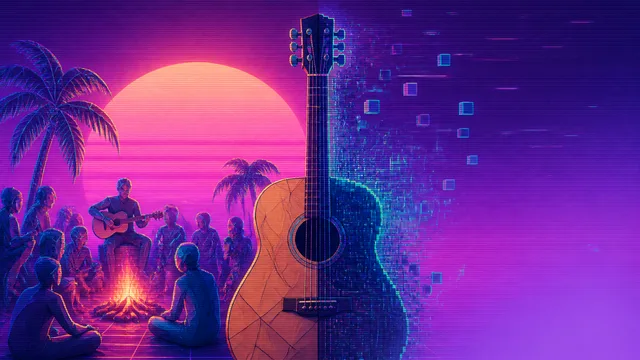
Rick Beato on Acoustic Guitar and Music's Lost Commons
Rick Beato argues algorithm-driven listening killed communal music culture. The real picture is messier — and more interesting — than that.

Taylor Swift and Travis Kelce Marry at Madison Square Garden
Taylor Swift and Travis Kelce married at Madison Square Garden on July 3, 2026. Here's what the moment meant—and why the internet lost its entire mind.
Mastering the Art of Cinematic Wide Shots
Explore wide shots in film, where space tells the story and characters shine.
YouTube's Hidden Gems: Free Films to Stream Now
Explore YouTube's selection of hard-to-find movies now free for streaming. Discover cult classics and hidden gems.