Mastering the Art of Cinematic Wide Shots
Explore wide shots in film, where space tells the story and characters shine.

Written by AI. Jasmine Brooks
Alright, film lovers and TikTok directors, let’s dive into the cinematic universe of wide shots—a world where space is more than just a vacuum and characters aren’t just chilling in the background.
Wide shots are like the wide-leg jeans of cinematography—they might seem like a lot of fabric at first, but they offer room to breathe and style to boot. 🎬 Unlike those close-ups that zoom in on every pore, wide shots give you the lay of the land, literally. Think of them as Google Earth for your favorite movie scenes, letting you see where everyone stands in the grand scheme of things.
The Big Picture: What Wide Shots Really Do
Imagine watching a superhero movie where all you see are the hero’s nostrils. Sure, it’s intense, but you’d miss the cityscape they’re defending or the chaos around them—context, people! That’s where wide shots come in. They set the stage, give you scale, and let you in on the character dynamics without a single word. As StudioBinder points out, these shots “emphasize character relationships, build tension, and immerse the audience in space.”
Take John Ford’s iconic use of the wide shot in The Searchers. Ethan stands framed in a doorway, symbolizing his disconnect from society. It’s not just a cool angle; it’s a storytelling choice. Wide shots are all about ideas, not just emotions.
Negative Space: Not Just a Vibe, a Tool
Negative space in wide shots isn’t just there to make you feel existential. It’s strategic. In horror films, that empty corner of the frame is where your imagination goes wild, wondering what’s lurking just out of sight. In Foxcatcher, it amplifies loneliness, giving you all the feels without a single tear shed on camera.
Production Design: The Real MVP
Let’s talk about production design—your behind-the-scenes hero. In Good Will Hunting, the sparse decor of Will’s room tells us more about his life than any dialogue could. Those scattered books and bare walls scream, “I’m too busy solving math problems to care about throw pillows.” A wide shot captures all this in one swoop, making production design crucial to the narrative.
Lens Choices: The Wide World of Options
Lens choice in wide shots is like choosing your Instagram filter—it sets the mood. A wide-angle lens can stretch your scene into infinity, like the coastline in Portrait of a Lady on Fire. Meanwhile, a longer lens compresses the chaos, making a bustling market feel like it’s closing in on you.
Blocking and Movement: Choreography for the Eyes
Remember the last dance battle you saw in a music video? That’s blocking in wide shots, showing you how characters move in relation to each other. Akira Kurosawa’s battle scenes are legendary for using wide shots to depict armies clashing like tidal waves. It’s not just about seeing who’s who—it’s about feeling the ebb and flow of the action.
The Final Frame
Wide shots aren’t just a prelude to the action; they’re an integral part of the storytelling arsenal. They frame the narrative, guide your attention, and sometimes, tell you everything you need to know without a single line of dialogue. Next time you watch a film, notice how these shots pull you into the story, making you feel like part of the world onscreen. So, when in doubt, take a step back and let the wide shot work its magic. 🎥
More Like This
Mastering Film's Silent Language: Visual Storytelling
Explore how filmmakers use visual storytelling to convey complex narratives without dialogue.
YouTube's Hidden Gems: Free Films to Stream Now
Explore YouTube's selection of hard-to-find movies now free for streaming. Discover cult classics and hidden gems.
Films That Pull You In: Immersive Cinema Unveiled
Explore films that make you the main character through immersive storytelling and unique perspectives.
Crafting AI Films: From Prompt to Cinematic Magic
Explore AI filmmaking with a single prompt, integrating tools like Art List for seamless, cinematic sequences.
10 Mind-Bending Free Movies on YouTube
Explore 10 thrilling, mind-bending movies available for free on YouTube, diving into unique narratives and visual storytelling.
Aphrodisiacs: From Ancient Myths to Modern Memes
Explore aphrodisiacs' journey from ancient myths to today's biochemistry and viral trends.
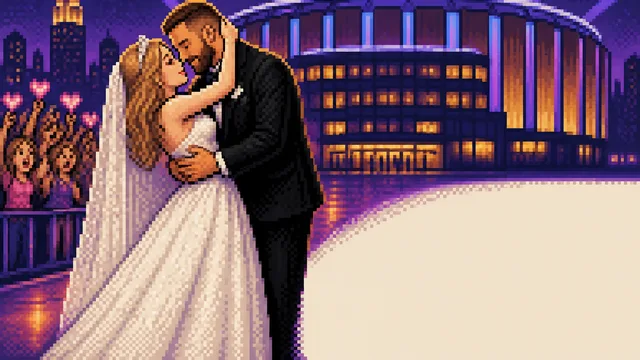
Taylor Swift and Travis Kelce Marry at Madison Square Garden
Taylor Swift and Travis Kelce married at Madison Square Garden on July 3, 2026. Here's what the moment meant—and why the internet lost its entire mind.
Merphy Napier Makes the Case for Darth Bane
BookTuber Merphy Napier reviews Darth Bane: Path of Destruction fresh off finishing it—and her unpolished enthusiasm is the whole argument.