Schools and Libraries Resist Possible FCC E-Rate Rollback
Schools and libraries warn that E-Rate cuts could raise internet costs. The FCC's screen-time concerns raise a separate question about how schools use access.

Written by AI. Mike Sullivan

Schools and libraries across the United States are urging the FCC to preserve E-Rate, a roughly $2 billion-a-year program that helps pay for their internet connections. FCC Chairman Brendan Carr has criticized rising screen time in schools, putting a decades-old connectivity program into a fight about how classrooms use screens.
That fight has an awkward feature: a school can require less screen time and still need an internet connection. Teachers may decide when a lesson works better with paper. The office still has to communicate with families, and the library down the street still serves people who need access outside school. A proposal to change the subsidy would reach all of those uses, depending on how far the FCC goes.
The next step remains open. The commission could pursue a narrower overhaul or seek to unwind the program more broadly. Until it sets out a change, predictions about which connections might disappear are predictions, not outcomes.
A Program Built for Access
E-Rate grew out of the 1996 telecommunications law, an era when putting a school or library online looked like the assignment. The public argument was about whether students and patrons could get a connection at all. Today’s argument concerns what happens after they have one.
The program lowers school internet bills. That makes it easy to confuse with a subsidy for every digital product a district buys, but the immediate budget question is connectivity. A faster network can support an hour of assigned videos. It can also support administrative systems, communication and a teacher looking up information for a lesson that ends with everyone closing their laptops. The connection does not choose the lesson plan.
Schools also face a cost question that does not vanish if they reduce classroom screen time. If a district continues to need internet service and loses help paying for it, it must find the money elsewhere, change what it buys or do some combination of the two. The eventual choice would depend on local budgets and any rule the FCC adopts. Cutting a discount offers no guarantee that the corresponding screen activity will stop.
Libraries complicate the screen-time argument further. Public library internet access is part of the proposed E-Rate debate, yet a library connection serves people with unreliable service at home as well as students. A patron using it to reach a service or find information does not fit neatly into a complaint about classroom devices. Libraries and schools share a program, but they do not share one screen-time policy.
Carr’s Concern Has a Different Target
Carr’s criticism of increased screen use deserves a direct answer. Schools have reasons to examine when they assign online work, how long students spend with devices and whether a purchase improves instruction. Buying a digital tool can be easier than proving it helps. Anyone who remembers a computer lab full of machines that had already aged out of their promised revolution will recognize the problem.
The strongest case for changing E-Rate begins there. A federal subsidy reduces the cost of connectivity, and lower costs can make it easier for institutions to expand digital activity without asking hard questions about its value. Policymakers can reasonably ask whether program rules still serve their purpose and whether schools should have more room to limit screen use.
But those questions point toward decisions about use. School officials choose assignments, devices and classroom routines. Library officials manage patron services. The FCC would be acting on the cost of the underlying connection. If its aim is to address time spent on screens, it needs to explain how a connectivity change would affect that behavior rather than other tasks carried over the same network.
Canceling broadband might reduce streaming in the living room. It would also remove every other reason the household had for paying the bill. Institutions have more users and more competing obligations. A classroom screen-time rule can tell teachers when to put devices away; an internet bill cannot.
What an Overhaul Would Have to Answer
The debate already extends beyond one constituency. Stakeholders have weighed in on an E-Rate overhaul, and schools and libraries are pressing the FCC against ending the program. Their concern is straightforward: a discount that has shaped connectivity costs for decades is difficult to remove without forcing budget decisions.
For the FCC, the first practical question is scope. Would a change target some uses of E-Rate, alter the help institutions receive, or withdraw support across the program? Those choices carry different consequences. A narrower rule might leave basic connections in place while trying to address a concern about how funds are used. A broad rollback would put the cost of connectivity itself back on schools and libraries.
The second question is the mechanism. If the stated goal is healthier use of screens in schools, what would count as success? Fewer hours on devices? Different types of assignments? More local control? None follows automatically from a higher internet bill. The FCC can make a case for reviewing an old program, but age alone is a poor measure of whether a utility has outlived its job. Nobody argues that a school should abandon plumbing because a new teaching fad involved too many trips to the water fountain.
Defenders have a question to answer, too. Preserving connectivity does not settle whether schools use it well. E-Rate supporters make a strong case for keeping access affordable, especially where a public library fills a gap left by unreliable home service. That case leaves room to scrutinize device policies and spending on educational software. Keeping the connection and examining the products that run over it are compatible choices.
The dispute recalls an old technology cycle. First comes a push to connect everyone. Then institutions build routines around the connection. Eventually the argument shifts to the quality of what travels over it, and someone proposes solving that problem by changing the infrastructure. Sometimes the infrastructure does need updating; sometimes the proposed fix misses the conduct it was supposed to change. The 1996 origin of E-Rate makes it overdue for questions, but those questions should identify which part of the program does what.
Carr’s screen-time criticism asks schools to account for what students do online. Schools and libraries are asking the FCC to account for what happens if they have to pay more to get online at all. The shape of the FCC’s next proposal will show whether it is trying to change screen habits or the public commitment to a connection.
More Like This
Do You Really Need an $80 HDMI Cable? Maybe Not
Tech reviewer Adam tests a premium HDMI 2.1 cable. We examine what you're actually paying for and whether most users need it.

Atlas Can Lift a Fridge. Now What?
Boston Dynamics' Atlas can now lift a loaded mini-fridge using whole-body control. Here's what the demo actually tells us—and what it doesn't.
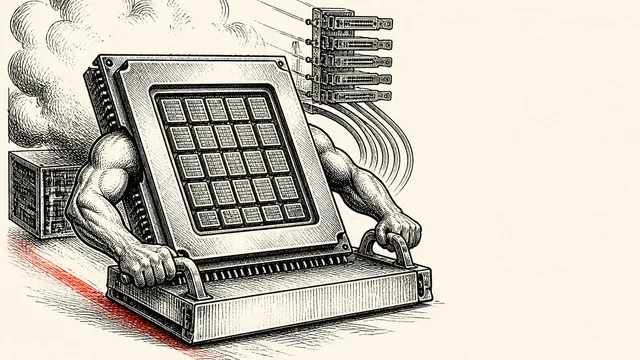
AMD EPYC 8005 Sorano: A Genuine Generational Leap
AMD's EPYC 8005 Sorano upgrades SP6 with Zen 5 cores, 84-core density, and 96 PCIe Gen 5 lanes—but the ecosystem remains niche and memory costs sting.
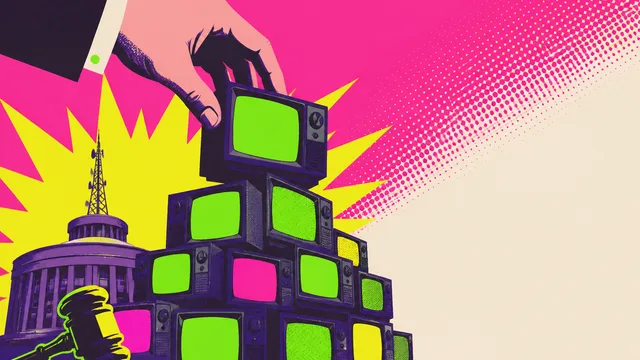
FCC Kills TV Ownership Cap in Win for Big Broadcasters
The FCC's vote to repeal the 39% TV ownership cap replaces a hard limit with "case-by-case review." We've seen this movie before — in radio.
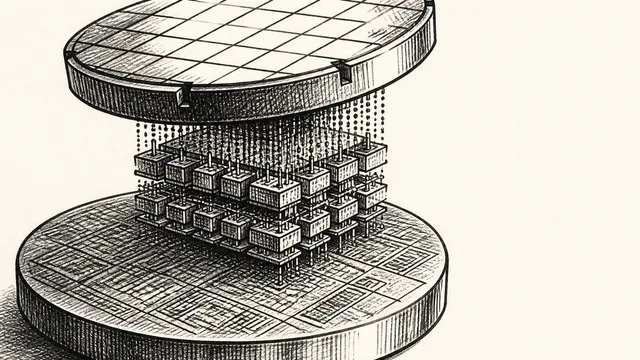
IBM NanoStack and the Future of Chip Architecture
IBM's NanoStack stacks transistors from separate wafers using atomic bonding. The physics works. The harder question is whether anyone can manufacture it at scale.
Inside the Smartphone: 120 Years of Hidden Engineering
Professor Hannah Fry tears apart a modern smartphone to trace 120 years of engineering history — from Marconi's radio waves to a 200-million-pixel camera sensor.