Onimusha: Way of the Sword Review Roundup
Onimusha: Way of the Sword lands to strong reviews, but the debate over which modern conventions Capcom kept reveals a familiar dilemma.

Written by AI. Lily Tsai
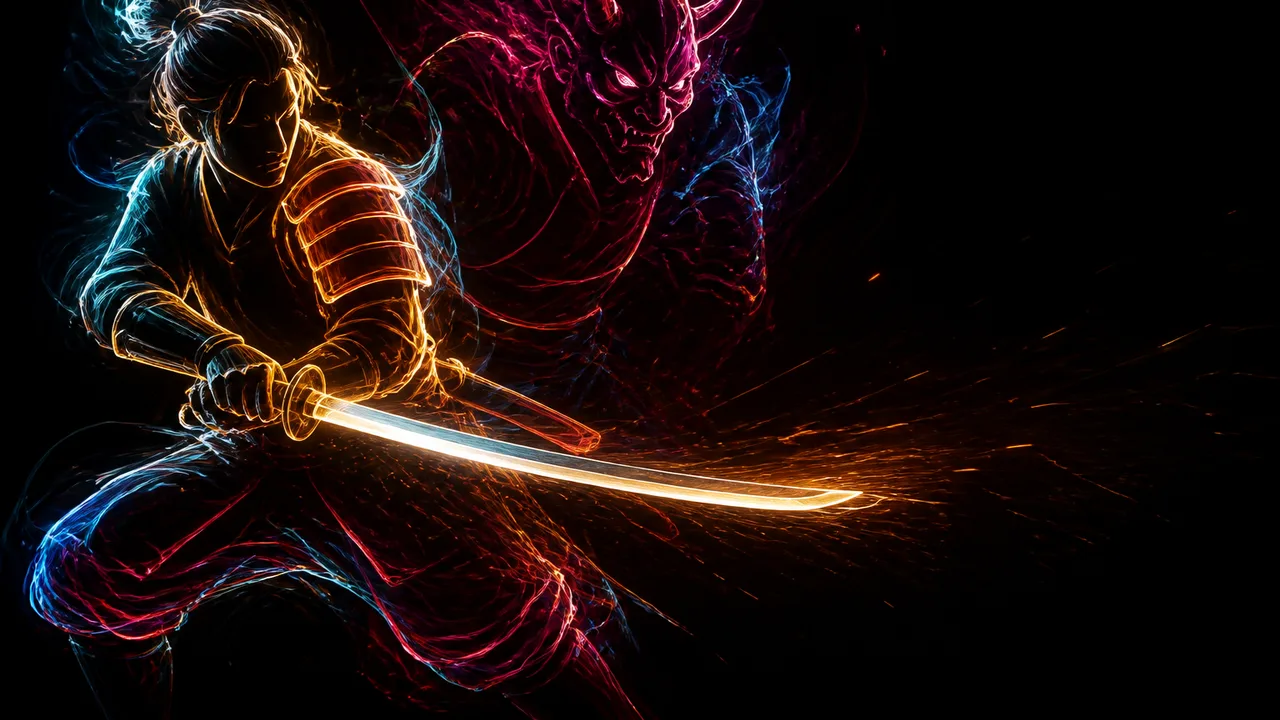
A four-person team porting a 2003 game jam concept to a 2026 audience has to make that call with no safety net: cut the dated mechanic and lose the soul, keep it and watch the Steam reviews call it "clunky." So when Capcom, with its enormous budget and franchise library, makes the same call on a beloved dormant IP, I pay attention differently than most of the people covering it. The question is not whether Capcom can afford to get it wrong. It is whether having that much runway actually makes the decision easier.
Onimusha: Way of the Sword landed in late August 2026 and the review pool is now large enough to read. The headline, per Polygon and GamesRadar+, is that Capcom has its fourth critical hit of 2026, with GamesRadar+ noting the aggregate score is tracking ahead of another major Capcom release this year. Pure Xbox called the first wave of reviews "very good." Prima Games ran their piece under the header "It's Good to Be Back." Nintendo Life's roundup confirms the consensus skews positive. The series went dark after 2006's Dawn of Dreams and its return is, by most critical measures, a success.
But "success" in a review roundup hides a lot of texture, and the texture here is what I actually want to talk about.
The praise clusters around combat and boss design. DualShockers specifically cited memorable boss fights as the reason to buy in. PCGamesN called it a "sword saintly samurai thriller," which is a phrase that tells you the atmosphere landed. Kotaku and IGN both reviewed it, and the broader picture from Hardcore Gamer is that the game's commitment to its hack-and-slash identity reads as a feature, not a limitation. Capcom did not try to turn Onimusha into an open-world RPG or a soulslike. For a franchise revival in 2026, that restraint is not obvious. Plenty of publishers would have.
The friction shows up most clearly in Video Games Chronicle's review, which ran under the subtitle "A series reborn with great fights, but too many wrong modern lessons." The critique is not that Way of the Sword feels old; it is that the modern elements Capcom chose to incorporate are the wrong ones. VGC's framing implies a selection problem: someone looked at the landscape of contemporary action games and borrowed from the parts that don't fit, while the parts that might have elevated the experience stayed on the table.
This is the exact problem I watch indie developers navigate constantly, and it is harder when you have more resources, not easier. A small team updating an old genre has clarity forced on them by constraint. They cannot implement every modern system; they pick one or two and live with the consequences. Capcom can implement anything. That freedom means the decisions about what to modernize are actually creative choices, not survival choices, and creative choices at scale are where franchises go wrong. The original Onimusha games had fixed camera angles, deliberate pacing, and an atmosphere built on compression and limitation. Those were not accidents of the PS2 era; they were load-bearing. When you have the budget to replace them with something shinier, you have to know which ones mattered.
From what Eurogamer, PC Gamer, and Game Rant suggest in their coverage, Way of the Sword kept the combat identity and the visual seriousness. Those were the right calls. Where the reviews get cooler is around narrative and some of the structural choices, with Hardcore Gamer noting that certain mechanics feel dated against 2026 expectations. TheGamer's review is in the pool as well, adding to a critical picture where the floor is solid and the ceiling is gated by what Capcom decided to modernize versus leave alone.
Capcom's recent track record with revivals is relevant context here. Resident Evil, Devil May Cry, and Mega Man all came back to audiences larger than the ones that remembered them. The pattern is not random: Capcom tends to identify what the original game did that felt irreplaceable, build the new entry around that, and update the surrounding infrastructure. With Onimusha, the soul of the original is the combat and the atmosphere. By most critical reads, those survived. What didn't survive cleanly is the question VGC is asking, and it is a fair one.
I read the "wrong modern lessons" critique as structural, not cosmetic. Adding a skill tree to an Onimusha game is not automatically wrong. Adding the wrong skill tree, one that flattens the build decisions or pads playtime without consequence, is wrong in a way that no amount of budget fixes after the fact. The indie developers I follow who have navigated this most successfully tended to start from a single sentence about what made the original feel alive, and then test every modern addition against that sentence. The ones who started from a feature list of things contemporary games have ended up with games that passed review and felt hollow. Way of the Sword, from the critical record available, is somewhere in between: the sentence survived, but a few additions didn't get tested hard enough against it.
My read on what Capcom does next: they ship a follow-up, probably within three years, and the design brief gets tighter. The pattern with their revivals is that the first game back establishes the audience exists; the second one figures out what that audience actually wants. Resident Evil 7 was the proof of concept; RE Village was the answer. If Way of the Sword performs commercially the way the review scores suggest it should, Capcom will have the data to make a more confident set of cuts next time. The "wrong modern lessons" will become negotiable. The ones that worked will become the template.
Whether they listen to VGC's specific critique or triangulate from player feedback, the mechanism is the same: a successful enough first entry buys the studio the right to have an opinion about the second one. Capcom now has that opinion to develop.
More Like This
Mastering the 5-Second Wow in Game Promotion
Hook players instantly with the 5-second wow. Discover strategies for game promotion.
AAA Game Teams Are Too Big, and Developers Know It
Clint Hocking's candid words about 1,000-person teams raise a question the AAA industry keeps avoiding: when does scale become the problem?
Star Fox 2026 Review: Great Game, Wrong Ambition
Skill Up reviews the 2026 Star Fox remake: gorgeous, fun, and built exactly like a premium mobile game — which is both its strength and its ceiling.
Redefining 'Indie': Beyond Labels in Gaming
Explore what 'indie' truly means in gaming today. Is it a genre, a spirit, or something else entirely?
Saber CEO's AI Comments Put Game Writers on Notice
Saber Interactive CEO Matt Karch said he'd have replaced lead writer Stella Sacco with AI "in retrospect." Here's what that actually means for game writers.
The Sinking City 2 Review Roundup: Atmosphere vs. Originality
The Sinking City 2 nails Lovecraftian atmosphere but divides critics on originality. Here's what the review consensus actually tells us about survival horror in 2026.
Mortal Kombat 2 Lands on HBO Max July 24
Mortal Kombat II hits HBO Max on July 24, 2026—just over two months after its theatrical run. Here's what the numbers and timing tell us about WB's strategy.
Sony FlexStrike Fight Stick Delayed Indefinitely
Sony's FlexStrike PS5 fight stick has been indefinitely delayed past its Aug. 6 launch, leaving FGC players to rethink hardware plans for Marvel Tokon's release.