Nirvana to Receive the 2026 MTV Video Vanguard Award
Nirvana will receive the Video Vanguard Award at the 2026 VMAs on September 27. What the honor says about canonization, MTV's history, and the band's legacy.

Written by AI. Aminata Diallo
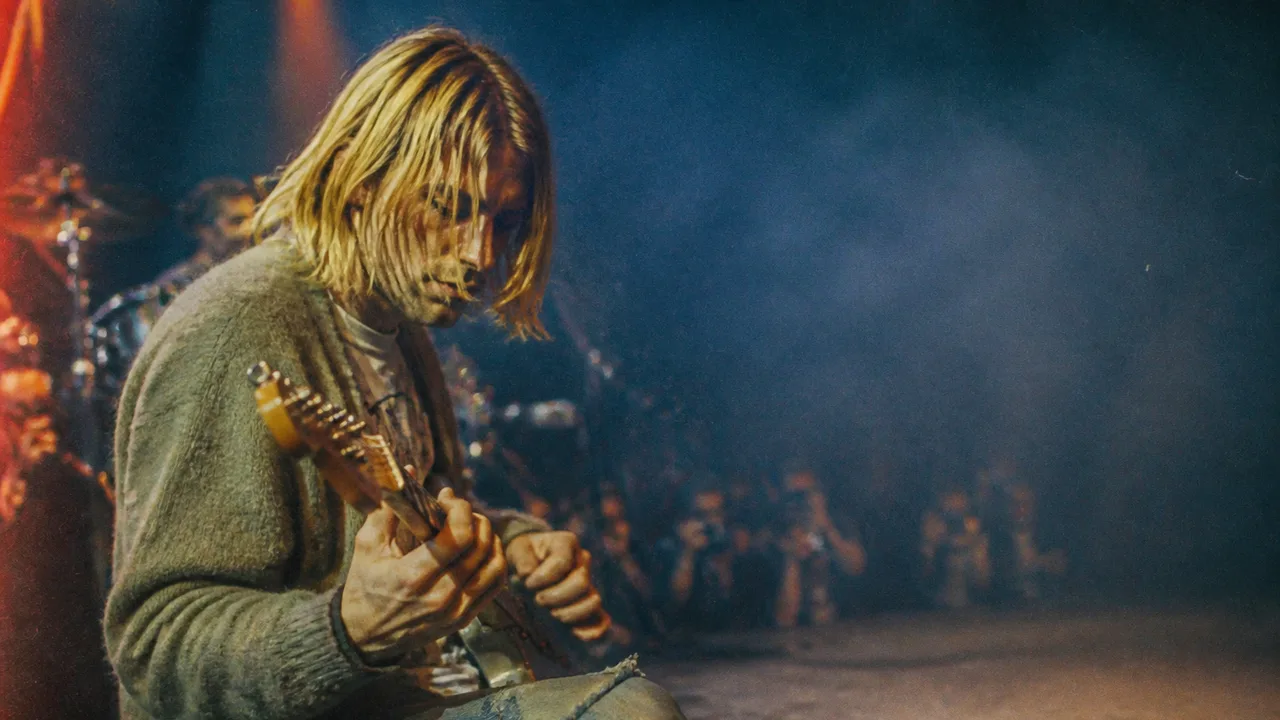
Nirvana will receive the Video Vanguard Award at the 2026 MTV Video Music Awards, with the ceremony scheduled for Sunday, September 27, airing on CBS and MTV and streaming on Paramount Plus, according to the network's announcement shared by Just Jared. The news, also reported by Pitchfork, Rolling Stone, Billboard, The Hollywood Reporter, and Stereogum, landed on September 9, the same date in 1992 that Nirvana first performed on the VMAs stage.
"This day in 1992, Nirvana took to the VMAs stage for the first time, shaping music, culture, and MTV forever," the VMAs Instagram account announced on Wednesday, as quoted by Yahoo Entertainment.
The timing of the announcement was clearly deliberate. The 1992 appearance is one of the show's most replayed moments: Kurt Cobain singing from a wheelchair staged by the band as a jab at speculation about his health, Krist Novoselic's bass tossed into the air and landing on his own head. MTV, in other words, is honoring a band whose most famous contribution to its broadcast was a refusal to behave on it.
The Vanguard Award's Recent Company
The Video Vanguard Award has recently gone to solo pop stars: Mariah Carey in 2025, Katy Perry in 2024, Shakira in 2023, and Nicki Minaj in 2022, as People catalogued. InMusicBlog reports that Nirvana will be the first band honored in over 20 years, though the source does not name the previous band recipient, and the historical record on that point is thin in the available coverage. I would not confirm that detail beyond what the sources state.
The recent lineup tells its own story. MTV built the Vanguard award to celebrate the visual grammar of music video, and for the past four years it has rewarded solo performers whose videos were brand extensions as much as art works. Nirvana's clips, directed by people like Kevin Kerslake and Samuel Bayer, looked deliberately cheap, grainy, and hostile to the gloss that paid for them. "Smells Like Teen Spirit" was filmed to resemble a decayed high school pep rally shot on a failing projector. That aesthetic won on the channel that it was, in part, mocking.
What Canonization Does
The selection raises a question that Consequence frames directly: what happens when one of alternative rock's defining legacies enters a ceremony built around music television's changing identity? The band's most consequential work emerged while the boundaries between underground credibility, mass exposure, and corporate entertainment were being fiercely negotiated, and Cobain spent those years visibly torn about being on the winning side of that negotiation. He wore a "Corporate Magazines Still Suck" T-shirt on the cover of Rolling Stone. He listed the band's own record, "Incesticide," as one he did not want fans to buy at full price, warning that it was a cash-in. His liner notes read like a man trying to outrun his own distribution network.
Institutional recognition tends to resolve that tension by editing it out. A tribute can present Nirvana as a monument: the grunge band, the flannel, the three chords, the tragedy. It can present the band as a clean endpoint, the moment alternative music arrived. What it cannot easily present is the discomfort that made the arrival feel like a problem to the people arriving.
The strongest defense of the award is straightforward and largely persuasive. Recognition is not endorsement of everything the institution does; it is an acknowledgment that Nirvana's videos changed what a mainstream audience would tolerate on its screens. Their visual work made lo-fi acceptable, made anti-performance a performance style, and opened a door that everyone from Billie Eilish to contemporary hip-hop production aesthetics has walked through. Honoring that at an awards show is arguably more honest than pretending the underground stayed underground.
The strongest critique is equally direct. An awards show is a rights-holder's marketing event, and by September 27 the ceremony will use Nirvana's image, catalog, and grief-soaked history to sell a broadcast. Cobain's estate and surviving band members have licensed the legacy carefully in recent years, but the band never consented to become a monument, and its central figure died at 27 after spending his last years arguing with his own fame.
Both things can be true at once. The tribute will likely be the most-watched acknowledgment of Nirvana's visual legacy in years, and it will also be a corporate apparatus absorbing the one band that spent its peak ridiculing that apparatus. Readers can weigh those facts and land where they land.
What to Watch on September 27
The open question is how the tribute frames the history. A clean montage of clips, a celebrity introduction, a catalog sync: that is the monument version. The alternative, harder to stage, would treat Nirvana as a living influence, visible in how current artists still use noise, vulnerability, and image-making to challenge the mainstream. Which artists perform, who introduces the segment, and whether anyone onstage mentions Cobain's ambivalence rather than just his genius will indicate which version MTV has chosen.
The last word on this belongs, awkwardly, to the network giving the award. In 1992, MTV let a wheelchair-bound joke and a bass-guitar head wound onto live television because the ratings made it impossible not to. Thirty-four years later, the same institution is handing that band its highest honor on the anniversary of the night they mocked it. The Vanguard Award has rarely had a recipient so well qualified to have refused it.
More Like This

2026 Booker Prize Longlist: What 13 Novels Reveal
The 2026 Booker Prize longlist names 13 novels from 163 submissions, including two past winners and three debuts. Here's what the selection actually signals.
Tim Pope and the Art of the Music Video
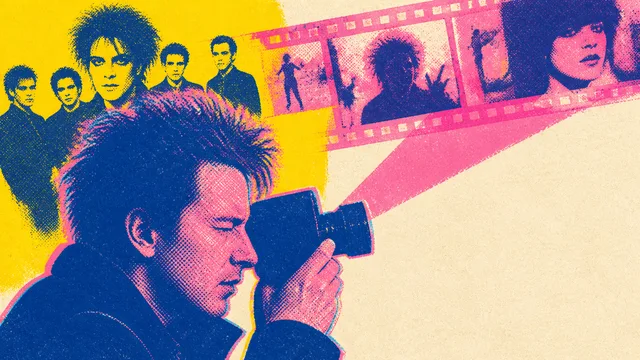
Tim Pope shaped MTV's golden age directing The Cure, Bowie, and Queen. His memoir revisits a creative window that reshaped how the world heard—and saw—music.
Dolly Parton Is Exploring Avatar Performances
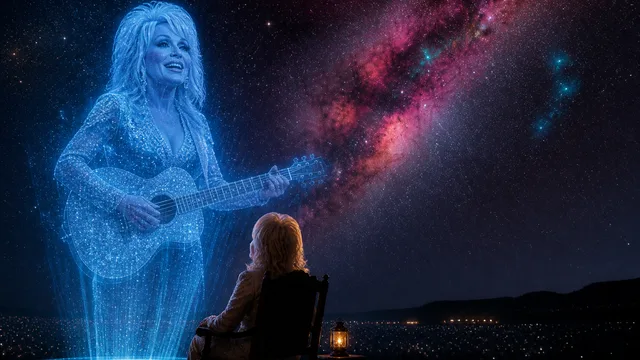
Dolly Parton is in early talks to create avatar performances amid health challenges. Here's why she might be the most avatar-ready artist in music history.
Dolly Parton Dies at 80: A Legacy Beyond Country Music
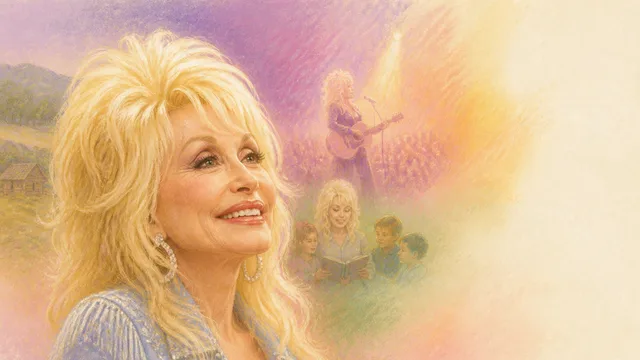
Dolly Parton has died at 80. From Appalachian poverty to global icon, her legacy in music, film, philanthropy, and culture was without parallel.
Academy Museum Gala 2026 Honors Carpenter, Domingo, Theron
The 2026 Academy Museum Gala honors John Carpenter, Colman Domingo, and Charlize Theron on Oct. 17—a trio that reveals a lot about what Hollywood is choosing to remember.
Bruce Dern at 90: A Career Built on Refusals
At 90, Bruce Dern reflects on a career defined as much by the roles he turned down as those he took. A look at what his choices reveal about Hollywood.
World Cup 2026's Heat, Cost, and Political Fault Lines
From $11,000 tickets to denied visas and doubled emissions, the 2026 World Cup's off-pitch challenges may define the tournament as much as the football.
Did a Catholic Priest's Faith Corrupt the Big Bang?
Three cosmologists unpack whether Georges Lemaître's faith compromised his science—and why the real threat to cosmology is political, not theological.