Levi's Stadium Slide Injury Case Narrows After Ruling
A summary-judgment setback in a Levi's Stadium slide injury case raises questions about contractor duties, surviving claims and who controls risks at venues.

Written by AI. Elena Vasquez-Moreno
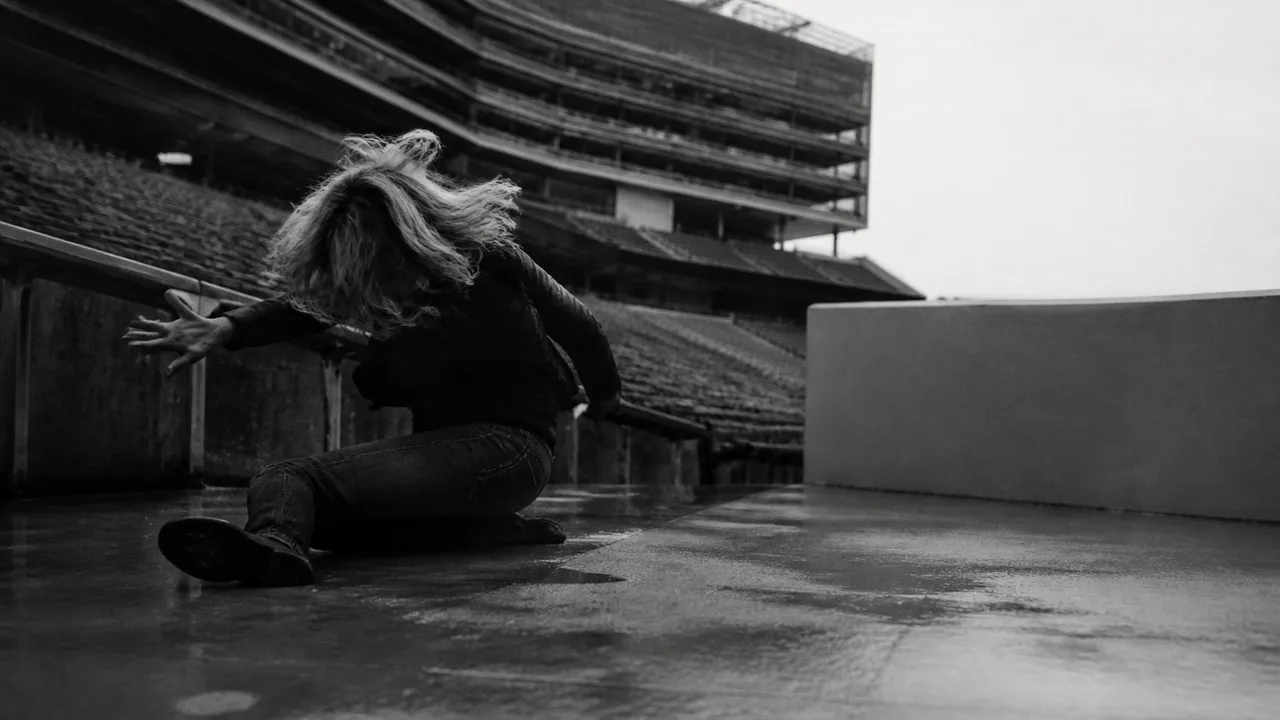
Sandra Page Taylor went to a concert at Levi’s Stadium in May 2022, used a large slide after a Landmark employee encouraged her to try it, and suffered a serious injury. She sued the event-staffing company and other parties connected to the venue. Landmark has since won an adverse summary-judgment outcome against Taylor, Sports Litigation Alert reported.
That account establishes a consequential result, but leaves the boundaries of the ruling unclear. The available information does not include the court’s written reasoning, identify every claim affected, or establish the status of the other defendants. A judgment favoring one contractor could sharply reduce Taylor’s avenues for recovery while litigation against another party continues. It could also turn on a legal issue too narrow to settle who controlled the slide. The order is needed to tell those possibilities apart.
The case presents a familiar problem inside a stadium: guests encounter one venue, while the work of running it may be divided among an operator, an event-staffing firm and whoever provides an attraction. A worker’s encouragement can sound to a guest like an assurance that the attraction is ready to use. In court, the questions become more precise. What was that worker authorized to do? Who was responsible for warnings? Who could take the slide out of service? The reported facts answer none of those questions yet.
What the Ruling Can Establish
Summary judgment allows a court to decide a claim without a trial when the governing legal standard leaves no genuine dispute over facts that would affect the outcome. The court examines the evidence and the law; it does not convene a jury to choose between competing accounts of a consequential event. Such a ruling can dispose of an entire lawsuit, one defendant’s part of it, or only certain claims or issues. Its reach depends on the motion and the order.
The reported result concerns a motion brought by Landmark and an adverse outcome for Taylor. Without the ruling, readers cannot know whether the judge found that Landmark owed her no relevant duty, that the evidence could not establish a breach, that causation was lacking, or that another ground controlled. Those are possible legal pathways, not findings in this case. Each would give stadium operators and contractors a different lesson about what to document and who should make decisions on site.
The employee’s alleged encouragement is an important fact, but it does not settle Landmark’s legal responsibility by itself. A court could examine the worker’s role, the circumstances of the invitation and the evidence linking it to the injury. Nor can the adverse outcome, on the information available, tell us whether the slide was defective, whether warnings were given or whether Taylor knew of a risk. Filling in those blanks would turn a reported ruling into an invented one.
The same restraint applies to the other defendants. Taylor sued Landmark and other venue-connected parties, but the available account does not identify the outcome of every claim against them. A reader should therefore avoid treating Landmark’s result as a verdict on the stadium’s entire safety operation. The written order and the case docket would show whether any claims remain and whether the ruling becomes the subject of an appeal.
The Guest Sees One Stadium
At a concert, a patron seldom has reason to distinguish the person managing a queue from the company responsible for an attraction or the entity overseeing the property. The visitor sees staff, a slide and a stadium name on the building. The businesses behind that experience may have divided the work in contracts the visitor never sees.
That division can serve a practical purpose. An operator may hire specialists for staffing or attractions rather than maintain every capability in-house. A contractor may accept a defined assignment and price its services around that assignment. Clear responsibilities can improve safety because someone knows who inspects equipment, who trains workers and who has authority to close an attraction. Ambiguity produces the less useful arrangement in which every party expects someone else to make the call.
Taylor’s case makes that allocation a legal question, though the available account does not disclose the relevant contracts or staffing instructions. If Landmark’s assignment was limited to directing guests, its obligations could differ from those of a company that installed or ran the slide. If its employees had responsibility for supervising use or giving warnings, that would point the analysis toward their training and authority. Neither description should be mistaken for a finding about what Landmark actually agreed to do.
A careful review would start with documents that specify duties rather than with job titles alone: the staffing agreement, any attraction agreement, operating procedures, training materials and incident records, if they exist and are part of the case. Witness accounts could help establish what the employee said and what Taylor understood. The court’s order would indicate which of those questions, if any, affected the result. Until then, the central operational question remains open: which party was supposed to intervene before a guest used the slide, if an intervention was needed?
Where the Financial Risk Lands
For stadium businesses, a safety duty also carries a financial consequence. Agreements can allocate the cost of defending a claim through insurance requirements and indemnification provisions. They can specify who maintains an attraction, supplies workers, trains them and handles an incident. Those terms may shape how the parties respond after an injury even when the injured guest never signed the agreements.
No contract, policy limit or indemnification clause has been supplied for this dispute, so its eventual cost cannot be assigned to Landmark, another defendant or an insurer from the reported ruling alone. A court’s decision about a claim and the parties’ arrangements for paying legal bills are separate inquiries. The first asks whether a defendant faces liability under the applicable law. The second may involve promises between businesses and the insurance they purchased. Both influence how much risk each participant carries when a venue adds an attraction to an event.
That is the business question underneath a deceptively simple invitation to try a slide. Additional attractions can make a concert visit more appealing, but they add another operation to staff and supervise. The financial upside of that experience and the burden of managing its risks need not fall on the same entity. Contracts can address the mismatch; they cannot, by themselves, tell a guest which employee has the authority to say the slide should close.
None of this establishes that Taylor’s injury resulted from poor supervision, an inadequate warning or a problem with the slide. It explains why the identity of the party responsible for each task could be consequential. A well-defined contract might support a contractor’s argument that a task belonged elsewhere. It might also provide evidence that the contractor accepted an obligation central to a claim. The actual ruling, rather than a general theory of stadium operations, must supply the answer for Landmark.
For now, the confirmed development is narrower than a final account of the injury: Taylor faced a summary-judgment setback involving Landmark after suing over her use of the Levi’s Stadium slide. The next documents to examine are the written order and docket, followed by any agreements the court relied on. They may show why Landmark prevailed and whether Taylor’s claims against anyone else continue. A guest could see the slide and the employee beside it; the unresolved question is who, behind that invitation, had the duty to keep the attraction safe.
More Like This

Stephen A. Smith Tests Sports Media's Political Reach
Stephen A. Smith's 2028 speculation shows how sports media can convert recurring attention into political capital, while creating new risks for ESPN and its audience.

Rays Stadium, US Open Records and Prediction Markets
The Rays finally got their votes. The US Open set a prize record. And prediction markets got a legal gut-punch. Here's what it all means financially.
How an MLB Lockout Could Expand the Bananas' Market
A possible MLB lockout could give the Savannah Bananas more attention, venue leverage and ticket demand, while testing whether fans stay after MLB returns.
Dodger Stadium's 4th of July Fan Experience Reviewed
A Dodgers fan vlog captures rock climbing, a $22 burger, commemorative coins, and a Yamamoto gem against the Padres on Independence Day.

Marathon Running's Rise as a Commercial Powerhouse
From shoe sales to title sponsorships, marathon running has become a serious commercial enterprise. Here's who's profiting—and what the growth costs.
MLB Proposes Five-Year Contract Cap in New CBA Talks
MLB's latest CBA proposal caps free agent contracts at five years and raises minimum salaries—but the fine print reveals a much bigger ask from the league.