How Cracker Jack Helped Shape American Snack Culture
Cracker Jack's mix of popcorn, peanuts, packaging and prizes helped shape American snacking. Its history complicates the claim that it was the first junk food.

Written by AI. David Oyelaran
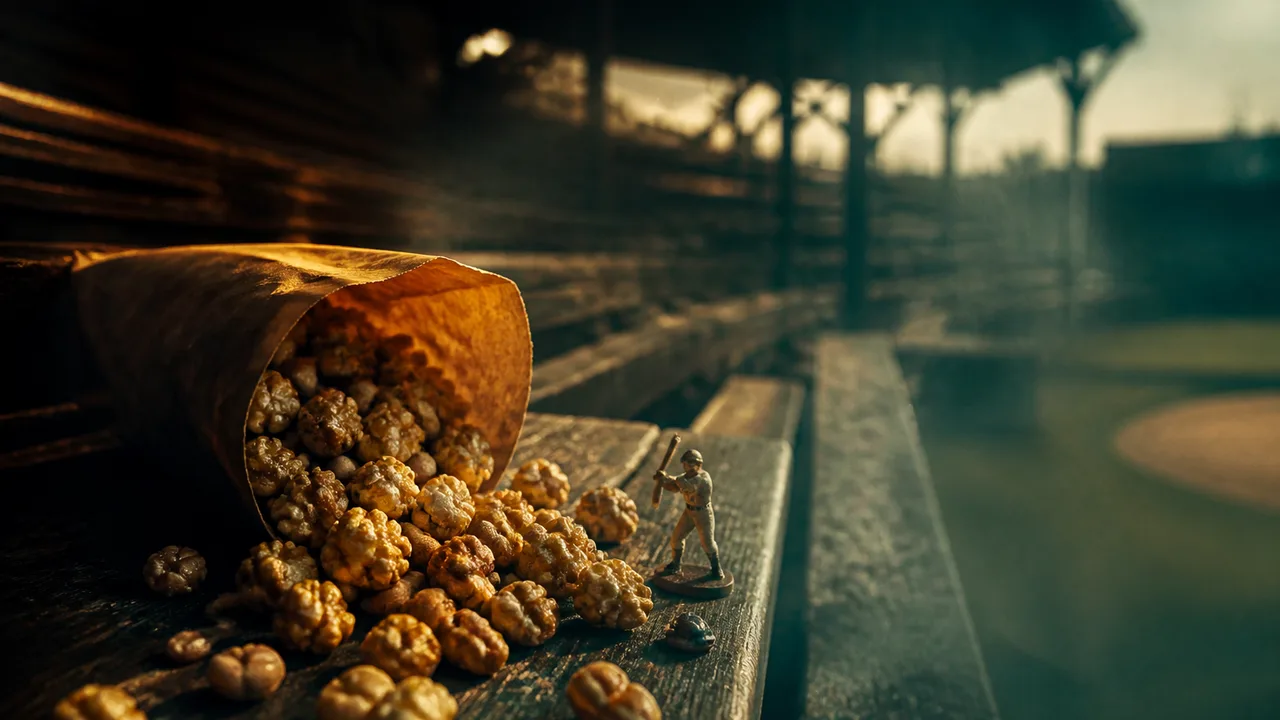
Cracker Jack put caramel-coated popcorn and peanuts in a package people could recognize, carry and buy again. That combination helped make a sweet treat part of American leisure. It also helps explain why the brand survives in conversations about food history long after the first people who bought it are gone.
The familiar description, “America’s first junk food,” promises a neat beginning. Cracker Jack offers a more useful story than that: one about a recipe, a name, a prize and the growing ability to sell the same experience to people far from where it was made. Each piece helped turn an occasional treat into a product with a place in public memory.
The Package Had a Job
Cracker Jack combines molasses-flavored, caramel-coated popcorn and peanuts. Sweet popcorn already had appeal, and peanuts needed no introduction as a snack. The brand’s contribution was to make the mixture recognizable as Cracker Jack, something a buyer could ask for by name rather than describe by its ingredients.
That shift changes what a package does. It holds food, certainly, but it also carries an identity from one sale to the next. A buyer does not have to know who prepared the batch in front of them to have an expectation about the next one. For a business trying to reach customers beyond its immediate neighborhood, repeatability becomes part of the offer.
The registered slogan, “The More You Eat, The More You Want,” spoke directly to repeat purchase. The phrase makes appetite sound self-renewing, with the product waiting to satisfy it again. It is advertising, not evidence that anyone could eat indefinitely or wanted to. Its usefulness lay in giving customers words to remember alongside the name.
Then came the prize inside the package. Its value was small; its role in the experience was larger. A customer buying Cracker Jack could anticipate the food and a moment of discovery. That gave the package something to offer after the first handful. The prize could also become a memory someone kept or recalled after the popcorn was gone. None of this tells us how any one buyer felt, but it helps explain why the wrapper and its contents became so closely linked in the brand’s identity.
A Snack that Could Go Along
Cracker Jack’s rise belongs to a turn-of-the-century change in packaged food and national distribution. A portable sweet could move beyond a local shop and meet customers as they went about other parts of their lives. Its appeal did not require a meal, a table or much time set aside to eat.
Baseball became one of its lasting associations. Cracker Jack’s popularization through ballparks joined the snack to an outing people remembered for reasons beyond what they ate. A purchase at a game could become part of a family story or a shorthand for the day itself. That connection gave the brand a place in accounts of leisure as well as accounts of food.
A ballpark also shows what portability makes possible. People arrive for a game, buy food during it and carry their attention back to the field. A snack that can accompany that activity has a different role from a sweet eaten at home. Its convenience is ordinary now, which can make the earlier change easy to miss.
The story extends beyond stadiums. As packaged foods became easier to distribute, a product could meet customers in more than one setting and remain familiar across them. Advertising helped bridge those encounters: the name seen on a package in one place could be recognized somewhere else. The recipe gave buyers a reason to try it; distribution and recognition gave them chances to return.
Who Gets to Be First?
Some historians consider Cracker Jack America’s first junk food. The strongest case for the label concerns the whole product. Sweetness, portability, branding and a promotional extra came together in a form that resembles later mass-market snacks. Used that way, “first” points toward a developing commercial model.
As a literal claim about what Americans ate earliest, it is harder to sustain. Popcorn predates Cracker Jack, and inexpensive sweets did not wait for one brand to appear. “Junk food” is also a later judgment applied to an earlier moment. It gathers questions about nutrition, processing and marketing into two words, then makes them sound like a settled category from the start.
That does not make the label useless. It gives readers a way into a history of food made for pleasure and sold for convenience. It can also obscure how many people and products took part in that history. No single treat had to invent sweetness, packaging, advertising and eating on the move for Cracker Jack to bring them together successfully.
The word “junk” carries its own tension. A prize with little monetary value could be central to what a child remembered. A sugary snack might have little place in a discussion of nourishment while holding a firm place in someone’s account of a day at the ballpark. Those observations do not settle how anyone should eat today. They do show why a nutritional label and a cultural history answer different questions.
What the Familiar Story Leaves Out
Brand histories are unusually good at preserving names, slogans and things that could be sold. They are poorer at preserving the words of people who bought the package, shared it or decided against it.
That gap invites more careful questions. Who could spare money for a treat at an outing? Who bought one package for themselves, and who split it? Which memories stayed attached to the taste, and which stayed attached to the person beside them? A successful brand can enter collective memory while leaving many individual memories unrecorded.
Cracker Jack remains a useful guide to the rise of American snacking precisely because its ingredients are only part of what endured. The package made the treat portable. The name and slogan helped people recognize it. The prize gave them something else to anticipate. Baseball gave the purchase a setting that could be remembered and retold. Modern convenience culture inherited a world in which those pieces already worked together.
Inside the package were popcorn, peanuts and a small prize. Outside it grew a larger habit: buying a familiar pleasure to take along, then remembering where you were when you opened it.
More Like This

Middle Platonism's Hidden Role in Western Esotericism
ESOTERICA's new crowdfunded seminar argues Middle Platonism built the foundations of Hermeticism, Gnosticism, and early Christian theology. Here's what that means.
How Omens Entered the Politics of the Thirty Years' War
A comet in 1618 drew competing interpretations as war spread across Europe. Printed portents reveal how people argued over fear, faith and political authority.
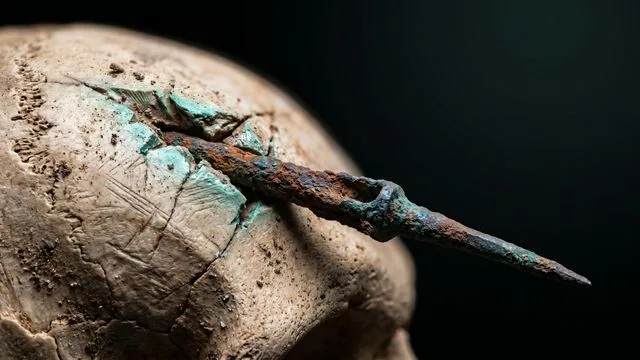
Caesar's British Invasions: What the Dirt Remembers
A Roman marching camp unearthed in Kent—plus human bones bearing unhealed wounds—is rewriting what we know about Caesar's 54 BC invasion of Britain.
Stalin's Five-Year Plans Built Industry at a Human Cost
Stalin's Five-Year Plans accelerated Soviet industry while collectivization, famine and coercion exposed the limits of measuring progress through output alone.
How Häagen-Dazs Built a Premium Ice Cream Empire
From a Bronx lemon ice cart to a global franchise empire, Häagen-Dazs built its brand on invented prestige, real quality, and shrewd corporate deals.
How Swiss Food Science Shaped American-Style Cheese
Swiss researchers developed a process for stable melted cheese in 1911. American producers adapted it, turning a preservation solution into a familiar food.
Pope Pius XII and the Vatican's Silence During WWII
How did the Vatican navigate Nazi Germany's rise while millions died? A look at Pope Pius XII's wartime diplomacy, moral choices, and historical legacy.
Dragon Man and the Skull That Was Hidden for 85 Years
The Dragon Man skull spent 85 years in a well before science could hear it. What its rediscovery means for human evolution and who we were.