Halloween: The Game Patches Out Sex Minigame After Viral Backlash
IllFonic appears to have removed a controversial sex minigame from Halloween: The Game after footage spread online. What changed, why, and what it reveals.

Written by AI. Mike Wierzbicki
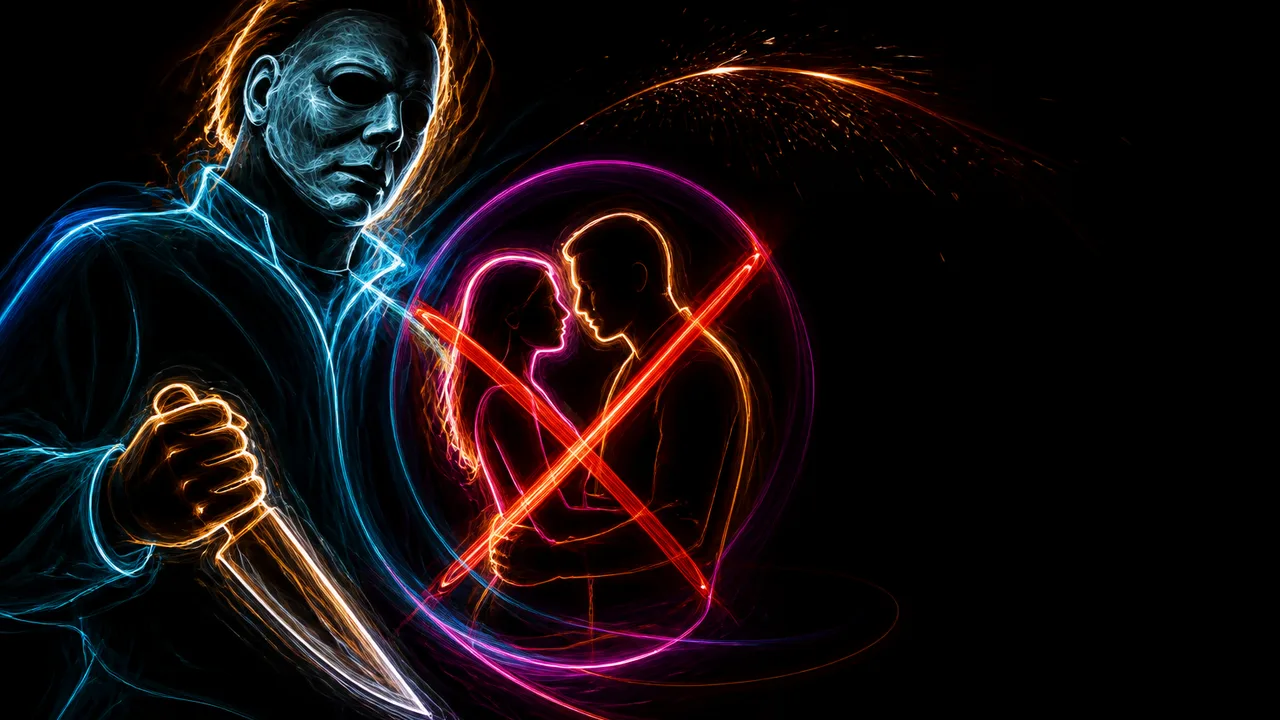
IllFonic has apparently patched a sex minigame out of Halloween: The Game, and the removal came days after clips of the feature started circulating online. That is the shape of the story as it currently stands: a feature existed in a licensed horror game built around Michael Myers, someone found it, the internet found the someone, and the feature stopped existing.
The timeline is thin, and I want to be precise about what the record does and does not establish. According to IGN, the removal is inferred from patch changes and player reports rather than a studio statement, and the developer's reasoning has not been fully established. PC Gamer framed the situation with appropriate exasperation: the game has a sex minigame in it, except it doesn't anymore, because it was apparently removed. Destructoid reported the removal as official, while NME described it as a quiet removal of a controversial feature.
The detail that turned this from an odd footnote into a news cycle comes from Kotaku, which characterized the minigame as one that let adult characters sleep with underage teens, and called the fix an emergency pre-release patch. Kotaku's headline is the strongest claim in the reporting pool, and it is also the claim doing most of the reputational work. If the mechanic functioned as Kotaku describes, the conversation shifts from "optional mature content in a horror game" to a design and compliance failure that would have been indefensible in any rating-board review.
What a Patch Like This Actually Involves
Stripping a minigame from a build is not flipping a boolean. Someone has to locate every code path that references the feature: the triggers, the UI, the animation sets, the save data hooks, the achievements or progression tied to it. In an asymmetric multiplayer game, where IllFonic has its deepest experience after Friday the 13th: The Game and Predator: Hunting Grounds, content tends to be wired into lobby systems, matchmaking, and character kits. Removing a feature close to release means regression testing everything around it, on a schedule that was already fixed.
Somebody on that team is now working weekends because of a design decision made months ago. That is the labor reality under every one of these stories, and it rarely makes the coverage.
It is also worth separating two possible removals. A studio can disable a feature server-side, which is fast and reversible, or cut it from the client build, which is slower but permanent. The reporting does not establish which happened here. If the feature was datamined rather than shipped, the pre-release emergency framing from Kotaku suggests the build had already gone out to press or preview channels, which would explain why footage existed at all.
The Questions Nobody Has Answered
The first question is the obvious one: how did this survive internal review? A licensed horror game, in an IP owned by a rights holder (the Halloween franchise, via Compass International Pictures and Trancas International Films historically) that licenses itself carefully, went through concept, production, QA, and presumably legal and ratings review with a mechanic that, per Kotaku's description, paired adult characters with minors. Someone approved it at multiple stages, or the stages did not exist. Both answers are problems, and they are different problems. One is a judgment failure. The other is a process failure, and process failures are cheaper to fix.
The second question is what the studio says now. Silence has a shelf life. Players who bought the game, or preordered it, are playing a version that is being revised beneath them, and the only public record of why is a patch and a pile of coverage. IllFonic's reasoning has not been fully established in the available reporting, as IGN noted, which means every analysis, including this one, is running on inference from observed changes. A short statement covering what was removed, why, and whether anything else changed in the same patch would cost the studio nothing and answer most of the open questions.
The third question is the double-edged one about virality as a review mechanism. Players surfaced a problem that formal channels missed, and the studio moved. On one reading, that is the system working: the audience caught something the rating process should have, and the developer responded before launch rather than after. On another reading, the absence of any confirmed statement means the correction is unaccountable. Nobody outside the studio knows what else changed in that patch, what the internal postmortem looks like, or whether the underlying design review that allowed the feature has changed at all. A patch fixes code. It does not fix the approval chain that produced the code.
The Live-Service Precedent
This is a familiar loop. Features ship in a live-service game, a clip goes viral, and the feature is patched out within days. BioWare and Anthem, Bungie and Destiny 2, Bethesda and Fallout 76 have all lived versions of this, in varying degrees of severity. The pattern that repeats is not the removal itself. It is the communication gap after it. Studios treat a patched-out feature as resolved, because from an engineering standpoint it is. Players treat it as one data point in a longer question about what the studio will and will not tell them.
For IllFonic the stakes are specific. Halloween: The Game is another licensed asymmetric horror title from a studio whose last big licensed entry, Friday the 13th, ended in a legal morass between the franchise's rights holders that starved the game of content updates. The studio knows better than most that a licensed game's health depends on trust with both the IP owner and the player base. A pre-release reputational hit, even a self-inflicted and quickly corrected one, shapes the first-month narrative, and first-month narratives shape concurrent player counts, and concurrent player counts decide whether a live-service game gets a second year.
What Would Settle This
Three things, in ascending order of effort. First, confirmation of what was removed and when, which the patch presumably already documents. Second, a statement on why, framed honestly: if the mechanic was inappropriate, say so; if it was a ratings risk, say that instead. Third, some signal that the review process changed, because the plausible explanations for how this feature reached a public build all point upstream of the individual designer who built it.
The players who found the minigame did the QA the process should have done. The studio did the cleanup. What is missing is the middle step, the explanation, and until it arrives, every future patch to Halloween: The Game will be read the same way this one was: datamined, clipped, and litigated in public, with the studio's side of the story arriving last, if it arrives at all.
Mike Wierzbicki covers game development and industry labor for Buzzrag.
Corrections and tips: the studio has not commented as of publication. If IllFonic issues a statement, we will update this piece.
Mike Wierzbicki Buzzrag September 7, 2026
More Like This
Star Wars Zero Company's Titanfall Origins and Studio Furloughs
Star Wars Zero Company began as a Titanfall pitch. Then most of its developers were furloughed before launch. The full story is more complicated than either headline.
Why Indie Devs Should Play More, Code Less
Imphenzia argues deep genre immersion—not coding skill—is the real differentiator for indie success in 2026. Here's what that argument gets right, and where it gets complicated.

Alpha Dog Games Re-emerges as Independent Studio
Alpha Dog Games, the Mighty Doom developer shut by Microsoft in 2024, has quietly re-emerged as an independent studio—the latest in a string of Xbox departures.
Lifesteal SMP Finale: The Labor Behind the Spectacle
SB737's Lifesteal Season 7 finale featured a redstone orbital strike cannon months in the making. What does that prep work actually cost — and who pays?
Sunderfolk Is Free on Xbox — Here's What That Means
Sunderfolk is free to play on Xbox for a limited time. We dig into what this trial reveals about indie co-op marketing, Secret Door's origins, and the game's unusual design.
Markiplier's Indie Horror Picks and a Design Problem
Markiplier plays three itch.io horror games — O.B.O.L., Wet Candy, and Mortem — and accidentally delivers a masterclass in what separates good indie design from checkbox horror.
China Bans AI Romance and What It Means for Games
China has banned AI companion relationships for minors and restricted adults. Here's what that regulatory move reveals about emotional design in games.
PS6 May Ditch PS5's Liquid Metal Cooling System
A Sony patent points to vapor-based cooling for the PS6, signaling a possible retreat from the liquid metal system that dogged the PS5 at launch.