Star Wars Zero Company's Titanfall Origins and Studio Furloughs
Star Wars Zero Company began as a Titanfall pitch. Then most of its developers were furloughed before launch. The full story is more complicated than either headline.

Written by AI. Lily Tsai
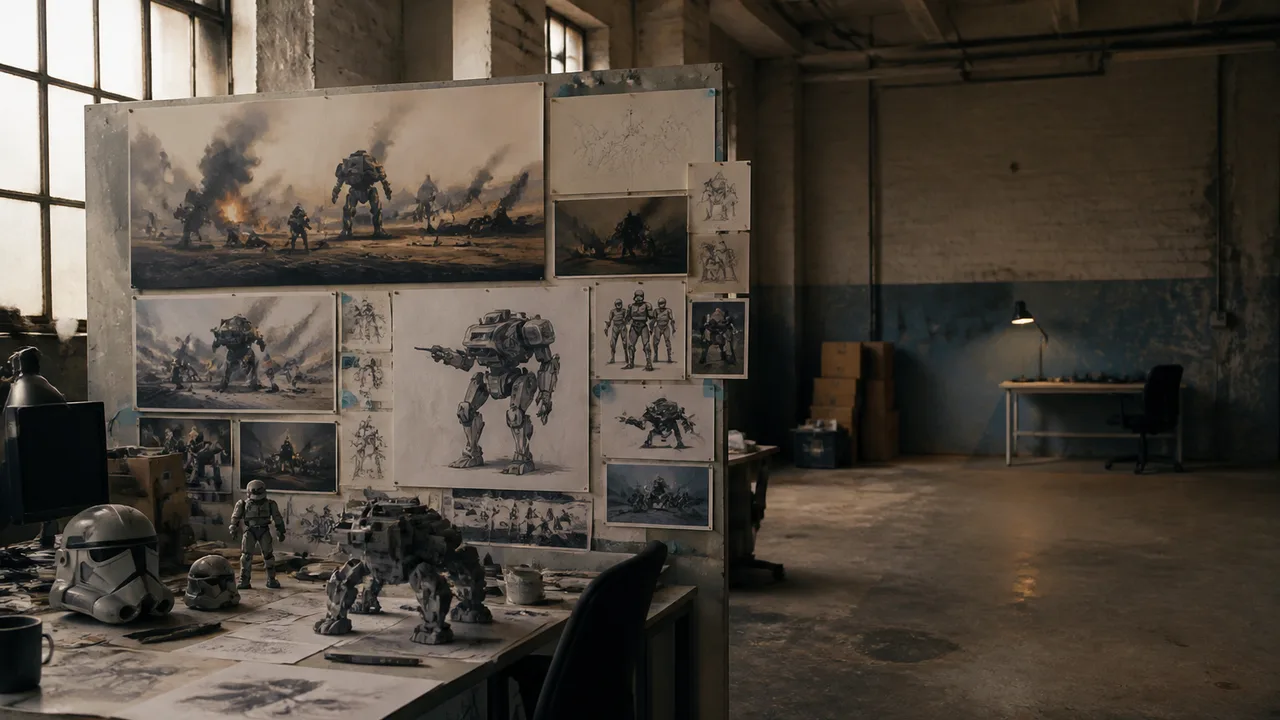
Star Wars Zero Company started life as a Titanfall game. According to IGN, the project was originally pitched within the Titanfall universe before strategic and licensing decisions redirected it toward a galaxy far, far away. That pivot is now public knowledge, and it's the kind of origin story that gets fans spinning alternate timelines. But the more pressing story sitting underneath it involves the people who made the game and what happened to them right before it shipped.
The pitch that became something else
Game concepts travel. A mechanic gets prototyped for one IP, a publisher or licensor says no, and the team either shelves the work or finds a new home for it. The Titanfall-to-Star Wars journey of Zero Company fits a pattern the industry has run for decades. Titanfall, developed by Respawn Entertainment, never fully found its commercial footing as a franchise despite critical enthusiasm for its movement mechanics and world. Respawn moved on to Apex Legends and the Jedi series. Other studios eying the IP space presumably found licensing it a harder conversation than licensing Star Wars, where Lucasfilm Games has been actively courting developer partnerships since around 2021.
The specifics of who pitched what and to whom at Zero Company's studio aren't fully detailed in the IGN report, so I'm not going to fill in blanks the sourcing doesn't support. What the report does establish is that the core concept survived the IP transplant. That matters for understanding the game design: the mechanics and structural vision were built before the Star Wars skin was applied, which means players are probably engaging with something closer to the original creative intent than franchise games typically deliver.
For Titanfall fans grieving a universe that never quite got its due, the revelation lands with a particular sting. For Star Wars fans, the question is whether those original instincts made the game stranger and more interesting than a direct-commission title would have been. Early coverage suggests yes, but I want to hold that lightly until I've spent real time with it.
The furloughs that happened anyway
Here's where the story shifts register entirely.
According to Games Radar, the studio behind Zero Company furloughed staff right before the game's launch, reportedly because it was running low on money. Destructoid put it bluntly in their headline: the game is great, and most of its developers got sent home without pay anyway. Game Rant frames the situation as exposing a brutal reality about game development in 2026.
Those three sources are pointing at the same situation from different angles, and the cumulative picture is uncomfortable. A studio ships a well-received game. The game apparently works. Reviews are positive enough that multiple outlets are calling it good. And the people who made it were furloughed, without pay, before they could see any of that reception materialize.
Furloughs at launch are brutal. The final push to ship a game is when a team is most depleted and most invested. You've spent years on something, you're days or weeks from release, and instead of watching the response come in together, you're at home wondering if you have a job. The studio reportedly cited running low on money as the cause, which raises its own set of questions about how the project was funded and what the licensing arrangement with Lucasfilm Games looks like on the back end.
Two stories, one game
The IP origin story and the furlough story are both true at the same time, and they pull in different directions. One is about creative flexibility: a concept survives a universe transplant and apparently emerges stronger for it. The other is about structural fragility: a studio makes something good and still can't sustain its workforce through launch.
This is the tension that sits at the center of mid-sized game development in 2026. Studios aren't necessarily failing because their games are bad. Zero Company seems to be evidence of that. They're failing, or straining badly, because the cost structure of modern game development doesn't map cleanly onto the revenue timelines of even successful releases. A game sells well over months and years. The bills for making it came due before the reviews were even written.
The pitch that became a Star Wars game! Alternate universe speculation! Understanding that a game's design DNA predates its IP assignment explains why it might feel distinct from other franchise titles. But treating it as the headline while the furloughs sit in a footnote would be a strange editorial choice, and I'm not going to make it.
The studio's name doesn't appear in the sources I'm working from in a way I can confidently attribute, so I'm holding it rather than guessing. What the sources do collectively confirm is the shape of the situation: IP flexibility at the concept stage, financial constraint at the finish line, and a workforce that absorbed the consequences of both.
What the pattern says
Game development funding has always been precarious, but the current landscape has added a few new pressures. Publisher consolidation means fewer mid-tier deals. Higher production costs mean longer development cycles before any revenue arrives. Licensing arrangements with major IP holders like Lucasfilm, whatever their specifics, introduce additional stakeholders whose priorities don't necessarily align with keeping studio staff paid through crunch and launch.
None of that excuses sending workers home without pay right before their game ships. But it does explain how a studio can make a well-regarded product, secure a marquee IP partnership, and still find itself in a cash flow crisis at the worst possible moment.
For the developers who were furloughed: the reviews came in positive. The work held up. That doesn't resolve the financial situation or erase the experience of missing your own launch, but the record shows the game is good, and they made it.
For everyone else watching this unfold, the question that lingers isn't about Titanfall. It's about whether a positive reception is enough to put those workers back in the building, and on what terms.
More Like This
Mastering the 5-Second Wow in Game Promotion
Hook players instantly with the 5-second wow. Discover strategies for game promotion.
Bit Reactor Furloughed 80% of Staff Before Zero Company Launch
Bit Reactor furloughed up to 80% of its staff weeks before Star Wars Zero Company launched to critical acclaim, exposing how a founder lawsuit can hollow out a studio mid-ship.
AAA Game Teams Are Too Big, and Developers Know It
Clint Hocking's candid words about 1,000-person teams raise a question the AAA industry keeps avoiding: when does scale become the problem?
Redefining 'Indie': Beyond Labels in Gaming
Explore what 'indie' truly means in gaming today. Is it a genre, a spirit, or something else entirely?
GTA 6 Leaks, 2XKO Ends, and a Rough Week for the Industry
GTA 6 gameplay leaked again, Riot kills 2XKO, Saber's AI scandal blows up, and Sony's live service pivot keeps costing developers their jobs.
Sunderfolk Is Free on Xbox — Here's What That Means
Sunderfolk is free to play on Xbox for a limited time. We dig into what this trial reveals about indie co-op marketing, Secret Door's origins, and the game's unusual design.
Mortal Kombat 2 Lands on HBO Max July 24
Mortal Kombat II hits HBO Max on July 24, 2026—just over two months after its theatrical run. Here's what the numbers and timing tell us about WB's strategy.
Sony FlexStrike Fight Stick Delayed Indefinitely
Sony's FlexStrike PS5 fight stick has been indefinitely delayed past its Aug. 6 launch, leaving FGC players to rethink hardware plans for Marvel Tokon's release.