Finland's Lake Saimaa: What an Unhurried Autumn Road Trip Offers
An early-autumn drive through Finland's Lake Saimaa region: green trees, empty roads, saunas, and the endangered ringed seal. Why timing matters less than rhythm.

Written by AI. Priya Chandrasekaran
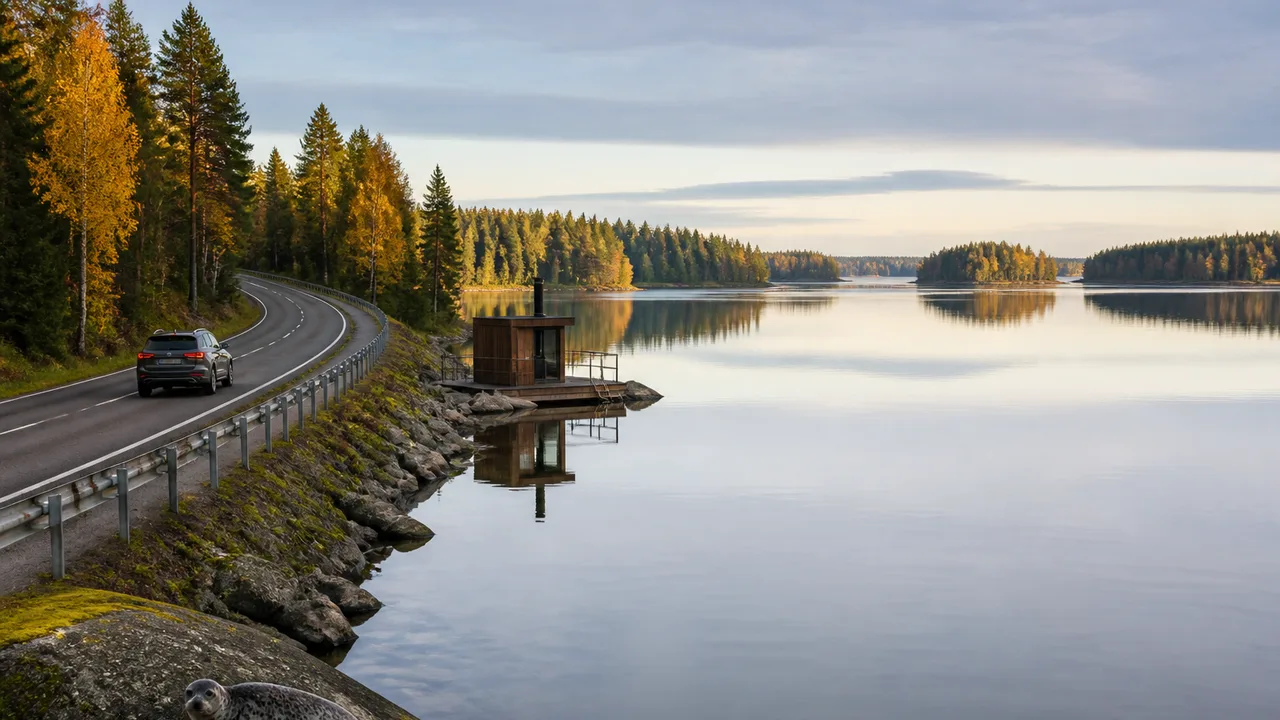
On 7 September 2026, the Guardian published a road-trip account from Finland's Lake Saimaa region that opens with an admission most travel writing skips: the autumn colours had not arrived. The trees were stubbornly green, weeks behind the itinerary that promised gold. According to theguardian.com, the trip still delivered blue skies, lakeside cabins, saunas and local food, even as the foliage refused to cooperate.
That admission is the story. Everything else about the region (the lakes, the light, the quiet roads) gets photographed and published every year. The gap between the promised colour and the actual colour is where the useful reporting lives.
The Colour Schedule is a Moving Target
The timing problem has a name. Ruska is the Finnish word for the autumn foliage display, and according to occasionaldigest.com, it begins in the north of the country in early to mid-September, reaching the Lake Saimaa region in the south by early October. A traveller arriving in Saimaa in early September is, by that schedule, roughly a month early.
The same account called the trip "more beautiful, more peaceful" than expected, which raises a question about what the timing anxiety is for. If the highlights of an early-September drive were peace, space and water rather than colour, then the ruska calendar functions mostly as marketing. Finland's tourism imagery runs heavily on autumn gold and winter blue, and the shoulder season in between gets described as a fallback. The Guardian's account suggests the opposite: the in-between weeks deliver quiet roads and shifting weather that the peak season cannot.
Writers who plan around a colour peak are also planning around something increasingly hard to schedule. Foliage timing depends on temperature, daylight and rainfall in any given year, and the drift in seasonal timing across Europe is well documented in phenology research. No source in this story quantifies the shift for Finland specifically, and I will not invent a number. What the sources do establish is simpler: an itinerary built on the assumption of a precise colour date failed, and the trip worked anyway.
Driving a Landscape Built on Water
Lake Saimaa is one of Europe's major inland lake landscapes, a labyrinth of water, islands and connecting channels rather than a single lake with a shoreline road. That geography shapes what a road trip here can be. Self-driving makes it possible to link small towns, waterside accommodation and outdoor stops at your own pace, but the brief is clear-eyed about the trade-offs: distances are long, weather changes, and services in rural areas thin out fast. Fuel, food and ferry timetables require checking ahead in a way they do not in, say, the Rhine valley.
For a food traveller, this geography is the draw. The lakeland kitchen runs on what the water and forest supply: vendace and other lake fish, wild berries and mushrooms (with generous everyman's rights to forage), rye bread, and the sauna-and-swim rhythm that structures the day at any lakeside cabin. This is a cuisine of preservation and smoke as much as freshness, shaped by a short growing season and long winters. Small-town lunches and farm shop stops along the lake roads will tell you more about the region than any scenic pull-off.
The Seal that Sets the Rules
Any trip here now has a resident stakeholder with more claim to the water than the tourists. The Saimaa ringed seal, a landlocked relict of the ice age found nowhere else, is endangered and lives only in this lake system. The Guardian's reporting folds this into the practical guidance: responsible travel means following local advice around waterways, keeping distance from seals (particularly in spring, when pups rest on rocks) and avoiding added pressure on sensitive shorelines.
This matters for how you move. Slow boating, quiet paddling and shoreline walking all carry different obligations, and local signage and guidance change with the season. A road-trip itinerary that treats the lake as scenery misses the point that it is habitat first. The seal population has recovered from a few hundred animals in the twentieth century thanks to fishing restrictions and conservation work, but it remains fragile, and the rules protecting it are not decorative.
What the Unhurried Version Actually Looks Like
Strip out the colour-chasing and the Saimaa road trip becomes a different object. The days are structured around distance you can cover without rushing, a cabin booked on the water, a sauna each evening, and stops in towns whose restaurants and markets operate on local demand rather than tourist volume. The Guardian's account of stubbornly green trees paired with blue skies and good food describes a trip that succeeded on its own terms rather than a photographed one.
The honest tension is that slow travel writing sells slowness with the same aspirational machinery that sells speed. A quieter version of the road trip can still become a checklist: which sauna, which lake view, which bakery. The difference the sources point toward is one of expectations. Occasional Digest's trip was rated more beautiful and more peaceful precisely when its stated goal (gold foliage) had not materialised, which suggests the goal was never the load-bearing part.
Plan for the roads, book the waterside rooms early because rural lakeside accommodation is finite, check opening hours outside the summer season, and read the seal guidance before you launch anything onto the water. Then let the trees decide their own schedule. They were going to anyway.
More Like This
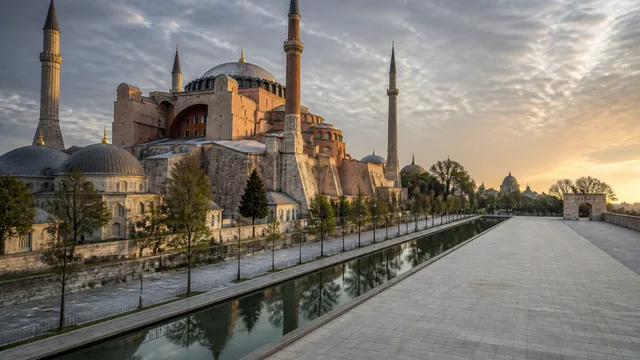
Istanbul's Layers: History, Faith, and Food
Rick Steves guides viewers through Istanbul's Byzantine ruins, Ottoman mosques, hammams, and tables. A food writer looks closer at what the camera catches and what it misses.
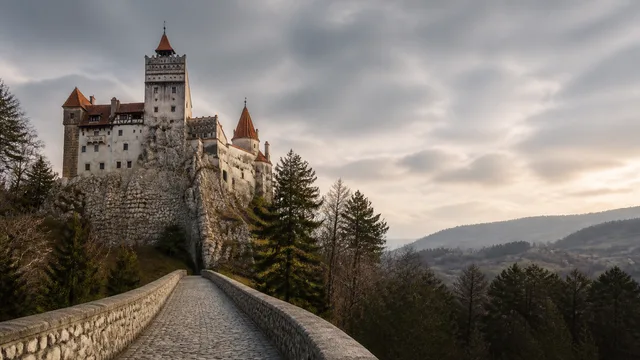
Romania Travel: What Visitors Love and Struggle With
From Carpathian forests to chaotic mountain roads, Romania rewards patient travelers. Here's an honest look at what works and what doesn't.
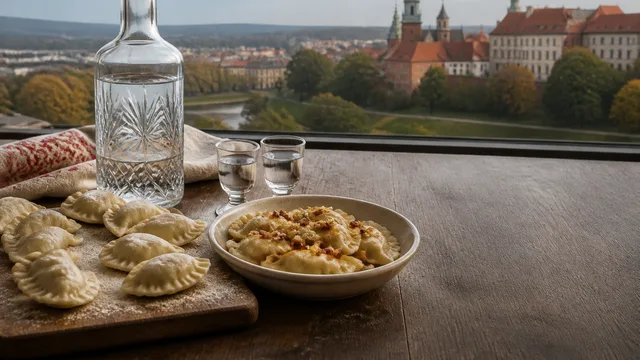
Vodka and Pierogi: Poland's Food Identity Explained
Rick Steves and guide Tomasz Klepacki explore what Polish vodka and pierogi reveal about Polish identity, tradition, and the meaning of home-cooked food.
Grocery Tourism Is One of Travel's Fastest-Growing Trends
Travelers are flocking to foreign supermarkets as a cultural experience. Here's what the grocery tourism trend reveals about how we understand place and food.
Cycling 35,000 km: Lessons from the Road
Explore Moniek Dekkers' journey cycling from the Netherlands to Sydney, embracing resilience, cultural connections, and minimalism.
Airport Theft at MIA Exposes Deep Trust Failures
A passenger's stolen Cartier watch, sold online, reveals the layered accountability failures behind airport baggage theft at Miami International Airport.
Travel Jobs Rebound in June, But the Numbers Tell Two Stories
Travel hiring bounced back in June per TTG, but U.S. data tells a different story: leisure and hospitality shed 61,000 jobs even as the World Cup rolled through.
Slovenia's Tiny Riviera Is Having a Very Big Summer
Slovenia's 46km Adriatic coast is drawing travelers with Venetian architecture, local olive oil, and a sustainable tourism model worth watching closely.