Ernie Johnson's Exit Tests ESPN's Inside the NBA Deal
Ernie Johnson will leave Inside the NBA after this season. ESPN can keep airing the TNT-produced show, but who hosts it next is an open question for viewers.

Written by AI. Jai Trivedi
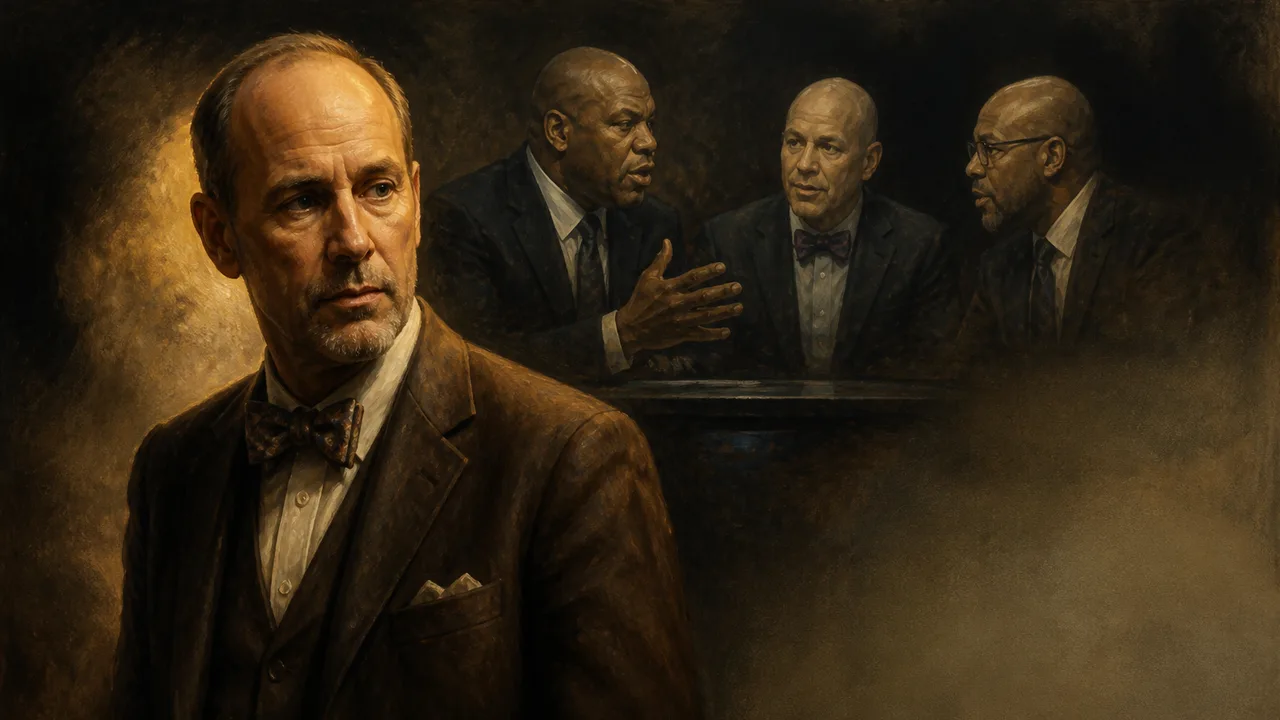
Ernie Johnson will leave Inside the NBA after this season, ending 37 seasons as the show's host. ESPN still has an arrangement to air the TNT Sports-produced program. Now comes a harder question for the two companies: what does that arrangement deliver when the person who has hosted the show since 1990 leaves the desk?
Johnson announced his decision Wednesday, saying the work of preparing for each show had become more challenging. He also described heart issues and bypass surgery, while saying no doctor had told him to stop working. He wants more time with his wife and grandchildren. “I'm not retiring; just cutting back,” he said, with plans to continue March Madness and other projects for TNT and CBS.
That is a personal decision with a business consequence. Last season, Inside survived the loss of its longtime NBA home on TNT. Its next transition concerns the host who stayed with it through that move. The first change showed that the program could cross networks with its producer and cast intact. The second has yet to happen.
The Show Moved. the Desk Stayed.
Johnson became Inside the NBA's host in its second season, in 1990. Kenny Smith joined in 1998, Charles Barkley in 2000 and Shaquille O'Neal in 2011. That timeline helps explain why treating the show as a transferable title only gets you so far. The familiar lineup was assembled over decades, with Johnson present before any of the three analysts arrived.
For years, TNT carried the program alongside its NBA games. After TNT lost its NBA rights following the 2024-25 season, ESPN began licensing Inside from TNT Sports for select ESPN and ABC NBA coverage. The NBA's new rights arrangements included Amazon and NBC. TNT Sports kept producing the studio show, even though ESPN and ABC became its television outlets.
Think of the arrangement as two jobs: TNT Sports makes the show; ESPN supplies nights on which its audience sees it. That division let Inside continue under its established name and production operation after TNT stopped carrying NBA games. It also let ESPN put a familiar program around its own coverage rather than build that familiarity from scratch. The move preserved the on-air group, so it could demonstrate that the show traveled across networks. It could not answer whether the show would feel the same with a new host.
The schedule changed as well. After the move, the TNT-produced studio shows Inside the NBA and NBA Tip-Off appeared on 20 regular-season dates last season, plus ESPN and ABC's NBA playoff coverage, including the Finals. They are scheduled for 25 regular-season dates this season. That is a smaller regular-season presence than airing every week, paired with a place in ESPN and ABC's postseason coverage.
For viewers, the practical result is a show they can still find around major NBA nights, though on a different outlet and schedule. For the businesses involved, the limited slate also defines the immediate succession problem. A new host would have selected regular-season appearances and playoff coverage in which to establish a rhythm with the analysts, rather than the weekly routine the TNT version once had. That is an implication of the schedule, not a forecast of how an audience would respond.
A License Can Carry a Show. Can It Carry the Chemistry?
The network move and Johnson's exit offer a useful comparison because each changes one part of the same program. In the move to ESPN and ABC, the outlet changed while TNT Sports continued production and Johnson stayed at the desk. After this season, the known change is Johnson's departure. A producer, a title and a distribution deal can remain in place while the on-air relationships change.
The comparison has a limit. The first transition has already happened; the next host and the next version of the show have not been announced. Nobody can use the network move as a test result for a cast change. Its narrower lesson is that preserving a brand and production team can keep a program on air, while preserving its familiar conversation depends on people choosing to take part.
Johnson's role is unusually intertwined with that history. He has hosted through every addition to the current analyst lineup. His departure would therefore change the longest-running relationship at the desk, even if Smith, Barkley and O'Neal stayed. A successor would inherit an established format and colleagues with years together, an opportunity as well as a demanding introduction. The show's survival on ESPN gives those colleagues a platform; it does not make their next on-air dynamic automatic.
Barkley adds another unresolved variable. In September, he said he planned to leave Inside alongside Johnson after the 2026-27 season, as recounted by The Hollywood Reporter. His stated plan makes succession potentially bigger than a single chair. It remains a plan, however, rather than confirmation of what the cast or the program will look like afterward.
What Each Side is Trying to Keep
ESPN has an NBA studio show it can place alongside its games without taking over production from TNT Sports. TNT Sports has kept making a program associated with its decades covering the league. Those are concrete advantages of the licensing arrangement. Whether a changed cast would deliver the same audience response or commercial value is an open question; the deal's financial terms and any cast-specific value have not been disclosed.
The tempting prediction is that Johnson's exit ends Inside. Another is that a proven name and three analysts are enough to carry on. Either skips the decision in front of the people making the show. ESPN and TNT Sports have not named a successor, and Barkley's plans leave another seat uncertain. They could pursue continuity, change the format or make some other choice. Viewers will learn more from those decisions than from treating the current lineup as either irreplaceable or interchangeable.
Johnson, meanwhile, is stepping back from one job rather than leaving broadcasting altogether. That makes the contrast sharper: TNT Sports expects to keep working with him, but Inside will need to work without him. The deal got the show from TNT to ESPN. The people at the desk will determine what viewers recognize when the next season begins.
More Like This

ESPN Puts NFL Network to Work for Its First Super Bowl
NFL Network will carry a Super Bowl altcast and a record live-game slate under ESPN. The schedule shows a bigger role for the channel, but its payoff remains untested.
Skydance Weighs TNT Sports Rights After the NBA Exit
Skydance's CBS-TNT sports merger puts TNT's post-NBA deals under review. Big 12 and NHL audiences show why ratings alone cannot decide which rights stay.

Berson Takes Over CBS and TNT Sports With Rights in Play
David Berson will lead CBS and TNT Sports under one owner. Their March Madness partnership and WBD's NBA settlement show what may change for viewers and leagues.
Ryan Clark’s Pivot Shows the Power of Owning the Show
Ryan Clark kept The Pivot through his ESPN exit. Its Netflix, NFL Films and Howard Schultz deals show how creator ownership changes media leverage.

Troy Aikman's ESPN Talks Test an NFL Repair Premium
Troy Aikman's unresolved ESPN deal shows how NFL rights, a 10% league stake and Monday Night Football talent shape the price of stability for viewers and ESPN.
Stephen A. Smith Tests Sports Media's Political Reach
Stephen A. Smith's 2028 speculation shows how sports media can convert recurring attention into political capital, while creating new risks for ESPN and its audience.

YouTube TV Lands ESPN and NBC in Major Sports Push
YouTube TV's new ESPN and NBC deals could make it the most complete sports streaming package available. Here's what the deals actually mean for the industry.
Packers Reject Lambeau Naming Rights Despite Financial Strain
The Packers won't sell Lambeau Field's naming rights—even after posting their first operating loss since 1990. Here's what that choice actually costs them.