Dragon Ball Xenoverse 2 Gets a 10th-Anniversary Update
Dragon Ball Xenoverse 2 gets an October 27 anniversary update, a Final Festival and Xenoverse 3 rewards. What can a decade-old game still offer its players?

Written by AI. Sarah O'Brien
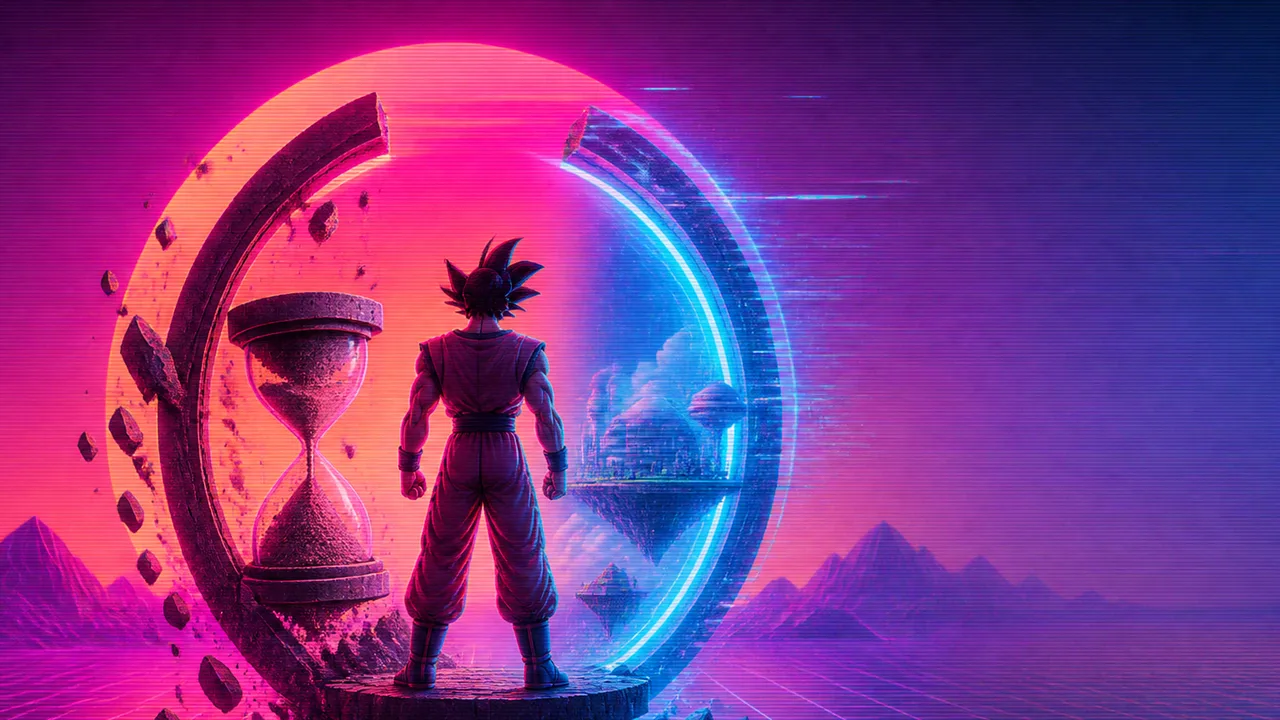
Bandai Namco will release a 10th-anniversary update for Dragon Ball Xenoverse 2 on October 27. For a game that has occupied the same numbered slot since 2016, the date is striking. A tenth birthday can be a marketing occasion; an update gives players something to install.
The anniversary plans include a Final Festival and rewards connected to Xenoverse 3. Those names raise two separate questions. What will current players get to do in Xenoverse 2? And what, if anything, do the rewards tell them about a successor? The announced names alone do not settle the scope of the update, the rules for obtaining the rewards, or any timetable for Xenoverse 3.
That leaves a useful way to approach October 27: judge the update as an addition to the game people can play now. A decade-long run deserves attention without requiring every anniversary event to carry the weight of a sequel announcement.
What an Anniversary Update Has to Deliver
Xenoverse 2 has survived long enough for its players to have different reasons to return. Some may want a new activity. Others may come back to see how the anniversary marks the years they spent with the game. A newcomer, meanwhile, needs an intelligible place to start. Those audiences can all enjoy a festival, but they will judge its value by different measures.
The anniversary Final Festival is scheduled to begin in October. Publishers can finish one event series while continuing to maintain a game, and players should not have to infer a service schedule from a capitalized adjective.
Events and updates also do different jobs. An event can bring a community back at the same time, giving returning players a shared reason to log in. A lasting update might leave them with options to use after the celebration ends. Fixes to recurring friction could have a similarly durable effect, even if they make for a less dramatic anniversary headline. Once the update arrives, players can ask a concrete question: what remains useful when the Final Festival is over?
An anniversary can succeed on a smaller scale, too. A well-run occasion for existing players has value without transforming a ten-year-old game. That is the strongest case for this release as a celebration: it recognizes a community that is still there. The test is whether its activities respect the time those players put in, especially if rewards require participation during a limited window.
The Sequel is in the Rewards, Not on the Calendar
The anniversary connects the current game to its successor through rewards. A guide to unlocking Xenoverse 3 items in the Xenoverse 2 event puts the practical player question plainly: how do you obtain them? Association with Xenoverse 3 may give the items an extra pull for fans following the series, but it should not turn every anniversary detail into a forecast about the next game.
For Xenoverse 2, that connection is also an invitation to look backward before moving forward. A sequel rewards campaign asks players to spend time in the older game at the point when their attention might otherwise shift away. Bandai Namco can celebrate the present community and introduce the name of the next installment in the same event. Players can enjoy the first purpose while remaining cautious about conclusions drawn from the second.
The distinction is especially useful for anyone returning solely for rewards. An item obtained through an anniversary event has immediate value if the player wants it in Xenoverse 2. Claims about what it might confer elsewhere require clear rules. Readers weighing whether to reinstall should check the reward conditions when the update goes live rather than treating a sequel label as a promise of transfer or early access.
This is a familiar pressure point for long-running games. The promise of what comes next can make the existing game feel like a waiting room. Yet Xenoverse 2 has its own players, habits and accumulated history. An anniversary update has to work for someone whose main interest is still Xenoverse 2, even if another player sees the event primarily as a step toward Xenoverse 3.
What Ten Years Preserve, and What They Cannot
A licensed game remaining active for ten years is an unusual opportunity to observe it as a living work. Players who arrive in 2026 encounter a game with a decade of accumulated decisions behind it. Those decisions include what its publisher chooses to revisit for an anniversary and what it leaves in place. The update adds one more dated layer to that history.
It also complicates a tempting preservation shorthand. Continued support keeps a game in circulation; it does not guarantee that every version of its history remains accessible. An event can be vivid for the people who attend and difficult for later players to experience. A new update can improve today's game while changing the version someone remembers playing. Neither outcome makes the update suspect. Both make the release date and the event's terms part of the record.
For a festival, the details worth retaining are practical: when it runs, what players can earn, and what happens to those activities and rewards afterward. For the update, the question is whether its changes remain available outside the anniversary period. These are questions a player might ask before investing an evening; they are also the questions someone trying to understand Xenoverse 2 in another ten years would need answered.
The preservation concern should not become a demand that a birthday patch solve every problem of access to older games. Bandai Namco has announced an update and an event, and players will reasonably assess them on their own terms. Still, a tenth anniversary gives the company a rare chance to make those terms clear. A festival calendar, reward rules and a description of lasting changes would help current players decide whether to return and future players understand what this moment actually added.
On October 27, Xenoverse 2 gets to mark ten years in public. The most revealing part of the celebration will be what players can still do after the anniversary banners come down.
More Like This

Fallout Season 3 Is Filming, and the Franchise Has Come Far
Walton Goggins confirms Fallout Season 3 is filming. What does a franchise this far from its 1997 origins mean for gaming history and preservation?
Ace Combat 8 Reviews Cannot Yet Judge Its Online Future
Ace Combat 8 earns glowing campaign reviews, but brief multiplayer tests leave its progression, premium pass and long-term online future unresolved at launch.
Lollipop Chainsaw's Movie Tests a Franchise Revival
The Lollipop Chainsaw film joins a sequel and anime, showing how a delisted cult game became a cross-media franchise without its original leads attached.
Mario Kart Tour's Shutdown Leaves Its History Out of Reach
Mario Kart Tour is no longer playable. Its tour list, collection totals and possible player statistics preserve fragments of a mobile game that changed over seven years.
NBA 2K25's Shutdown Will Take MyCAREER Offline in 2027
NBA 2K25 leaves digital stores in October, then loses MyCAREER and MyTEAM in January. Here is what owners keep, and what another game's sunset suggests.
The Witcher 3 Remastered Changes More Than Its Graphics
The Witcher 3 Remastered brightens White Orchard and revises combat. Its visual history and reported Steam Deck frame rates give returning players more to weigh.
WoW GM Cheating Scandal Puts Blizzard Under Scrutiny
A Blizzard game master allegedly death-touched bosses for friends, tainting WoW's competitive record. What this scandal reveals about a 20-year compact between devs and players.
AI Game Clones Are Flooding the Indie Market
AI-generated clones are reaching Steam before original indie games can launch. Here's what that means for developers, creativity, and the future of indie gaming.