Best Buy Brings Back Blu-ray as Discs Find Their Niche
Best Buy is selling Blu-rays again online and in stores. Its small selection puts a fresh spotlight on disc ownership, streaming access and what shoppers can find.

Written by AI. Zara Chen
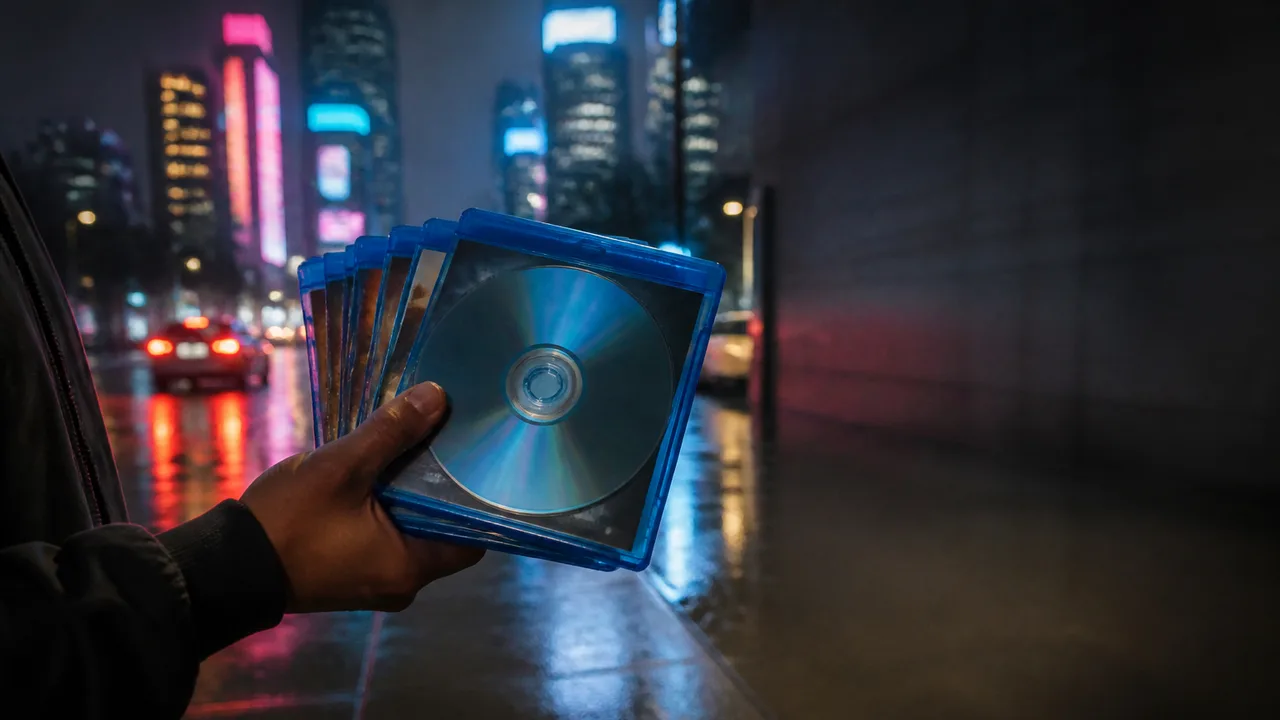
Best Buy is selling Blu-ray discs online and in stores again, two years after exiting the business. For anyone who watched the disc aisle shrink while streaming apps multiplied, the reversal is easy to spot. It’s harder to interpret.
A retailer can bring back a product without betting the store on it. Blu-rays may occupy a small patch of shelf space, serve a devoted group of buyers, or expand if demand holds. Best Buy’s initial 4K Blu-ray selection is small and slowly expanding. Best Buy’s move establishes that discs still have a place in its sales mix. It doesn’t tell shoppers how broad that place will be. The practical questions are which titles stores will carry, how consistently they’ll stock them, and whether the selection lasts beyond the initial return.
Those questions matter because a missing disc aisle was never a clean measure of what viewers wanted. It also reflected what retailers chose to stock and what was easier to sell online. Now Best Buy is making a different choice, at a moment when a movie can feel permanent in your life and surprisingly temporary in your app.
What a Disc Gives You
Streaming is very good at removing friction. Pick a title, press play, and let a service handle the storage. For many households, that convenience wins. A subscription can put more films and shows within reach than most people could buy individually, and nobody has to make room for another box on the shelf.
The trade-off shows up when access depends on someone else’s catalog. A subscription gives viewers entry to titles a service offers under its current arrangements. That lineup can change. An online movie purchase may offer longer-lasting access, but it still usually lives inside a company’s account and playback system. A disc puts a copy in the buyer’s hands. If the movie leaves a subscription service, the copy on the shelf stays put.
That advantage has conditions, too. A disc needs a compatible player, and scratches or failed equipment can interrupt movie night. Buying one also costs money up front, while streaming spreads the cost across a library. For someone who watches a film once and moves on, permanent ownership may solve a problem they don’t have. For someone who returns to the same title every year, dependable access has a clearer value.
The word “ownership” gets thrown around as if every way of paying for a movie produces the same result. It doesn’t. A subscription, an account-based digital purchase and a physical disc place different things under the viewer’s control; Apple’s terms govern access to content purchased through its service. Best Buy’s return gives shoppers another option in that lineup; it doesn’t make the other options disappear.
Picture Quality Has an Asterisk
Blu-ray also has a case that’s easier to see, and hear, on the right setup. Discs can retain higher-quality video and audio than some online streams. Streaming quality varies with the service, the connection and the version of a title on offer. A disc’s presentation is fixed once it’s made, so playback doesn’t have to adjust to a slow evening on the home network.
But “Blu-ray” covers more than one experience. Standard Blu-ray and 4K Ultra HD Blu-ray are different formats, and getting the benefit of a 4K disc requires compatible equipment. The disc itself isn’t a magic picture-improvement button, either. The source, the transfer, the display and the sound system all shape what a viewer actually notices. Someone watching on a modest screen may prefer the ease of pressing play in an app. Someone who has built a home setup around a favorite film may make a different call.
Christopher Nolan’s The Odyssey has entered the conversation about whether a major film can help drive 4K Blu-ray sales in stores. A recognizable title could give shoppers a reason to look at the format again. It’s a sharper test of lasting demand if they also come back for older films, smaller releases and the movies they can’t count on finding in a subscription library.
Why Retailers Might Reconsider
A shelf is a decision about space. Every row of discs competes with other products a store could put there, and an unsold copy ties up inventory. Online listings give a retailer more flexibility: customers can search for a title without every branch keeping it on hand. That’s why the distinction between “online and in stores” is useful, even though those channels can serve very different buying habits.
A small in-store selection could work for shoppers who want to pick up a prominent release. A deeper selection would help people browsing for something less obvious, or hoping to find a particular edition. Those are different retail propositions. The first treats discs as an occasional purchase worth displaying; the second asks customers to think of Best Buy as a place to build a collection.
Some viewers value repeat access, presentation or having a copy they control enough to buy one. Best Buy already sells technology people use to watch movies, so discs fit into the same shopping trip. Streaming remains convenient, and shelf space must justify its use. A retailer can serve committed disc buyers without expecting the average subscriber to start collecting boxes.
Collectors have another reason to pay attention to the shape of the return. A handful of big titles may be easy to find through several sellers. The harder search is often for a particular release, format or edition. Stocking choices determine whether a physical-media aisle helps with that search or merely reminds shoppers that discs exist.
The App Library and the Shelf
The choice between streaming and discs rarely happens all at once. A viewer might stream new films, buy a few favorites, and keep a disc for a title that’s hard to find elsewhere. Another might have no interest in a player at all. Treating either person as the future of every household misses how people actually use a menu of options.
That menu is shaped by decisions viewers don’t make. Services choose what appears in their libraries. Retailers choose what earns shelf space. Studios decide which editions to release. When a disc aisle disappears, one route to ownership becomes less visible, even for shoppers who would have used it. When it returns, buying a copy becomes easier to consider again.
Best Buy’s 2024 exit made the disc’s future look narrower. Its return opens that route back up, at least for some titles and shoppers. The next time someone goes looking for a movie they want to keep, the useful question won’t be whether Blu-ray has beaten streaming. It’ll be whether they can actually find the disc.
More Like This
This Creator Got Shadowbanned on YouTube in 25 Days—On Purpose
A vidIQ creator deliberately shadowbanned their channel with AI-generated content to expose how YouTube's algorithm actually works. The results are wild.
Flock Cameras Track Far More Than License Plates
Flock Safety's AI-powered cameras are spreading fast across U.S. cities—and they're capturing far more than license plates. Here's what's at stake.

Renewables Hit 30% of US Electricity in Early 2026
EIA data shows renewables reached 30% of US electricity in early 2026, up from 27.8% a year ago. Here's what that number actually means—and what it doesn't.
Apple's Reference Image Builds a Photo Evidence Chain
Apple's Reference Image proposal could preserve photo provenance through edits and platforms, but its value depends on adoption and careful trust rules.
Barnes & Noble's Comeback, Built One Store at a Time
CEO James Daunt is rebuilding Barnes & Noble by ditching the big-box playbook. Here's what the chain's unlikely revival tells us about retail, books, and who profits.
Many 4K Blu-rays Are Upscaled From 2K Sources
Many 4K Blu-rays are upscaled from 2K digital intermediates, not true native 4K. Here's what that means for your money and whether UHD discs are still worth buying.
Chinese Bots Targeted AI Data Centers. Real People Did Too.
X found 200 Chinese bot accounts targeting AI data center debates. OpenAI and Republicans ran with it. Wired and others say the outrage was already real.
UK's Phantom Data Centers Are Straining the Power Grid
Speculative 'phantom' data centers are clogging the UK's grid connection queue. Ofgem is pushing back—but the fix isn't simple when AI ambition is this loud.