BuzzRAG Travel Desk — 2026-09-07

Curated by AI. Mariel Fontaine, Travel Desk Editor
Travel news today moves between geopolitics and the practical mechanics of getting around: a major proposed weapons sale, the bureaucracy of driving in Brussels, and the slower pleasures of Finland’s lake district. Aviation’s less visible infrastructure also comes into view, with a look at how crews sleep and recover aboard a very large passenger aircraft.
A $5 Billion Weapons Proposal Puts Saudi Aviation Diplomacy Back in Focus
The United States has cleared a potential Foreign Military Sales package for Saudi Arabia covering 10,000 extended-range guidance kits for air-launched munitions, according to the supplied report. Valued at about $5 billion, the proposal would represent another substantial defense transaction between Washington and Riyadh after a separate recent approval involving air-launched weapons.
For travelers, the significance is less about airline schedules than the regional context in which civil aviation operates. Saudi Arabia is investing heavily in tourism, airports and international connectivity while remaining a central security actor in the Gulf and wider Middle East. Arms approvals can therefore influence diplomatic relationships, defense planning and perceptions of regional stability, even when they do not immediately change a visitor’s itinerary. The deal still requires the next stages of the US Foreign Military Sales process, and its eventual implementation, political reception and relationship to broader regional tensions will be worth watching.
The Brussels Driving Test Is Also a Lesson in Urban Mobility
Getting a driving licence in Brussels involves more than learning road rules. The practical guide highlighted here presents the process from the perspective of a city where driving can feel stressful, cycling is prominent, and a car remains part of working life for some residents through employer-provided vehicles.
That tension reflects Brussels’s broader transport reality. The Belgian capital is a dense, multilingual city shaped by commuting, European institutions, narrow or congested streets and competing claims on limited road space. A licence may offer flexibility for trips beyond the city, but it does not eliminate the costs of parking, traffic or navigating unfamiliar priorities between cars, bikes and pedestrians. Anyone preparing to drive should verify current requirements with official Belgian or regional authorities, since language options, theory and practical-test procedures, medical paperwork and administrative rules can change. The useful question is not simply how to pass, but whether owning or regularly using a car fits the journeys a visitor or new resident actually needs to make.
Finland’s Lake District Makes a Case for the Unhurried Road Trip
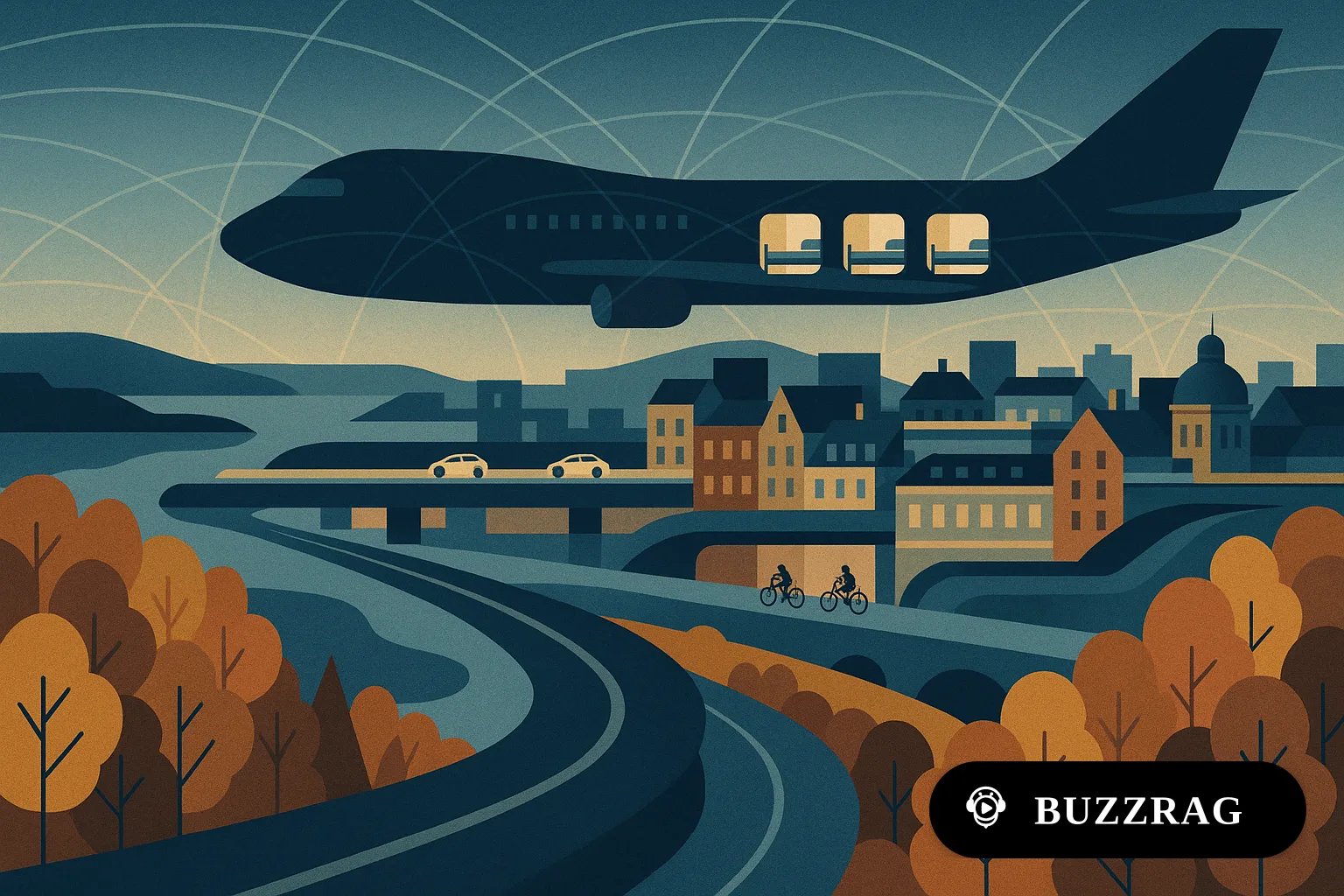
An early-autumn drive through Finland’s Lake Saimaa region offers a quieter version of the road-trip story: blue skies, lakeside cabins, saunas and local food, with the expected autumn colours arriving less reliably than the itinerary promised. The account’s detail about stubbornly green trees is a useful corrective to perfectly timed seasonal travel imagery.
Lake Saimaa is one of Europe’s major inland lake landscapes, and its appeal depends as much on space and rhythm as on a checklist of viewpoints. Self-driving makes it possible to connect small towns, waterside accommodation and outdoor stops, but distances, weather and limited services in rural areas require planning. The region is also habitat for the endangered Saimaa ringed seal, so responsible travel means following local guidance around waterways and avoiding pressure on sensitive shoreline environments. For an autumn visit, flexible expectations may be more valuable than chasing a precise colour peak: Finland’s shoulder season can deliver light, quiet roads and changing weather even when the foliage refuses to perform on schedule.
The common thread is infrastructure: the systems that move people, support workers, shape regional security and determine whether a journey feels manageable. In the days ahead, the most useful travel stories will likely remain those that look beyond the destination image to the rules, risks and resources that make travel possible.